John Deere Gator Engine Torque Specifications for Maintenance and Repairs
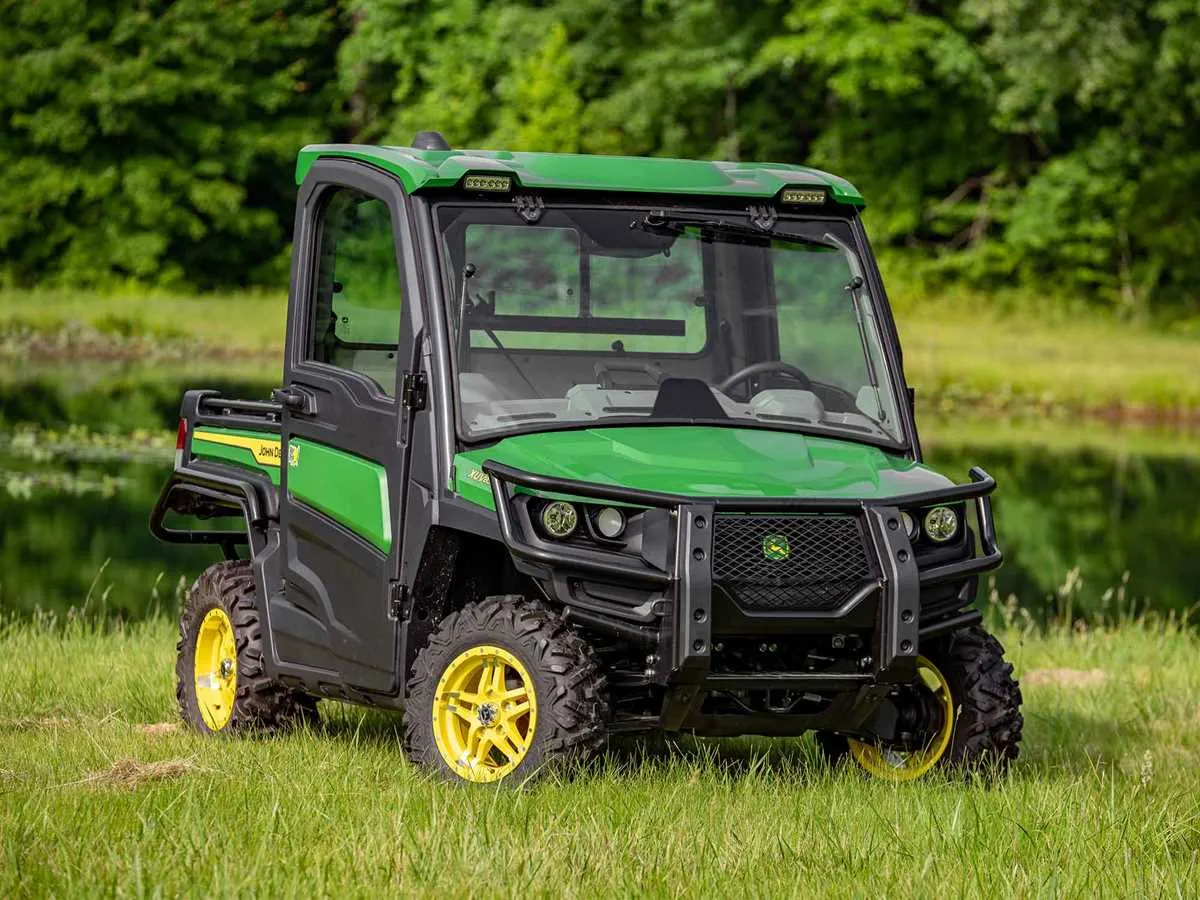
The torque specifications for the engine in a John Deere Gator are vital for ensuring optimal performance and longevity of the vehicle. Accurate torque settings ensure that engine components are properly tightened, preventing potential damage or premature wear. For most John Deere Gator models, you’ll find that the torque values for key engine bolts like the cylinder head, crankshaft, and connecting rods vary depending on the engine type and model year.
For instance, the cylinder head bolts on the 4×2 and 6×4 models require a torque of 30-35 ft-lbs, while the connecting rod bolts typically require 18-22 ft-lbs. These numbers are critical to follow precisely to avoid misalignment or leakage issues in the engine.
In addition, the crankshaft bolt torque setting is usually set around 55-65 ft-lbs, depending on the specific Gator model and engine configuration. It’s always recommended to refer to the exact manual for your model to ensure these values align with your engine type. Proper torque application can help prevent stripped threads, ensure a tighter seal, and keep the engine running smoothly.
John Deere Gator Engine Torque Specs
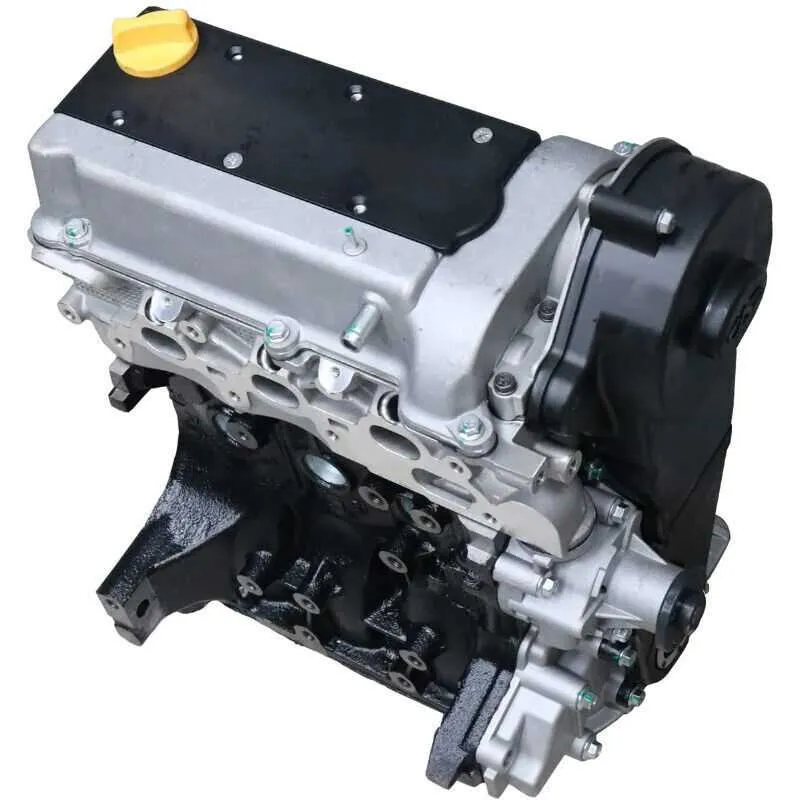
When working on a John Deere Gator engine, it’s vital to apply the correct torque to each component to ensure optimal performance and prevent damage. Below are the recommended torque specifications for key engine parts:
- Head Bolts: Tighten in three stages–first to 30 ft-lbs, then 60 ft-lbs, and finally 90 ft-lbs.
- Connecting Rod Bolts: Torque to 30 ft-lbs.
- Crankshaft Pulley Bolts: Torque to 65 ft-lbs.
- Flywheel Bolts: Apply 65 ft-lbs of torque.
- Oil Pan Bolts: Torque to 12 ft-lbs, using a crisscross pattern.
- Timing Cover Bolts: Tighten to 89 in-lbs.
- Valve Cover Bolts: 89 in-lbs is the recommended torque for valve cover fasteners.
- Intake Manifold Bolts: Use 18 ft-lbs for the intake manifold bolts.
- Exhaust Manifold Bolts: Tighten to 25 ft-lbs.
Always consult the specific model’s manual for exact torque values, as they can vary between different Gator models. Use a torque wrench to ensure accuracy and avoid over-tightening, which can lead to part damage or gasket failure.
For best results, follow the proper tightening sequence and recheck all bolts after running the engine to ensure they remain secure.
How to Find the Correct Torque Settings for Your John Deere Gator Engine
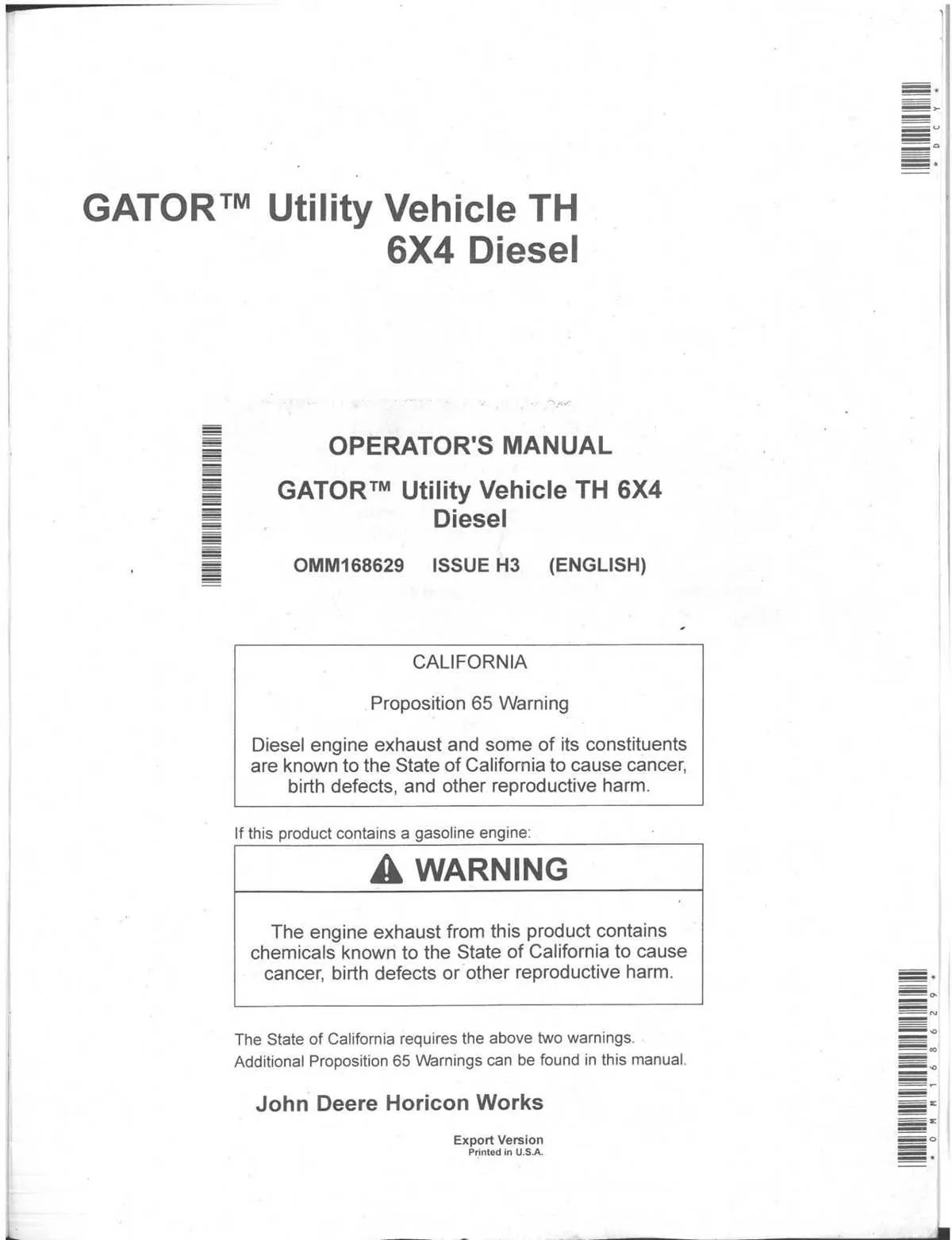
Check your John Deere Gator’s service manual for the exact torque specs for the engine components. The manufacturer’s specifications are tailored to ensure optimal performance and prevent damage. Each model may have different settings based on the engine size and type.
For critical engine parts like the cylinder head bolts and connecting rod bolts, use a calibrated torque wrench to achieve the correct settings. Torque these bolts in sequence as indicated in the service manual to avoid uneven pressure.
For smaller bolts, like those securing covers or brackets, make sure to follow the specified torque values closely. Over-tightening can warp components, while under-tightening might lead to leaks or instability.
When working on your engine, always apply the correct torque in multiple stages if the manual specifies. Tighten bolts progressively to reduce stress and ensure even pressure distribution.
If you’ve lost the service manual, check online for the specific torque specifications for your model, or contact a certified John Deere dealer for guidance.
Common Engine Parts and Their Specific Torque Requirements
Cylinder Head Bolts: The torque specification for cylinder head bolts typically ranges from 40 to 60 ft-lbs. It is crucial to tighten them in a criss-cross pattern to ensure even pressure across the gasket. Double-check the torque sequence according to the specific model’s service manual.
Connecting Rod Bolts: These should be tightened to 25-35 ft-lbs. Use a torque wrench to achieve precise tension. Over-tightening can lead to thread stretching or damage, while under-tightening can cause the rod to loosen over time.
Crankshaft Pulley Bolts: These bolts should be torqued to around 50-75 ft-lbs. Be mindful of the manufacturer’s guidelines to avoid over-tightening, which could lead to crankshaft damage.
Oil Pan Bolts: Tighten oil pan bolts to 12-18 ft-lbs. Applying too much torque can cause the oil pan to warp, leading to leaks.
Flywheel Bolts: Torque these to about 70-90 ft-lbs. Flywheel bolts are critical for smooth engine operation, and ensuring they are properly tightened prevents damage to the crankshaft and clutch components.
Valve Cover Bolts: These should be torqued to 8-12 ft-lbs. Tighten them in a star pattern to distribute pressure evenly, preventing leaks or gasket deformation.
Timing Chain Tensioner Bolts: Timing chain tensioners require 20-30 ft-lbs of torque. Correct tension ensures proper timing and prevents premature wear on the timing chain.
Water Pump Bolts: Water pump bolts should be torqued to 15-25 ft-lbs. Too much force can lead to cracking or gasket failure.
Exhaust Manifold Bolts: Tighten these to 25-35 ft-lbs. A consistent torque value ensures a good seal and minimizes the risk of leaks or exhaust system failure.
Steps to Properly Apply Torque to the John Deere Gator Engine Components
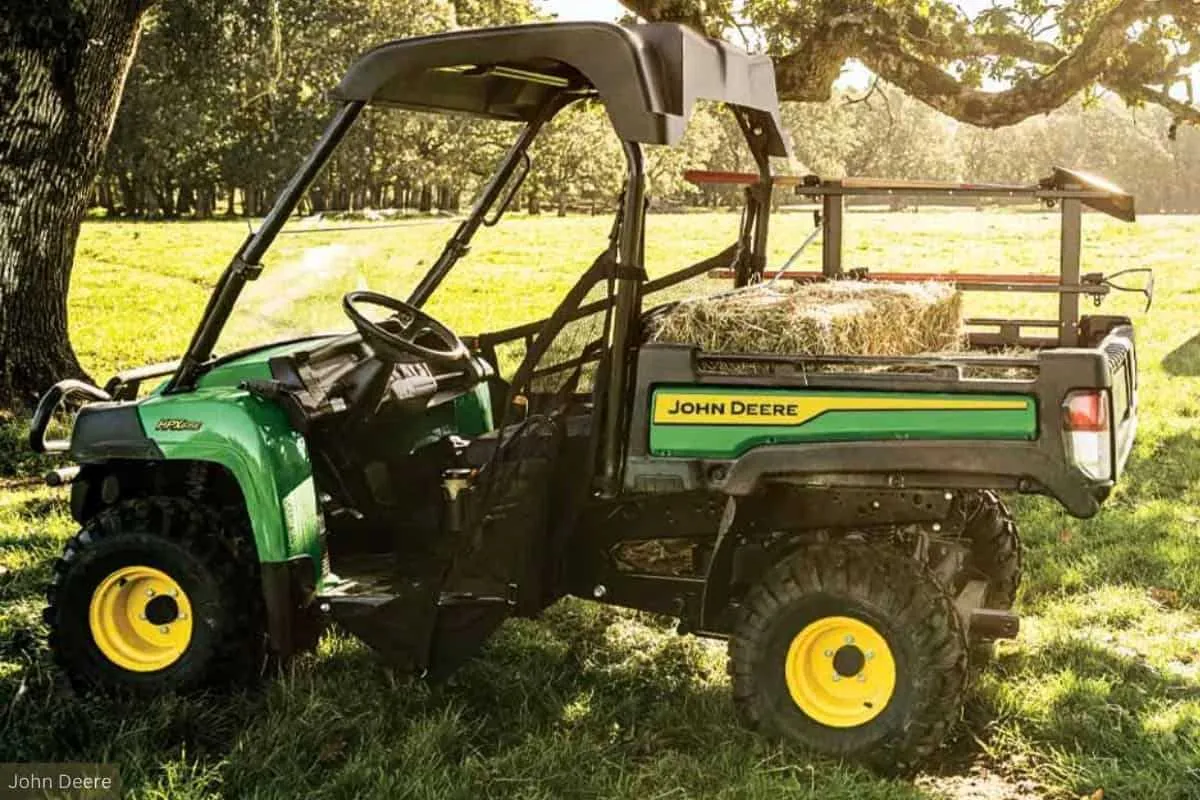
Apply the manufacturer’s recommended torque specifications using a calibrated torque wrench. For engine components like cylinder head bolts, start by tightening bolts in the correct sequence. Typically, a criss-cross pattern works best to distribute the pressure evenly. This reduces the risk of warping the surface or damaging the bolts.
Begin with hand-tightening all the bolts, ensuring they are snug but not over-tightened. Then, use your torque wrench to gradually tighten them in multiple stages. For instance, if the cylinder head bolts are rated at 40 ft-lbs, start with 20 ft-lbs, then proceed to 30, and finally, tighten them to 40 ft-lbs in the recommended order. This multi-step process helps prevent uneven pressure buildup.
Always follow the torque sequence and the exact torque values listed in the service manual for each part. Don’t substitute with estimates; using the exact figures ensures you maintain proper engine performance and prevent unnecessary wear.
If reusing bolts, inspect them for any wear or corrosion. Damaged bolts should be replaced. Apply torque slowly and steadily, avoiding jerky movements, which can cause over-tightening or inaccurate readings. A slow, consistent pull ensures you hit the target torque without risk of damage.
Keep the torque wrench calibrated and check its accuracy regularly to ensure it’s working properly. After applying torque, recheck each bolt after running the engine for a short period. Heat cycles can sometimes cause slight adjustments in bolt tension.