John Deere 345 Specifications and Key Features Overview
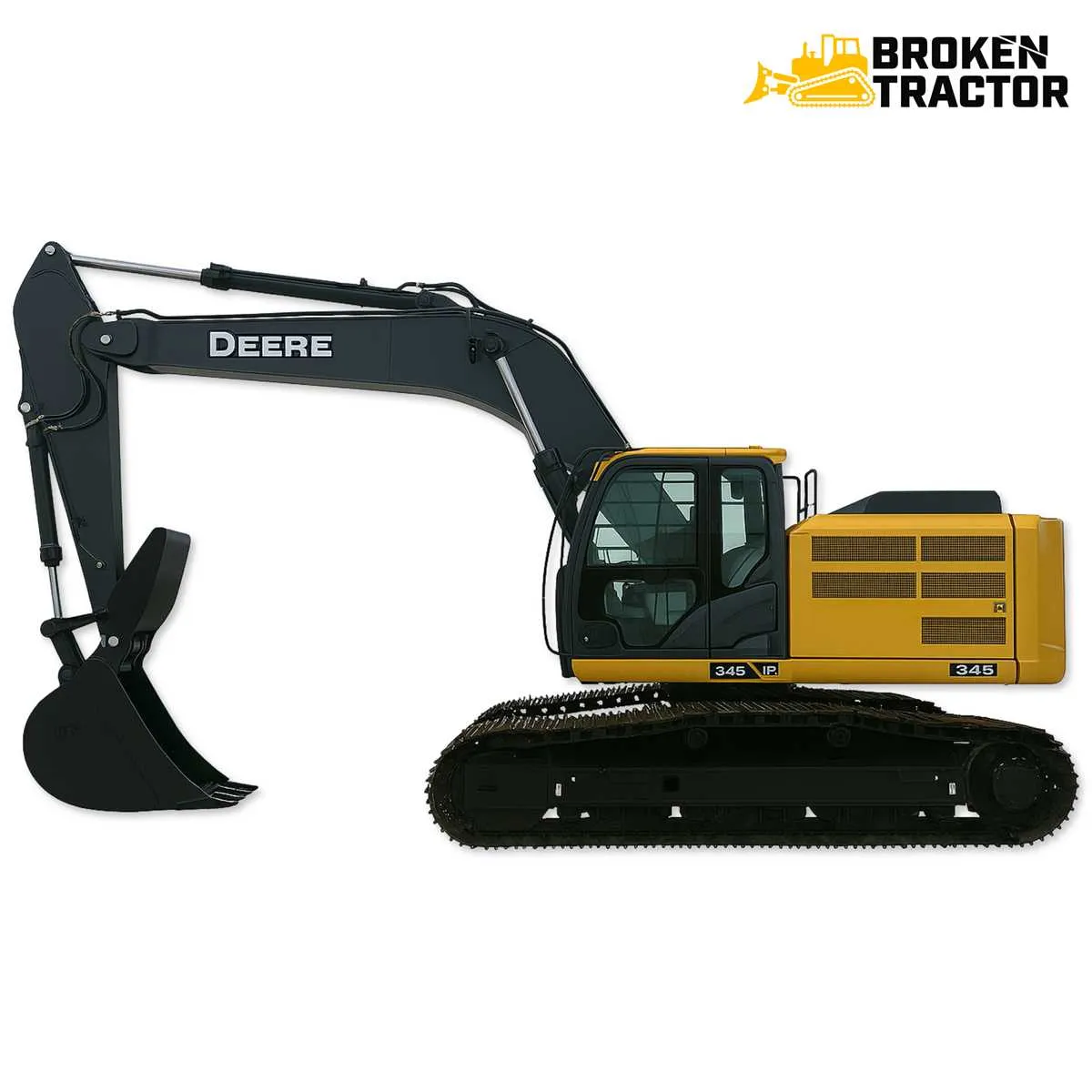
The John Deere 345 offers reliable performance for both residential and light commercial use, featuring a powerful engine and durable construction. With a 20-horsepower engine, it provides a solid base for various lawn care tasks. The hydrostatic transmission ensures smooth operation, reducing the need for manual gear shifting and making it easier to control speed while mowing.
The machine includes a 48-inch mower deck, which offers an excellent cutting width, perfect for medium to large lawns. It delivers a clean and precise cut, thanks to its efficient blade design. Regular maintenance of the mower deck and engine will prolong its lifespan and maintain optimal performance.
Key specifications, such as the fuel tank capacity of 4.4 gallons, enable extended operation without frequent refueling. This feature is particularly beneficial for larger properties. The John Deere 345’s tight turning radius makes maneuvering around obstacles more efficient, enhancing overall usability. With its robust features, this model stands as a solid option for homeowners seeking a reliable lawn tractor.
John Deere 345 Specs
The John Deere 345 features a 20-horsepower Kawasaki V-twin engine. This engine offers a balance of power and fuel efficiency, making it suitable for both residential and light commercial tasks. The model is equipped with a hydrostatic transmission, providing smooth and precise control while operating the machine.
With a 48-inch deck width, the mower is designed to handle medium-sized lawns. The deck is made of durable steel, which ensures long-lasting performance under various conditions. The cutting height can be easily adjusted with the help of a lever, offering flexibility for different grass types and cutting preferences.
The 345 model includes a comfortable, ergonomically designed seat that reduces operator fatigue during long hours of use. The unit’s ease of maneuverability is enhanced by large wheels, which support better traction on uneven surfaces.
For improved durability and handling, the John Deere 345 is equipped with a heavy-duty frame and components. The mower is built to handle a variety of conditions, from flat to slightly sloped terrains. Regular maintenance of the engine and deck ensures optimal performance and extends the lifespan of the mower.
The John Deere 345 is designed with user-friendly features, such as a simple starting system and an intuitive control layout, making it easy for operators to get to work right away.
Engine Specifications and Performance Overview
The John Deere 345 is powered by a robust 20-horsepower twin-cylinder engine. This engine offers an efficient balance of power and fuel economy, making it ideal for homeowners seeking both performance and reliability. It features an air-cooled design, ensuring optimal temperature regulation during operation.
The engine’s displacement of 533 cc ensures it has enough power to handle a variety of tasks, from mowing to light towing. With a maximum torque output of 34.3 Nm, it delivers consistent and steady performance even under heavy loads. Additionally, its electronic ignition system ensures easy starts and minimal maintenance.
| Specification | Details |
|---|---|
| Engine Type | V-twin, air-cooled |
| Horsepower | 20 HP |
| Displacement | 533 cc |
| Maximum Torque | 34.3 Nm |
| Ignition System | Electronic |
Performance-wise, the John Deere 345 provides smooth acceleration and consistent power throughout the task. The engine is paired with a hydrostatic transmission, allowing for easy speed adjustments without the need for manual gear shifting. This setup ensures a smooth ride and excellent maneuverability, even in tight spaces.
For optimal longevity, routine maintenance such as oil changes, air filter replacements, and spark plug inspections should be performed. Regular maintenance ensures the engine operates at peak performance and extends its lifespan.
Hydraulic System Capacity and Maintenance Guidelines

Ensure the hydraulic system operates smoothly by maintaining the correct fluid levels and performing regular checks. The John Deere 345’s hydraulic system has a fluid capacity of 5.5 liters. Keep the fluid at the recommended level to avoid overheating and ensure proper functionality of the hydraulic components.
Check the hydraulic oil filter every 100 hours of operation and replace it as needed. Clogged filters can reduce the efficiency of the hydraulic system and cause damage over time.
- Use only the recommended hydraulic oil. For the John Deere 345, the manufacturer suggests J20C low-viscosity fluid for optimal performance.
- Inspect the hydraulic lines and hoses for any signs of wear or leaks. Damaged hoses can lead to a loss of fluid pressure, compromising the system’s performance.
- Flush the hydraulic system every 1,000 hours or at least once a year to remove contaminants that could degrade the fluid and affect system operation.
- Verify that all connections are secure to prevent hydraulic fluid leaks. Tighten fittings when necessary to maintain proper pressure.
When performing maintenance, avoid using fluids that do not meet the specifications outlined in the owner’s manual. Non-recommended fluids can cause the seals and components to deteriorate faster, reducing the system’s lifespan.
Regularly check for any unusual noises or slow responses from hydraulic components, as these may signal a need for attention. Addressing these issues early will prevent costly repairs and downtime.
Transmission and Drive System Features
The John Deere 345 features a hydrostatic transmission that provides smooth and efficient power delivery. This system eliminates the need for manual gear shifting, allowing operators to easily adjust speed and direction using a single pedal. It ensures a consistent and reliable driving experience, particularly in varying terrains.
The drive system integrates a durable drive axle designed for maximum stability and traction. The 345 uses a high-torque, high-efficiency hydraulic drive, which enhances performance while reducing maintenance requirements. The drive components are housed in a sealed system, preventing dirt and debris from interfering with operation.
The transmission is equipped with a variable-speed feature, allowing for quick adjustments between forward and reverse. This is ideal for maneuvering in tight spaces or when additional power is needed for tasks like towing or lifting. The hydrostatic system offers infinite speed control, ensuring optimal efficiency for every operation.
For regular maintenance, it is crucial to check the hydraulic fluid levels and ensure proper lubrication of the transmission components. This prevents overheating and ensures that the system runs smoothly, extending the lifespan of critical parts.