John Deere 1020 Tune Up Specifications and Maintenance Guidelines
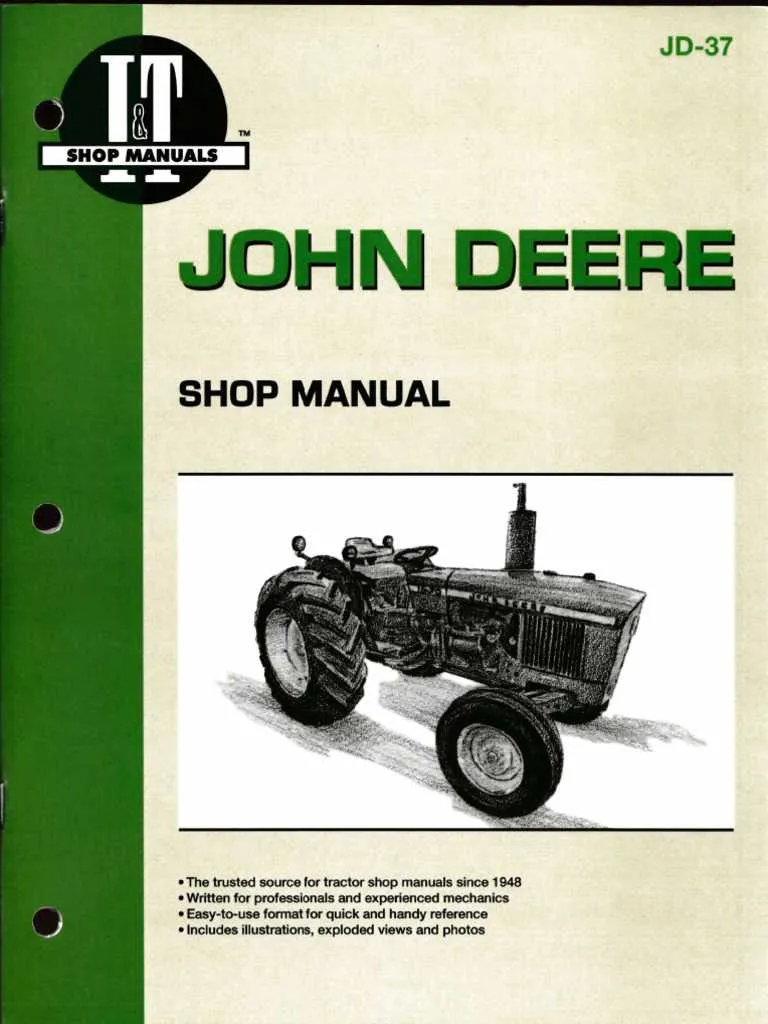
For a successful tune-up of your John Deere 1020, focus on the key components that ensure long-lasting performance. Start by checking and replacing the spark plugs, which should be gapped to 0.025 inches. This small adjustment can make a significant difference in engine efficiency.
Next, inspect the air filter and replace it if it appears dirty or damaged. A clean air filter keeps the engine running smoothly by ensuring proper airflow. It’s also essential to replace the fuel filter, as it prevents dirt and debris from clogging the fuel system.
When dealing with the oil change, ensure to use 10W-30 oil, and change it every 100 hours of operation. Don’t forget to also replace the oil filter for optimal engine protection. Adjust the valve clearance to 0.015 inches for proper engine operation. This simple step can prevent valve damage and improve the overall performance of your tractor.
Lastly, check the cooling system and ensure that the radiator is free of debris and filled with the correct coolant mixture. Maintaining the right coolant level and temperature prevents overheating, especially during long hours of operation.
John Deere 1020 Tune Up Specs
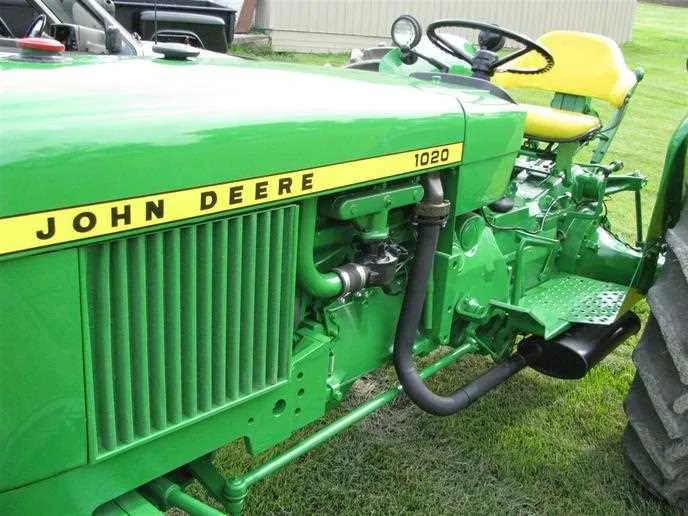
For optimal performance of the John Deere 1020, follow these maintenance specifications closely:
Engine Oil: Use SAE 30 oil for standard temperatures or SAE 10W-30 in colder climates. Change the oil every 100 hours of operation or at least once a year. The engine oil capacity is 4.5 quarts (4.3 liters). Be sure to replace the oil filter during each oil change.
Air Filter: Inspect the air filter every 100 hours of operation. Clean or replace it depending on condition. A clogged air filter reduces engine efficiency, so replace it regularly to maintain proper air intake and engine performance.
Fuel System: Clean the fuel system every 500 hours. Replace the fuel filter and check fuel lines for cracks or leaks. Ensure that fuel is fresh and free of impurities to avoid engine misfires.
Spark Plugs: Replace the spark plugs every 500 hours of operation. Use Champion D21 or equivalent plugs with a gap set to 0.025 inches (0.64 mm). Inspect for wear or carbon buildup and clean or replace as needed.
Cooling System: Flush the radiator every 500 hours and refill with a 50/50 mix of antifreeze and water. Keep an eye on the coolant level and check for any leaks to prevent overheating.
Battery Maintenance: Clean battery terminals and cables regularly to prevent corrosion. Keep the battery charged and inspect for any signs of wear or leakage. Replace the battery if it no longer holds a charge.
Belts and Hoses: Inspect belts for wear or cracks every 100 hours. Replace any worn belts to avoid breakdowns. Check hoses for leaks or signs of wear and replace as necessary.
Tires: Check tire pressure regularly. The recommended tire pressure for the front tires is 22 psi, and for the rear tires, it is 24 psi. Proper tire inflation ensures better traction and fuel efficiency.
Transmission Oil: The transmission takes 10.5 quarts (9.9 liters) of fluid. Use John Deere Hy-Gard oil or an equivalent. Change the transmission fluid every 1,000 hours of operation.
Keep this maintenance schedule in mind to ensure that your John Deere 1020 runs smoothly and reliably season after season.
Adjusting the Fuel System for Optimal Performance
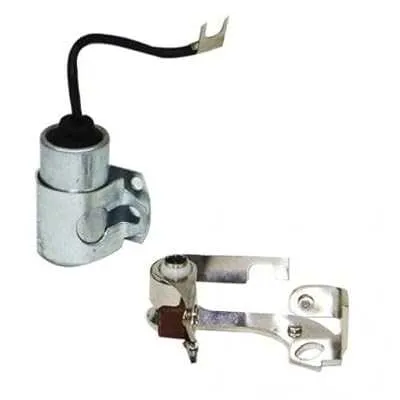
Check the fuel filters and replace them if necessary. Clogged filters restrict fuel flow, reducing engine efficiency. For the John Deere 1020, ensure the fuel filter is clear and free of debris to maintain proper fuel flow.
Inspect the fuel lines for cracks or leaks. Leaking lines lead to fuel loss and can create safety hazards. Replace any damaged fuel lines to prevent fuel wastage and ensure steady fuel delivery to the engine.
Adjust the fuel injection pump timing. Improper timing can lead to poor fuel combustion and reduced engine power. Follow the manufacturer’s manual to check and set the injection pump to the correct timing for optimal performance.
Check the fuel injectors for clogs or wear. Dirty or worn injectors cause uneven fuel distribution, impacting engine smoothness and power. Clean or replace the injectors if necessary to restore proper spray patterns.
Examine the fuel tank for rust or contaminants. Rust and debris in the fuel tank can clog filters and injectors, affecting the fuel system’s performance. Clean the tank regularly to prevent these issues.
Ensure the air-to-fuel ratio is balanced. An incorrect ratio can lead to inefficient fuel combustion and engine misfires. Adjust the carburetor or fuel injectors to maintain the right balance for the best engine performance.
Timing and Valve Adjustments for Smooth Engine Operation
Set the engine timing properly to ensure smooth running and optimal power output. For the John Deere 1020, check the timing marks on the flywheel and the pointer on the engine block. Align the marks according to the specifications in the owner’s manual to achieve accurate ignition timing. This will prevent misfires and improve engine efficiency.
For valve adjustments, start by ensuring the engine is at top dead center (TDC) on the compression stroke. Use a feeler gauge to check the valve clearance. For the John Deere 1020, the intake valve clearance should be 0.012 inches, and the exhaust valve clearance should be 0.018 inches. Adjust the tappet screws accordingly for precise valve operation.
Make sure to recheck the timing and valve clearances after any major adjustments or repairs. A poorly adjusted valve or incorrect timing can cause engine knocking, poor fuel economy, or hard starting. Regularly inspect the engine’s performance to catch any changes early, ensuring the engine remains in peak condition.
Recommended Oil and Filter Change Intervals
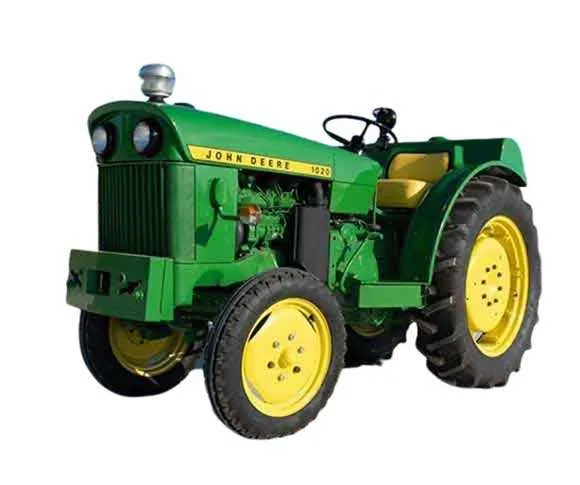
For optimal performance, change the oil and filter in your John Deere 1020 tractor every 100 hours of operation or at least once a year, whichever comes first. Regular maintenance prevents engine wear and ensures smooth operation.
When using the tractor under heavy load or in extreme conditions (such as dusty environments or hot weather), consider changing the oil more frequently–every 50 to 75 hours. This helps maintain the engine’s efficiency and longevity.
Always use the recommended oil type: 15W-40 or 10W-30 depending on the operating climate. Refer to the owner’s manual for the exact oil capacity and filter specifications. Using the proper filter ensures that contaminants are removed effectively, protecting the engine from premature wear.
- Oil Change Interval: 100 hours or annually
- Oil Type: 15W-40 or 10W-30
- Filter Change: With every oil change
By sticking to these intervals, you’ll help your John Deere 1020 run smoothly and extend its working life.