Comparison of John Deere D140 and E140 Specifications
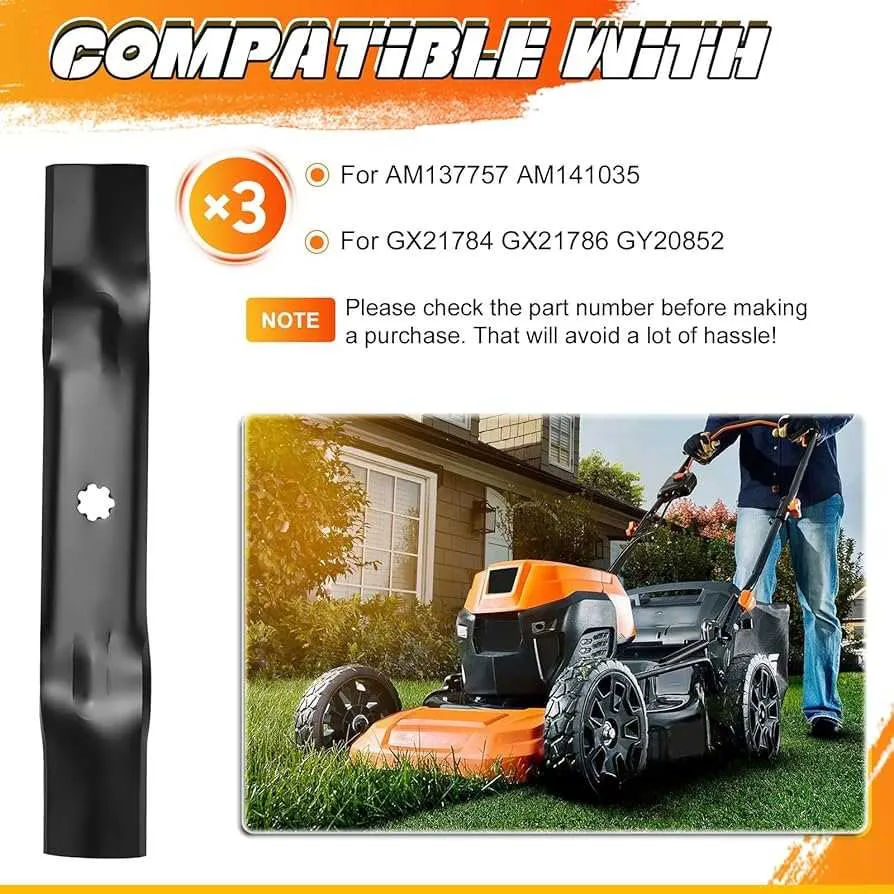
Both the John Deere D140 and John Deere E140 are solid choices for homeowners looking for reliable lawn mowers. The D140 offers a 22-horsepower engine and a 48-inch deck, making it well-suited for medium to large lawns. The E140, with a slightly upgraded engine of 24 horsepower and a similar 48-inch deck, provides more power for slightly tougher mowing tasks.
When comparing the two, it’s important to consider the differences in their engines. The E140 comes with a more powerful V-Twin engine, ensuring smoother performance and greater torque. The D140, while still strong, features a single-cylinder engine, which may be less efficient for larger areas or rougher terrain.
Another key distinction is the electronic fuel management system in the E140, which ensures better fuel efficiency and ease of maintenance compared to the D140. If fuel economy and long-term durability are priorities, the E140 could be the better option.
Overall, the choice between these models will depend on your specific lawn care needs. The D140 provides excellent value for typical residential use, while the E140 is ideal for those requiring more power and efficiency for larger or more challenging yards.
John Deere D140 vs E140 Specs
The John Deere D140 and E140 share similarities but also key differences in their specifications. Both models are designed for residential use, offering excellent performance for lawn care. Below are the main specs to consider when comparing them:
Engine Power
- D140: Powered by a 22 HP Briggs & Stratton engine, providing sufficient power for mid-sized yards.
- E140: Equipped with a 24 HP Kohler engine, offering slightly more power for larger lawns and heavier tasks.
Transmission
- D140: Features a single-speed transmission, ideal for relatively flat terrains and simpler mowing tasks.
- E140: Has a more versatile hydrostatic transmission, allowing for smoother speed adjustments and better control on varying terrains.
Cutting Deck
- D140: 48-inch Edge cutting deck with two blades, designed for efficient grass cutting and easy maintenance.
- E140: A 48-inch deck with more advanced features for a cleaner cut and improved grass discharge, especially in damp conditions.
Comfort Features
- D140: Basic seat with limited adjustability, providing comfort for short to moderate periods of use.
- E140: Enhanced seat with better padding and adjustable options, suited for longer mowing sessions.
Price
- D140: More budget-friendly, making it a good option for those looking for a reliable, no-frills mower.
- E140: Slightly higher in price due to upgraded features and additional engine power.
In conclusion, the John Deere D140 is an excellent choice for homeowners with medium-sized lawns looking for basic features and reliable performance. The E140, however, provides more power, comfort, and a better transmission system, making it ideal for larger properties or those who require more versatility.
Comparison of Engine Power and Performance
The John Deere D140 and E140 both feature impressive engine designs, but they differ in power output. The D140 is equipped with a 22 HP V-twin engine, delivering reliable and consistent performance for routine lawn care tasks. In comparison, the E140 steps up with a 24 HP V-twin engine, offering increased power for tackling tougher jobs, such as larger lawns or steeper inclines.
For users who prioritize smooth, efficient mowing with enough strength to handle moderate tasks, the D140 is an excellent choice. Its engine provides a balanced combination of performance and fuel economy. However, the E140’s enhanced engine offers more torque, making it a better option for users who need extra power for larger, more demanding areas.
Both models feature hydrostatic transmissions, ensuring ease of operation. However, the added horsepower in the E140 contributes to better handling of uneven terrain, allowing for improved traction and stability on challenging surfaces.
Key Differences in Cutting Deck Features
The cutting decks of the John Deere D140 and E140 are designed with distinct features that influence performance. The D140 features a 48-inch deck with a single blade configuration, making it ideal for smoother and more consistent cuts on smaller lawns. In comparison, the E140 offers a larger 48-inch deck but with a twin-blade system, improving cutting efficiency and grass discharge in thicker or uneven terrain.
While both models have adjustable cutting heights, the D140 provides a six-position lever, allowing for precise control over the grass length. The E140, however, includes a more advanced foot-operated deck lift system, enhancing ease of use and reducing physical strain during adjustments.
The E140’s deck is made from heavier-duty steel, providing better durability and resistance to wear over time, especially in tougher mowing conditions. The D140’s deck, although sturdy, is less robust, making it more suitable for homeowners with regular lawn maintenance needs rather than heavy-duty tasks.
For users looking for a more consistent and powerful mowing experience in varied conditions, the E140’s features provide clear advantages. The added versatility of the twin-blade deck and the stronger materials used in its construction make it a better choice for larger lawns or more challenging mowing scenarios.
Maintenance and Service Considerations for Both Models
For both the John Deere D140 and E140, regular maintenance ensures long-term performance and reliability. The D140 requires oil changes every 50 hours of operation or at least once per year. For the E140, the oil change interval is also every 50 hours or annually, but with slightly different engine configuration, ensure you use the right oil type as per the manual.
Air filters should be checked every 100 hours on both models. Replacing them at the first signs of clogging can prevent engine damage. Both the D140 and E140 use a similar type of filter, but verifying the specific part number for each model is crucial for correct replacement.
The mower deck on both models should be cleaned after each use. Grass buildup can affect the cutting efficiency and lead to potential rusting of the deck. Ensure that the deck is free of debris, and inspect the blades for wear after every 50 hours of mowing.
Battery maintenance is vital for optimal operation. Both models feature 12V batteries, which should be checked for corrosion around terminals regularly. If the battery is not holding charge, a replacement may be necessary. Checking the battery after every 100 hours of use is recommended for both models.
Both the D140 and E140 have similar tire pressure requirements. Maintaining the correct tire pressure ensures a smooth ride and optimal mowing results. Tire pressure should be checked monthly to avoid uneven wear and potential tire damage.
Finally, always refer to the owner’s manual for any specific service intervals and procedures. Regular inspections and proactive servicing can prevent costly repairs and ensure both the D140 and E140 perform at their best season after season.