John Deere 1990 Specifications and Key Features
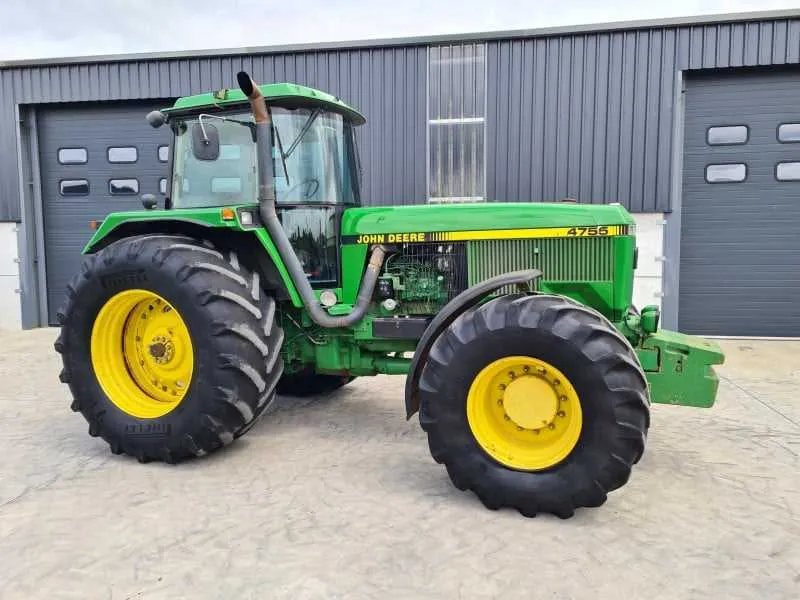
The John Deere 1990 is engineered for maximum precision and durability. It is equipped with a 36-foot working width, making it ideal for large-scale farming operations. The precise row spacing and reliable seeding system ensure uniform seed placement, optimizing crop yield.
Key Features: The 1990 model comes with a fully adjustable hydraulic system that offers excellent control over the seed depth, enabling farmers to adapt quickly to varying soil conditions. Additionally, its durable frame and components are designed for long-term use, minimizing downtime during critical planting seasons.
Performance: Powered by a robust engine, the 1990 delivers consistent performance under heavy load. Its ability to work efficiently in diverse soil types and conditions allows for faster planting and better soil coverage. The machine’s fuel-efficient design ensures reduced operational costs without compromising power.
Maintenance: Routine maintenance is straightforward thanks to easy access to key components. The 1990 model’s modular design simplifies part replacements, reducing service time and costs. Regular maintenance will prolong its lifespan, ensuring reliability through numerous planting seasons.
John Deere 1990 Specs
The John Deere 1990 is a versatile piece of farming equipment designed for efficient planting. It’s equipped with features that optimize seed placement and ensure consistent crop production.
Key specifications include:
- Seed Row Configuration: Available in configurations of 15, 30, and 36 inches, offering flexibility for various crop types.
- Planting Depth: Adjustable from 1.5 to 3.5 inches, allowing precise seed placement based on soil conditions.
- Weight: Approximately 16,000 lbs, providing stability during operation in varying terrain conditions.
- Tank Capacity: 60 bushels, ensuring ample seed storage for larger planting tasks without frequent refilling.
- Row Units: The machine features individual row units, each with a disc opener and closing wheels for uniform seed coverage.
- Transport Width: 12 feet, making it easy to move between fields while maintaining maneuverability on narrow roads.
For precise seed placement and reliable operation, the John Deere 1990’s pneumatic system maintains consistent down pressure, ensuring uniform planting depth across all rows. It also offers hydraulic control for easier adjustments during operation, increasing user comfort and productivity.
The 1990 model is compatible with a range of tractors, including John Deere and other brands, thanks to its flexible hitching system, making it a solid choice for large and small farms alike.
For optimal performance, regularly check and maintain the row units, ensuring proper disc alignment and minimizing downtime during planting seasons.
Seed and Fertilizer Placement System
The John Deere 1990 features a precise seed and fertilizer placement system designed to improve planting accuracy and efficiency. The system ensures uniform seed depth and spacing, optimizing crop emergence.
The seed placement mechanism uses a proven opener design, which cuts through the soil, ensuring seed placement at the correct depth. It offers adjustable depth settings, allowing for customization based on soil conditions and crop type. This system reduces the risk of seeds being placed too deep or too shallow, both of which can negatively impact germination.
The fertilizer placement system operates in tandem with the seed delivery system, ensuring that nutrients are placed directly below or alongside the seed, depending on the configuration. The fertilizer tubes are positioned to minimize seed-to-fertilizer contact, preventing potential seed burn while optimizing nutrient availability for the seedlings.
For improved precision, the system uses an optional variable rate technology (VRT) that adjusts fertilizer application rates based on field variability. This feature ensures more efficient use of fertilizers, reducing waste and enhancing crop yield potential.
The entire system is built for durability and minimal maintenance, with components designed to handle tough soil conditions and heavy-duty use, ensuring long-term reliability throughout the planting season.
Dimensions and Capacity
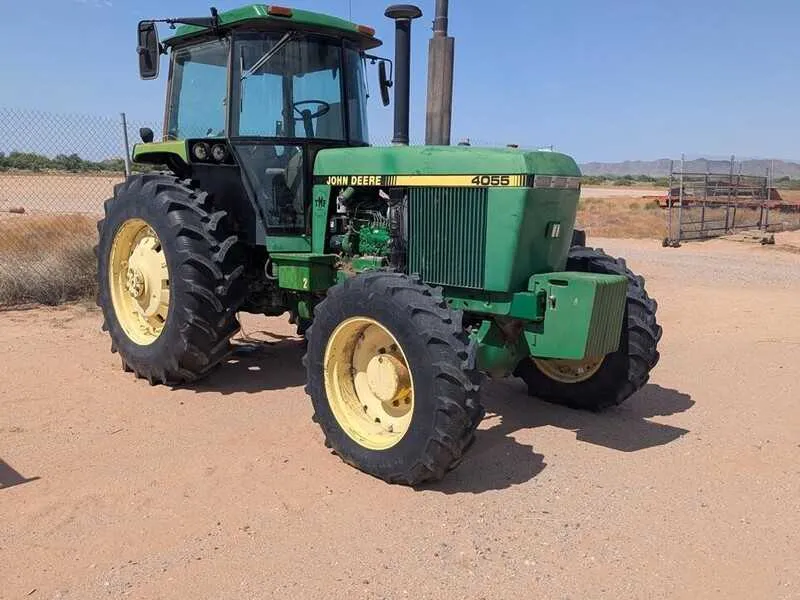
The John Deere 1990 has precise dimensions designed for optimal performance in various field conditions. The working width of the machine ranges from 12.2 to 15.2 meters, depending on the configuration. This allows flexibility when dealing with different plot sizes.
The transport width is 3.05 meters, ensuring ease of movement between fields while adhering to road width limits. The transport height reaches 4.27 meters, enabling efficient transport across uneven terrain.
When it comes to seed and fertilizer capacity, the John Deere 1990 is equipped with a single or double tank system. The standard seed capacity is 3,500 liters per tank, with fertilizer capacity reaching up to 2,000 liters per tank. This ensures long working hours without frequent refills.
With a total weight of 14,000 kg when fully loaded, the 1990 provides stability and efficiency, ensuring precise seed placement even in challenging soil conditions.
Power Requirements and Compatibility
The John Deere 1990 requires a tractor with at least 140 horsepower to operate efficiently. This ensures optimal performance across various field conditions, especially when using the machine for large-scale seeding and planting tasks. The tractor must have a PTO output of 540 or 1000 RPM depending on the model configuration of the 1990.
It’s important to match the 1990’s power needs with the correct PTO type and implement settings to prevent excessive wear on the tractor’s engine and transmission. A hydraulic system with a flow rate of 20-30 GPM (gallons per minute) is also necessary to properly operate the seed and fertilizer systems.
For compatibility, the John Deere 1990 is designed to work seamlessly with John Deere tractors and other machines that meet the specified power output and hydraulic capacity. However, it is advisable to verify specific model compatibility with the manufacturer to avoid mismatches that could lead to performance issues.