John Deere Model 175 Specifications and Key Features
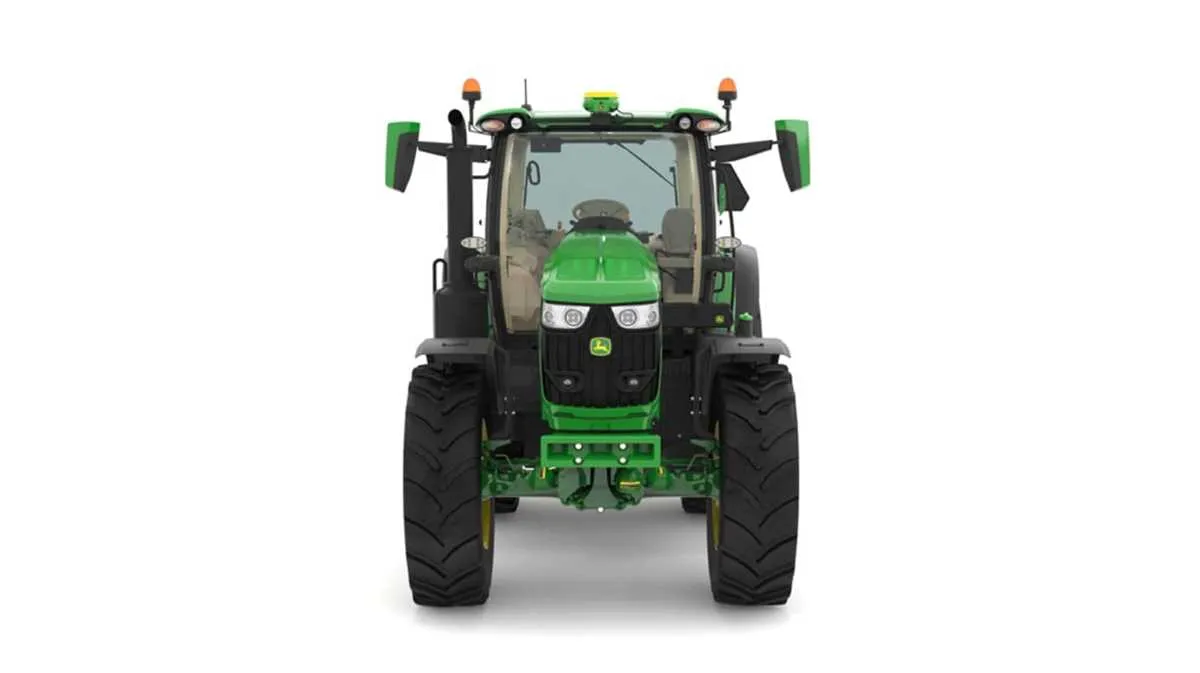
The John Deere Model 175 is a reliable choice for lawn care, offering a solid blend of performance and ease of use. With a 17.5 HP engine, this model provides sufficient power for residential and light commercial applications. It’s equipped with a 42-inch mower deck, ideal for mid-sized lawns, ensuring even cutting and durability.
Maintenance for the Model 175 is straightforward. The engine is designed for longevity with routine oil changes and air filter replacements. The hydraulic lift system works seamlessly, allowing for easy adjustments of the mower deck height, ensuring consistent performance across various grass types.
If you’re looking for a user-friendly lawn tractor with dependable specifications, the John Deere Model 175 stands out. It combines fuel efficiency with manageable service intervals, making it a smart investment for those who need a balance of affordability and quality. Keep your machine running smoothly with regular checks, and it’ll serve you well through every season.
John Deere Model 175 Specs
The John Deere Model 175 is a compact, reliable lawn tractor designed to handle a variety of tasks with ease. It’s powered by a 17.5-horsepower Briggs & Stratton engine, providing ample power for both residential and light commercial use.
Key specifications include:
- Engine Type: 17.5 HP Briggs & Stratton engine
- Transmission: Automatic 6-speed transaxle
- Cutting Width: 42 inches
- Fuel Capacity: 3.3 gallons
- Turning Radius: 18 inches
- Deck Lift: Manual
The Model 175 is equipped with a 42-inch mower deck, offering a broad cutting path for efficient lawn maintenance. With its 6-speed automatic transmission, this model ensures smooth shifting and a seamless driving experience.
Regular maintenance is crucial to keep the tractor in peak condition. Change the engine oil after every 50 hours of operation and check the air filter regularly to prevent debris buildup. The tractor’s fuel tank should be emptied during the offseason to avoid fuel degradation.
This model is ideal for homeowners looking for a versatile lawn tractor that delivers consistent performance over time. It’s built to handle mowing, light hauling, and other yard tasks with minimal effort.
Engine Specifications and Performance Metrics
The John Deere Model 175 is equipped with a 17-horsepower, air-cooled, single-cylinder engine. This engine provides a balance between power and fuel efficiency, making it ideal for both residential and light commercial tasks. With a displacement of 0.45 liters, the engine runs at a peak speed of 3,600 RPM, ensuring reliable performance for a variety of applications.
The engine’s lubrication system uses a full-pressure oil pump, which helps maintain consistent oil flow and enhances longevity. The carburetor is designed for easy adjustments, and its electric start system ensures reliable startup in all weather conditions.
Fuel efficiency is a key feature, with the Model 175 consuming approximately 1.5 to 2.0 gallons per hour, depending on load and operational conditions. The engine’s low oil shutdown system adds an extra layer of protection, automatically stopping the engine if the oil level falls below a safe threshold.
The engine’s cooling system is equipped with a large fan, providing effective heat dissipation even in high-temperature environments. This design contributes to extended engine life and minimizes the risk of overheating during prolonged use.
Transmission Features and Operational Details
The John Deere Model 175 is equipped with a robust hydrostatic transmission system. This setup ensures smooth operation across various terrains and optimizes power delivery to the wheels. The transmission provides seamless speed control, which is crucial for both light and heavy-duty tasks.
Operating the hydrostatic transmission is straightforward. The system utilizes a single pedal for forward and reverse movement, allowing the operator to adjust speed without needing to shift gears manually. This makes the machine easier to maneuver, especially in tight spaces or during operations that require frequent direction changes.
The Model 175’s transmission delivers a consistent and reliable performance, maintaining high torque output even in challenging conditions. Its sealed design minimizes the risk of contamination and reduces maintenance needs. However, regular checks on fluid levels and cleanliness of the system are recommended to ensure long-term reliability.
One key feature of the transmission is its ability to automatically adjust to load changes. The system detects when extra power is needed and adjusts the transmission accordingly, helping maintain optimal performance throughout the day without requiring manual intervention.
For operators handling varying terrains, the hydrostatic transmission system offers a significant advantage. It allows precise control of the machine’s movement, ensuring optimal traction and efficiency, regardless of the surface conditions.
Maintenance Requirements and Service Intervals
Change the engine oil every 100 hours of operation or at least once a year, whichever comes first. Use John Deere recommended oil for optimal performance.
Inspect the air filter every 50 hours. Replace it if clogged or dirty to prevent engine performance issues. Clean the filter every 25 hours if operating in dusty environments.
Check tire pressure before each use. Maintain the recommended pressure for stability and tire longevity. Inspect tires regularly for signs of wear and replace them as needed.
Grease the mower deck and all moving parts every 25 hours. This reduces friction, prolongs component life, and ensures smooth operation.
Replace the spark plug every 100 hours or annually, whichever occurs first. A worn spark plug can affect engine performance and fuel efficiency.
Change the fuel filter every 200 hours. A clean fuel filter ensures the engine receives proper fuel flow, improving combustion and overall efficiency.
Check the battery terminals for corrosion and clean them every 50 hours to maintain proper electrical connection.
Inspect the hydraulic system every 100 hours for leaks and fluid levels. Top off or replace fluids as recommended in the operator’s manual.
Flush the cooling system and replace the coolant every 200 hours. A clean cooling system prevents overheating and ensures efficient engine operation.
For all maintenance tasks, follow the manufacturer’s guidelines in the operator’s manual for specific intervals and fluid recommendations.