Torque Specifications for the John Deere 2030 Engine
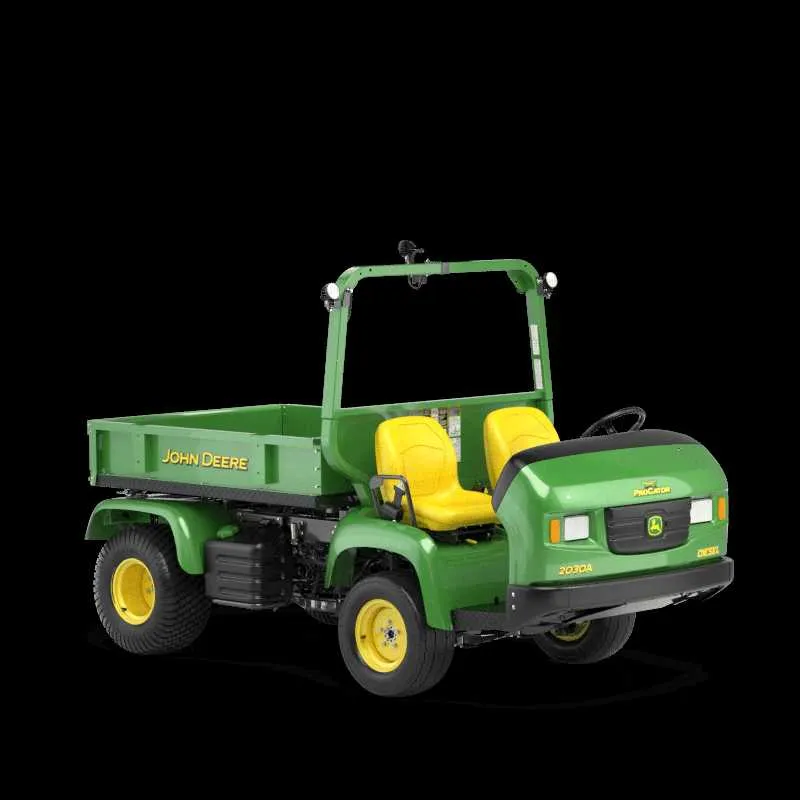
The torque specifications for the John Deere 2030 are vital for maintaining optimal performance and reliability of the engine. Correct torque settings ensure the proper functioning of engine components, reducing the risk of damage and extending the lifespan of the equipment. Always use a calibrated torque wrench when tightening bolts to the manufacturer’s specifications.
For the engine, key components such as the cylinder head bolts and main bearing caps require specific torque values to maintain compression and proper alignment. The cylinder head bolts, for example, should be torqued in stages, following the recommended pattern to prevent warping. Consult the service manual for the exact specifications and follow the tightening sequence carefully.
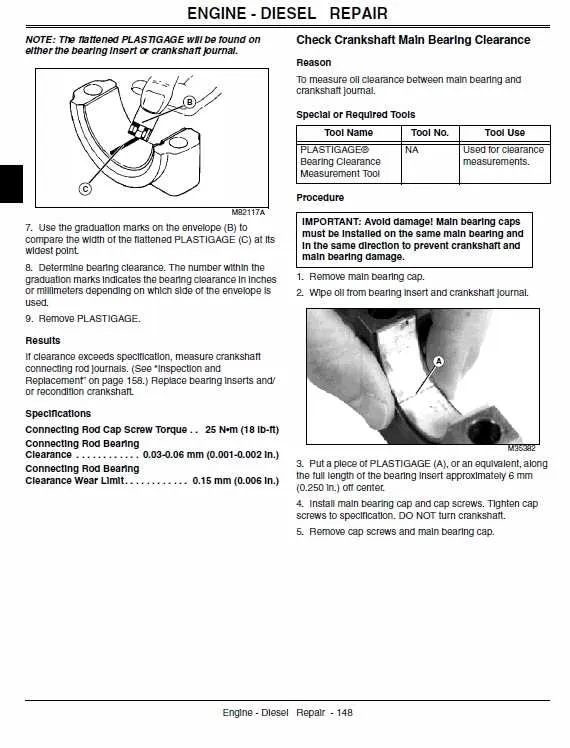
Pay close attention to other critical torque values, including those for the connecting rods and crankshaft. Inaccurate torque settings on these parts can lead to engine failure or poor performance. For reliable operation, always verify torque values before assembly or during routine maintenance.
2030 John Deere Torque Specifications
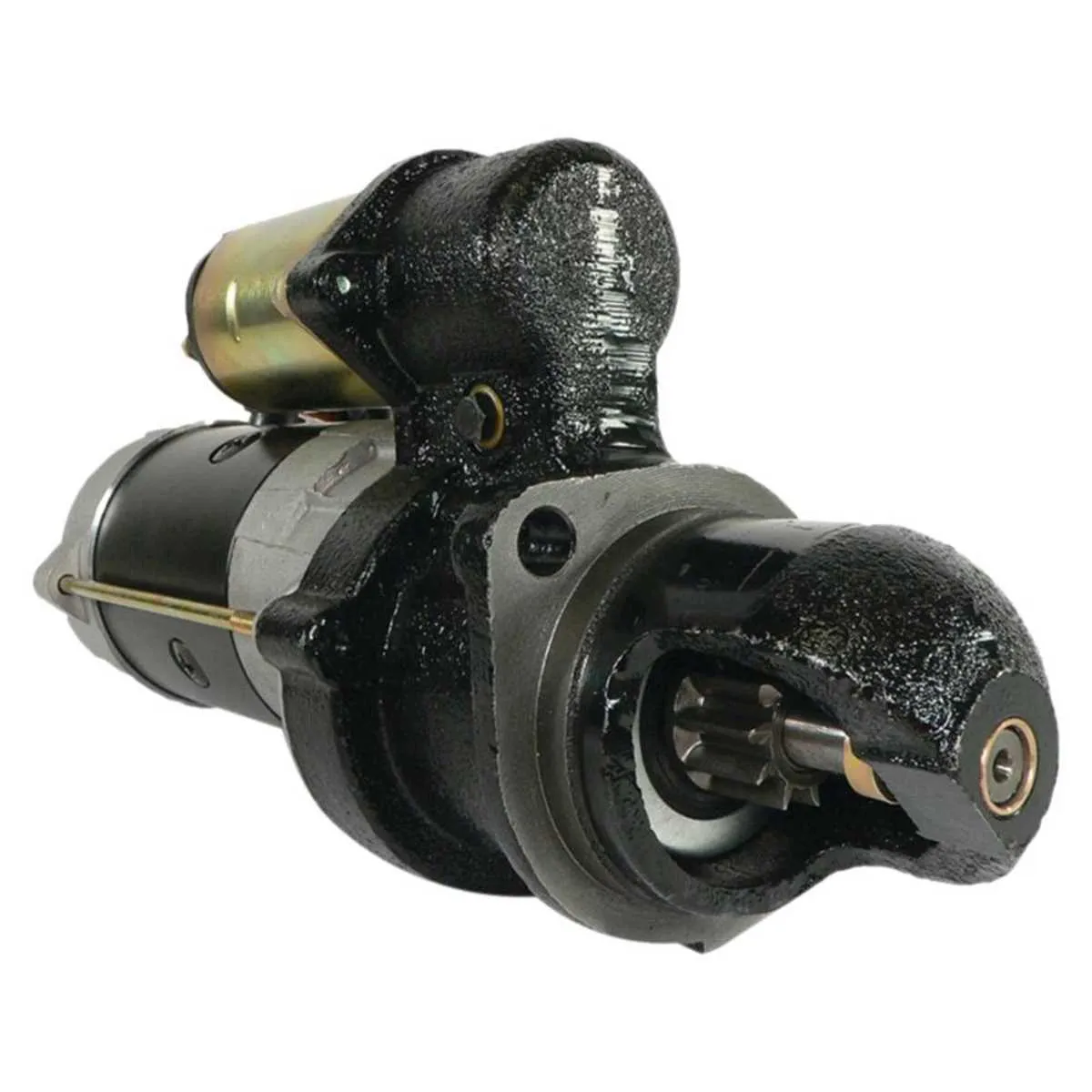
The John Deere 2030 tractor has specific torque settings that are crucial for optimal engine performance and durability. Ensuring the correct torque values during assembly or maintenance prevents damage and ensures the longevity of your equipment.
Here are the key torque specifications for the John Deere 2030:
- Head bolts: 100 ft-lbs (135 Nm)
- Connecting rod bolts: 45 ft-lbs (61 Nm)
- Main bearing caps: 130 ft-lbs (176 Nm)
- Flywheel bolts: 100 ft-lbs (135 Nm)
- Oil pan bolts: 25 ft-lbs (34 Nm)
- Valve cover bolts: 18 ft-lbs (24 Nm)
Be sure to follow the correct sequence for tightening bolts to avoid uneven pressure distribution, which can lead to engine failure. Always use a calibrated torque wrench and check each bolt after initial tightening.
If you’re working on critical engine components, refer to the John Deere service manual for any adjustments based on the engine’s condition and any updates to torque specifications.
Recommended Torque Values for Engine Components
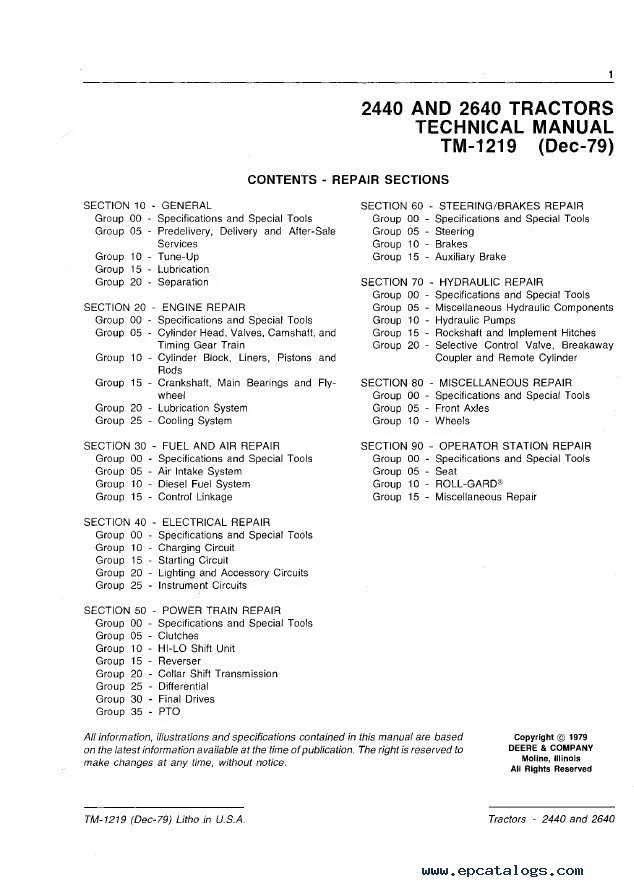
For the John Deere 2030 engine, proper torque specifications are crucial to ensure the engine’s longevity and optimal performance. Below are the recommended torque values for various engine components:
Cylinder Head Bolts: Torque these bolts to 120-130 ft-lbs. Tightening in a crisscross pattern ensures an even distribution of pressure. Follow the manufacturer’s pattern for best results.
Crankshaft Pulley Bolt: This bolt should be tightened to 150 ft-lbs. Use a torque wrench to ensure the correct torque is applied to prevent over-tightening, which could damage the threads.
Connecting Rod Bolts: Tighten these bolts to 60-70 ft-lbs. It’s important to follow a specific sequence when tightening, usually starting from the center to avoid bending the rod.
Flywheel Bolts: The flywheel bolts should be tightened to 150 ft-lbs. Applying the correct torque prevents slippage and ensures efficient power transmission from the engine.
Oil Pan Bolts: Torque these bolts to 15-20 ft-lbs. Proper torque prevents oil leaks and ensures the oil pan is securely attached to the engine block.
Valve Cover Bolts: Tighten valve cover bolts to 10-12 ft-lbs. Applying too much torque can crack the cover, so be precise with your measurements.
For all components, always use a torque wrench to maintain the accuracy of these values. When reassembling the engine, ensure that all parts are cleaned and inspected for wear before applying torque. Proper maintenance of torque values will prevent engine damage and ensure the John Deere 2030 runs smoothly for years.
Proper Torque Sequence for 2030 John Deere Engine
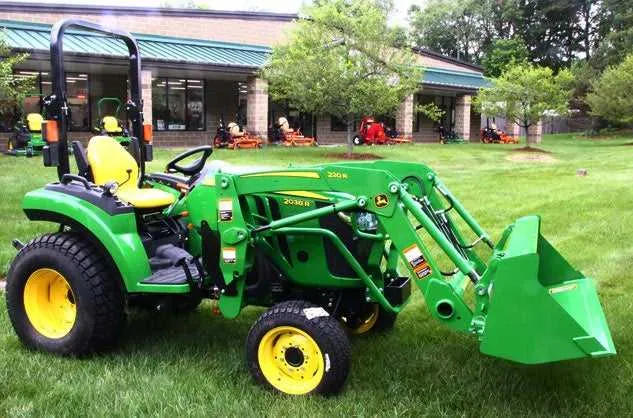
Start by tightening the bolts in a crisscross pattern to ensure even pressure distribution across the engine components. This prevents warping and uneven sealing. Begin with the center bolts and gradually work outwards, following the manufacturer’s recommended torque values for each bolt size.
Step 1: Begin at the center of the cylinder head. Tighten the first bolt to the specified torque, then move to the opposite corner. This method ensures uniform pressure across the entire surface.
Step 2: Continue tightening in a circular pattern, moving outwards. Always follow the specific torque sequence for your engine model to maintain proper alignment and functionality. Over-tightening or under-tightening can cause damage to the engine components.
Step 3: Once the primary torque values are achieved, it’s important to perform a second pass, tightening each bolt to the final specification. This ensures all bolts are secured properly and prevents them from loosening over time.
Step 4: After completing the sequence, recheck all bolts for proper torque. This step is crucial as the engine may have settled or shifted slightly after the first round of tightening.
By following this precise torque sequence, you’ll ensure optimal performance and longevity for your John Deere 2030 engine. Avoid skipping any steps or varying from the recommended sequence, as this could result in costly repairs or poor engine performance.
Common Torque Mistakes and How to Avoid Them
One of the most frequent mistakes when tightening bolts on the 2030 John Deere engine is not following the correct sequence. Always tighten bolts in the recommended pattern to ensure even pressure distribution. This will prevent warping and potential engine damage. Start from the center and work your way out, tightening progressively in steps.
Another common issue is using the wrong torque wrench or an improperly calibrated tool. Always use a high-quality torque wrench and verify its calibration regularly. A poorly calibrated wrench can lead to under-tightening or over-tightening, both of which can cause performance issues or even failure of components.
Be cautious of using the wrong lubricants on bolts. Some torque specs may require dry bolts, while others need lubrication for accurate readings. Double-check the manufacturer’s instructions for the correct conditions before tightening. Failing to do so can affect the torque value, leading to uneven stress on the parts.
Lastly, don’t rush the process. Tightening bolts too quickly or not in stages can lead to inaccurate torque application. Always follow the specific steps outlined for the 2030 John Deere engine, taking the time to apply the torque slowly and evenly. This ensures the best results and longevity of the engine components.