John Deere Tractor Specifications and Features Overview
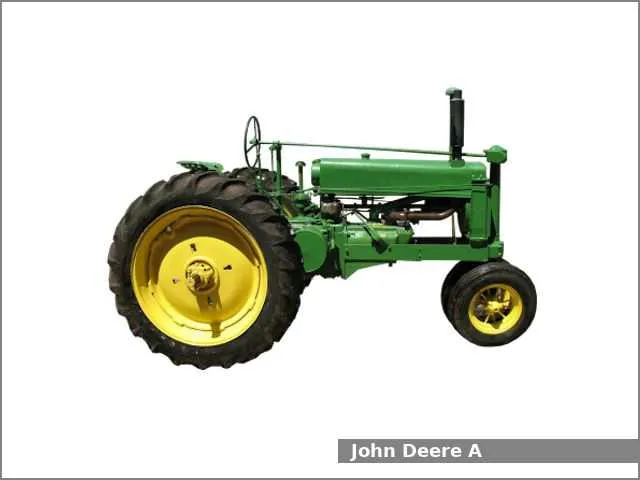
If you’re looking for specific details about John Deere tractors, understanding their key specifications can help you make the right decision for your needs. These tractors offer a variety of models designed for different tasks, whether it’s for farming, landscaping, or heavy-duty work.
Engine Performance: John Deere tractors come with a range of engine types, offering different horsepower options. For example, the 5E Series models have engines ranging from 50 to 75 horsepower, making them suitable for a range of agricultural tasks. The larger 8R Series features up to 410 horsepower, designed for heavy-fieldwork.
Dimensions and Weight: Tractor size varies by model. The 5055E, for example, has a length of about 3,500 mm, while the 8R Series is significantly larger, with lengths around 5,800 mm. Weight ranges from 2,000 kg for smaller models to 10,000 kg for the 8R Series, ensuring stability in a variety of conditions.
Transmission Options: John Deere tractors feature different transmission systems, including mechanical, hydrostatic, and power-shift transmissions. These systems ensure smooth operation for various speeds and conditions, giving operators precise control.
John Deere Tractor Specifications
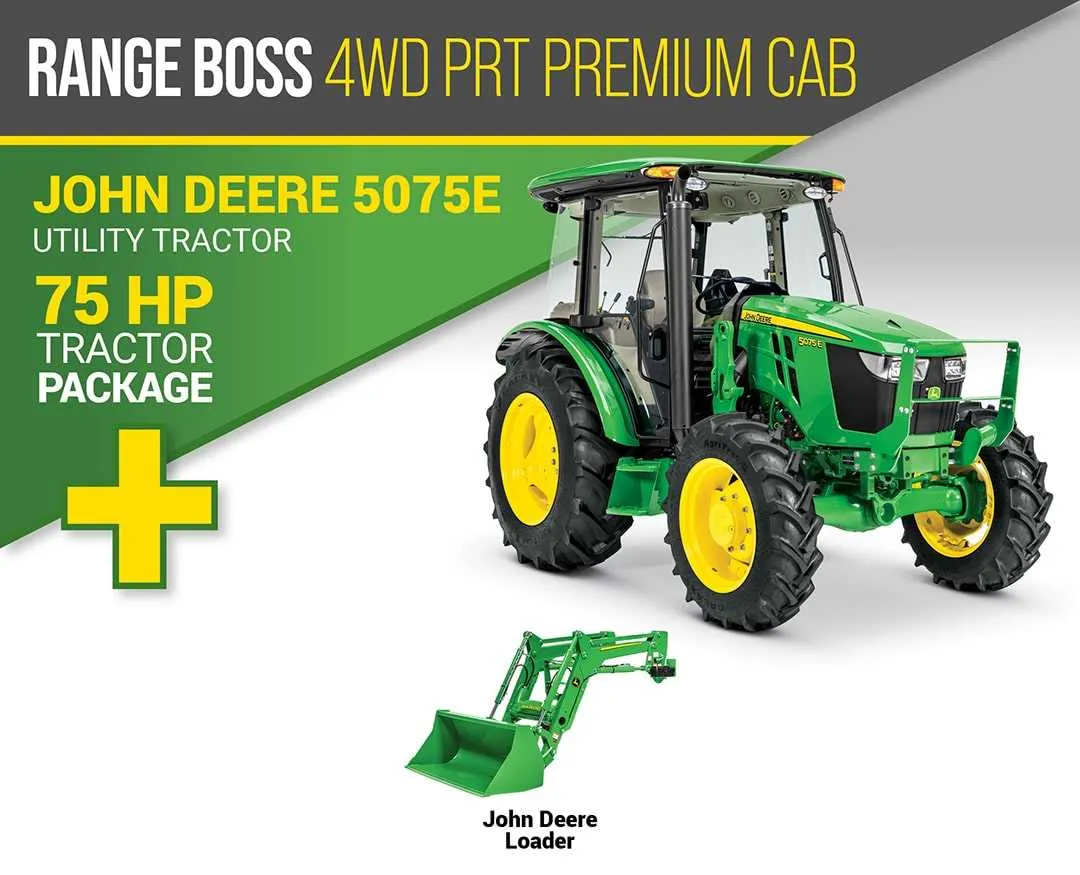
The John Deere tractor lineup offers a variety of models with different specifications, each catering to specific agricultural and construction needs. Key specifications include engine performance, transmission features, dimensions, and hydraulic capabilities, all designed for optimal performance in diverse environments.
- Engine Specifications: John Deere tractors are equipped with powerful engines ranging from 20 HP to over 500 HP, depending on the model. These engines provide excellent torque for demanding tasks like plowing and tilling.
- Transmission Options: Many models feature hydrostatic transmissions for smooth and responsive control. Some higher-end models offer mechanical transmissions, allowing precise speed adjustments under load.
- Hydraulic System: The hydraulic systems are designed to lift heavy implements efficiently, with flow rates typically ranging from 12 to 60 GPM, depending on the model.
- Dimensions and Weight: Dimensions vary, but typical tractor lengths range from 7 to 18 feet, with widths from 4.5 to 8 feet. The weight can range from 1,500 lbs for compact models to 25,000 lbs or more for larger ones.
- Fuel Capacity: Fuel tanks can hold anywhere from 10 to 50 gallons, allowing for extended operating hours between refueling.
These specifications ensure that John Deere tractors are capable of handling a wide range of tasks, from light lawn care to heavy-duty farming and construction projects. When selecting a model, consider the engine size, hydraulic capacity, and transmission type that best suits your needs.
Engine and Performance Features of John Deere Tractors
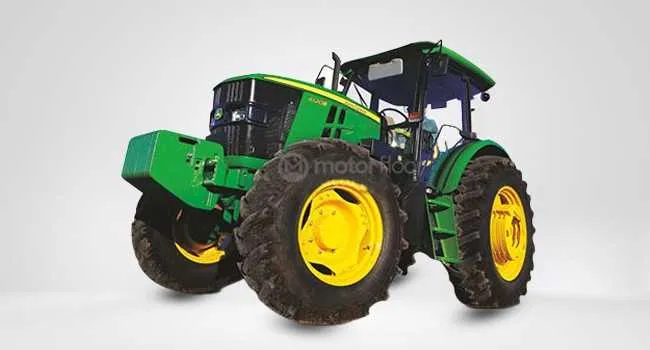
John Deere tractors are powered by a range of high-performance engines designed to handle demanding tasks. The engines deliver consistent power output, ensuring reliable operation in various field conditions. The horsepower ratings vary depending on the model, with the 5E series offering engines with up to 75 horsepower, while the larger 6R series can reach 185 horsepower. These tractors are equipped with turbocharged and intercooled engines, allowing for better fuel efficiency and reduced emissions.
The performance of John Deere engines is marked by their ability to maintain high torque at low engine speeds, ensuring smooth operation during heavy-load tasks like plowing and tilling. Torque levels peak at lower RPMs, which reduces fuel consumption and extends engine life. These engines are paired with efficient cooling systems, enhancing durability and minimizing overheating in harsh operating conditions.
John Deere also incorporates advanced technology such as fuel injection systems that adjust to load conditions, improving fuel economy without compromising power. The engines meet stringent emission standards, making them environmentally friendly without sacrificing performance. Additionally, John Deere tractors feature easy-to-access engine compartments, simplifying maintenance and enhancing user experience during routine checks.
Dimensions and Weight of John Deere Tractor Models
The size and weight of John Deere tractors vary significantly across models, ensuring that there’s an option for a range of agricultural tasks. Below is a breakdown of some popular models and their dimensions and weight specifications.
| Model | Length (inches) | Width (inches) | Height (inches) | Weight (lbs) |
|---|---|---|---|---|
| John Deere 1023E | 98.6 | 51.2 | 78.7 | 1,460 |
| John Deere 2025R | 105.4 | 58.3 | 86.3 | 2,450 |
| John Deere 5055E | 145.9 | 77.2 | 107.9 | 5,120 |
| John Deere 6170R | 167.7 | 86.6 | 122.8 | 17,500 |
For compact tractors like the John Deere 1023E, the smaller size and lower weight make it ideal for residential use and light-duty tasks. In contrast, the John Deere 6170R, with its larger frame and heavier build, is designed for more demanding agricultural operations, offering the power needed for larger implements and long-duration use.
The dimensions and weight should always be considered when selecting a model, as these factors impact stability, maneuverability, and the ability to handle attachments and implements. Heavier models generally provide more power, but they may require more space and a higher lifting capacity on implements. Lighter models are often easier to maneuver in tighter spaces and are better suited for smaller properties.
Transmission Systems and Operational Capabilities of John Deere Tractors
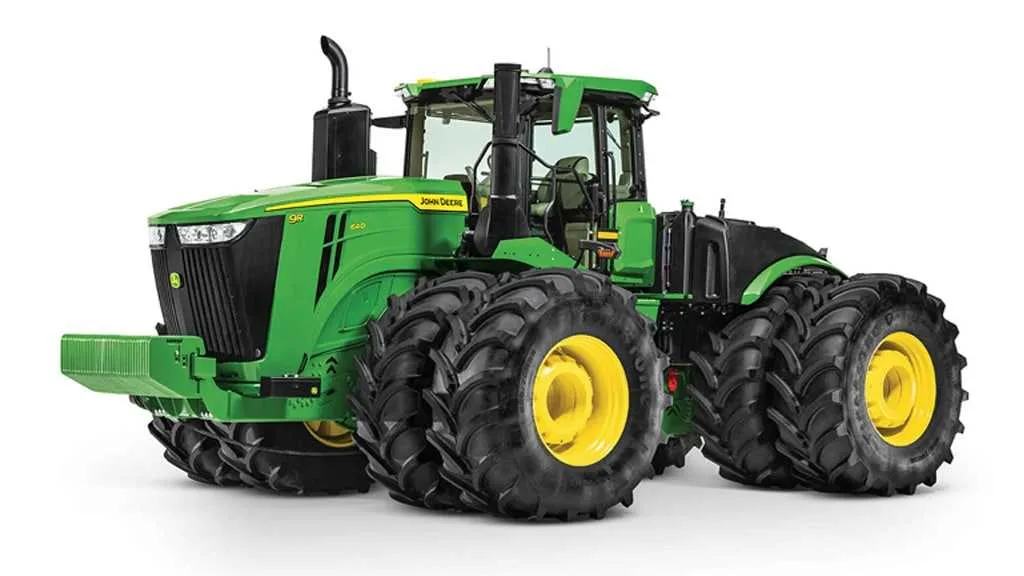
John Deere tractors feature advanced transmission systems designed for high performance and reliability. The range includes hydrostatic, gear-driven, and powershift transmissions. These systems ensure smooth operation across various tasks and terrains. Hydrostatic transmissions offer precise control, especially in tight spaces, while gear-driven transmissions provide greater power for heavy-duty tasks. Powershift transmissions offer seamless shifting without loss of momentum, enhancing productivity.
For lighter tasks, the hydrostatic transmission provides ease of operation with variable speeds and smooth acceleration. Operators can control forward and reverse motion with minimal effort, allowing for quick adjustments during tasks like mowing or landscaping. In contrast, gear-driven transmissions are well-suited for high-load applications, providing a consistent power delivery ideal for plowing or towing heavy implements.
Powershift transmissions are ideal for operators who require consistent shifting between gears without stopping the tractor. This feature reduces downtime and increases operational efficiency, especially when working on larger, more complex tasks like tilling or field preparation. John Deere tractors with powershift systems are equipped with multiple gear ranges, allowing operators to select the ideal setting for different working conditions.
Each transmission type is paired with a robust drive system that optimizes torque distribution to the wheels, ensuring maximum traction. Whether on flat, sloped, or uneven terrain, the transmission systems maintain stability and control. John Deere tractors also offer automated transmission options in some models, which adjust gear shifts based on load and speed, providing a balanced power-to-performance ratio for various tasks.
Regular maintenance of these transmission systems is critical to maintain peak operational performance. Checking fluid levels, replacing filters, and inspecting components for wear can help extend the life of the transmission and prevent costly repairs. Operators should refer to the John Deere service manual for specific maintenance intervals and procedures to ensure the system operates at optimal levels.