John Deere 9300 Grain Drill Specifications and Features
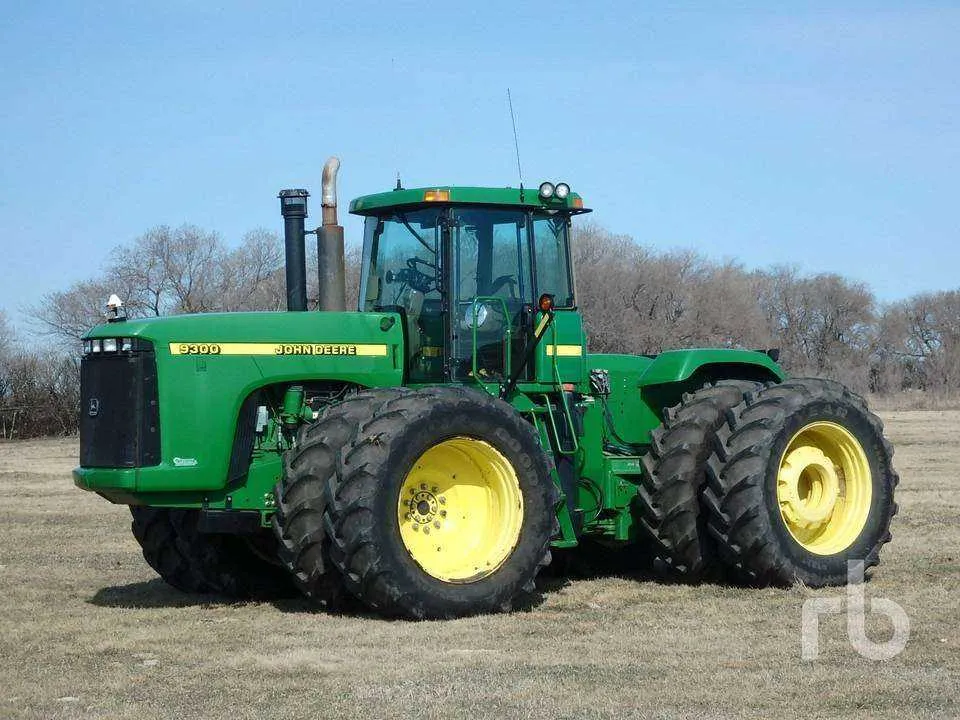
The John Deere 9300 grain drill is designed for efficient seed placement and optimal crop growth. It features a precision planting system that ensures uniform seed depth, promoting better germination. With a working width of 12 to 20 feet, this model is ideal for medium to large farms, allowing operators to cover more ground in less time.
The seeding depth can be adjusted between 1 to 4 inches, providing flexibility for various soil types and conditions. The seed metering system delivers accurate seed distribution, reducing waste and improving seed-to-soil contact. This drill also includes heavy-duty frame construction to withstand tough field conditions and maintain durability over time.
The transport width of the John Deere 9300 is compact, measuring only 10 feet, which ensures easy maneuverability on roads and tight spaces. Its hydraulic lift system simplifies setup and allows for quick field transitions without the need for additional equipment.
For those working in varying terrain, the field drive system provides consistent power to the drill, minimizing downtime. With a high-quality openers and press wheels system, it delivers precise seed placement and soil coverage, promoting uniform crop emergence.
John Deere 9300 Grain Drill Specifications
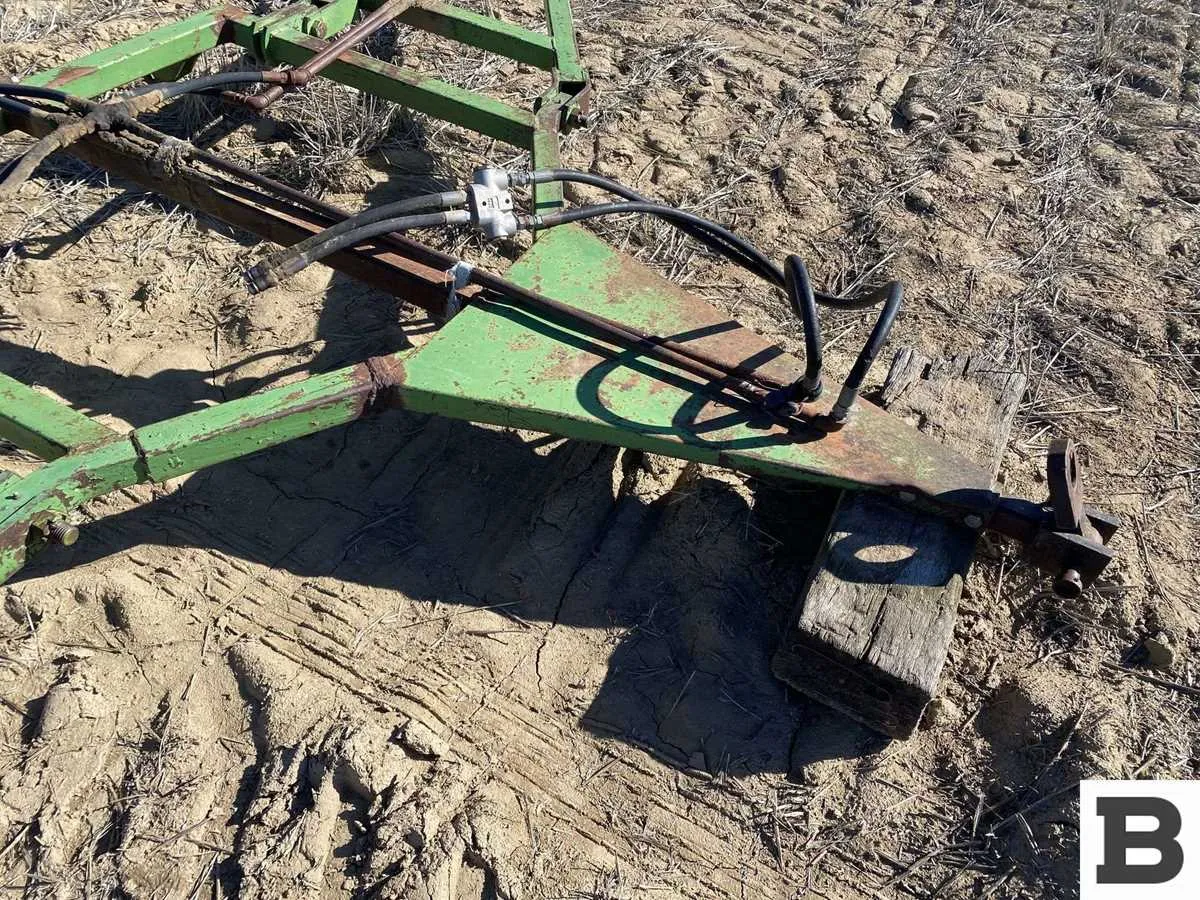
The John Deere 9300 Grain Drill is designed for high-efficiency seeding across various field conditions. It offers adjustable row spacing, ranging from 6 to 10 inches, which allows for versatile planting configurations tailored to different crops. The drill features a sturdy frame, built to withstand rigorous field use and ensure reliable performance in all weather conditions.
With a hopper capacity of 45 bushels, the John Deere 9300 is well-suited for medium to large-scale planting operations. Its seed metering system ensures accurate seed placement, optimizing crop establishment and minimizing seed waste. The drill is also equipped with a hydraulic lift for easier transport between fields, enhancing its operational convenience.
For durability and easy maintenance, the John Deere 9300 is equipped with heavy-duty bearings and openers, ensuring consistent performance year after year. The drill’s row-unit design enhances seed-to-soil contact, improving germination rates and crop yield potential. Whether for large-acreage farming or more specialized planting, the 9300 is an ideal choice for demanding agricultural tasks.
Key Dimensions and Weight of the John Deere 9300 Grain Drill
The John Deere 9300 Grain Drill has precise dimensions that make it suitable for a range of agricultural tasks. The machine’s width varies depending on the configuration, typically between 10 and 20 feet. The operational width can be adjusted based on user needs, providing flexibility during planting season.
The overall length of the drill measures around 12 feet, ensuring ease of maneuverability in tight spaces. Its height is approximately 7 feet, allowing it to fit under standard agricultural structures.
The weight of the John Deere 9300 Grain Drill typically ranges from 8,000 to 12,000 pounds, depending on the model’s specific configuration and attachments. This weight ensures stability during operation, reducing the risk of the drill shifting during planting. A higher weight often translates to better penetration into tougher soil types, but users should ensure compatibility with their tractor’s lift capacity.
- Width: 10 to 20 feet (adjustable)
- Length: 12 feet
- Height: 7 feet
- Weight: 8,000 to 12,000 pounds (varies by configuration)
When selecting a John Deere 9300 Grain Drill, it’s critical to consider both the weight and dimensions for your specific field conditions and tractor compatibility. Proper calibration and maintenance will ensure optimal performance and longevity of the equipment.
Transmission and Drive Mechanism Features in the John Deere 9300 Grain Drill
The John Deere 9300 Grain Drill uses a reliable mechanical drive system to ensure consistent seed placement. The transmission is powered by a robust chain-driven mechanism that connects directly to the tractor’s PTO. This setup allows for smooth and synchronized operation of all planting units across varying field conditions.
The drive system includes adjustable gear ratios that can be modified to match different planting speeds and field conditions. This ensures uniform seed distribution regardless of speed variations during operation. The system is designed for durability, with heavy-duty components that reduce the risk of wear over time, enhancing longevity and minimizing maintenance needs.
The grain drill also features an individual clutch system for each seed row, allowing for independent operation and finer control. This ensures that the seed metering system remains consistent even when working in uneven terrain or when stopping and starting frequently.
For easier maintenance, the drive system incorporates greaseable points and accessible components that simplify routine upkeep. The entire system is engineered to handle high torque, providing reliable power transfer to each seed delivery system under demanding agricultural conditions.
Seed Metering and Depth Control System of the John Deere 9300 Grain Drill
The John Deere 9300 Grain Drill features a precise seed metering and depth control system that ensures uniform seed placement. The system uses a combination of mechanical and hydraulic components to maintain consistent seed depth across various soil types.
The seed metering mechanism employs a mechanical drive that is powered directly from the drill’s wheels. This allows for accurate seed distribution based on ground speed, ensuring uniform spacing. The metering system is designed for quick adjustment, enabling operators to change seed rates easily according to the specific crop being planted.
Depth control is achieved through adjustable depth wheels that can be set to a precise depth based on the desired planting depth. This system ensures that seeds are placed at an optimal depth, which is critical for seed germination. The depth can be adjusted in increments, making it adaptable for different soil conditions.
The seed metering system’s design minimizes the risk of clogs, and its low-maintenance nature helps to reduce downtime during operation. Regular checks and calibrations can keep the system running efficiently, providing consistent results throughout planting seasons.
For optimal performance, ensure the seed meter settings are aligned with the seed type and soil conditions. Proper calibration of the depth control system is also key to ensuring uniform plant growth and maximizing yields.