Comparison of John Deere 450E and 450G Dozer Specifications
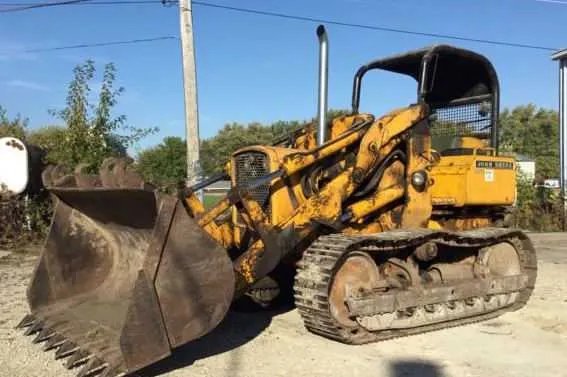
The John Deere 450E and 450G dozers are both versatile machines, but their specifications highlight distinct differences in power, performance, and operational capabilities. For operators looking to choose between the two, understanding these variances is key to making the right decision based on specific job requirements.
The 450E dozer, built with a 4.5L engine, offers a net power of 92 hp (68.7 kW), while the 450G features a more powerful 4.5L engine generating 102 hp (76.1 kW). This 10 hp increase in the G model translates into better performance in demanding conditions, offering superior traction and speed for tough tasks.
When it comes to hydraulic systems, the 450E uses a variable displacement piston pump, providing a flow rate of 49.8 gpm (188 L/min). The 450G improves on this, with a flow rate of 56.4 gpm (213 L/min), enabling faster blade response and more efficient lifting capabilities for larger loads.
Another key difference lies in the operator comfort and control. The 450G is equipped with more advanced electronics, offering improved monitoring systems for machine health and performance. Enhanced controls also allow for smoother operation, reducing operator fatigue during long shifts.
Both models are reliable and robust, but the 450G provides enhanced power, hydraulic flow, and technology for those looking for increased efficiency in larger-scale operations.
Difference in John Deere 450E and 450G Dozers Specifications
The John Deere 450E and 450G dozers, though similar in many respects, show clear differences in performance, engine power, and operational capabilities. The 450G offers improvements in engine efficiency and hydraulic systems, making it a better choice for heavy-duty tasks.
The 450E comes equipped with a 4.5L, 4-cylinder engine that generates around 88 horsepower. Its operational weight is approximately 15,000 pounds. In comparison, the 450G has a more powerful 4.5L, 4-cylinder engine producing 105 horsepower and weighs about 16,000 pounds, providing more pushing power and lifting capacity.
The 450G also benefits from an upgraded hydrostatic transmission, enhancing its responsiveness and control in challenging conditions. The 450E features a more basic transmission, which may not perform as smoothly under heavy load or difficult terrain.
Another major difference lies in the hydraulics. The 450G includes an advanced hydraulic system with a higher flow rate, resulting in faster blade movements and increased overall productivity. The 450E’s hydraulic system is less robust, which may limit efficiency in high-demand projects.
While both dozers come with similar blade options, the 450G’s larger blade capacity allows for handling more material per pass, improving productivity on large-scale operations. Additionally, the 450G’s updated cooling system provides better heat management, particularly in hotter climates or prolonged work periods.
For operators looking for greater durability and efficiency in demanding environments, the 450G is the clear upgrade. However, for lighter tasks and smaller budgets, the 450E still offers reliable performance.
Comparison of Engine Power and Performance between John Deere 450E and 450G
The John Deere 450G offers a noticeable increase in engine power compared to the 450E. The 450E is equipped with a 4.5L turbocharged engine delivering 95 horsepower, while the 450G steps up with a more powerful 4.5L engine producing 100 horsepower. This 5-horsepower boost enhances the 450G’s performance in demanding tasks, especially when handling heavier loads or navigating more challenging terrains.
In terms of fuel efficiency, the 450G has a slightly improved system that optimizes fuel consumption, providing a better operating cost per hour. The 450G’s engine uses a more refined management system to balance power and fuel use, which translates to longer operational hours without refueling. The 450E, while efficient, does not offer the same level of optimization.
When comparing torque, the 450G also edges out the 450E, producing 309 lb-ft at 1,400 rpm, compared to the 450E’s 287 lb-ft at the same speed. This difference in torque allows the 450G to handle more demanding pushing and digging tasks with less strain, making it a better option for operations requiring continuous heavy lifting.
The 450G features an improved cooling system, which keeps the engine running at optimal temperatures under stress. This system minimizes the chances of overheating during long, tough work cycles. The 450E’s cooling system is effective, but it may require more frequent maintenance in high-load scenarios.
For operators focused on maintaining optimal engine performance, the 450G offers a better mix of power, efficiency, and reliability over extended periods, making it the preferable choice for tougher jobs that demand both strength and endurance.
Hydraulic System Variations in John Deere 450E and 450G Dozers
The hydraulic system in John Deere 450E and 450G dozers differs significantly in terms of design, performance, and efficiency. Understanding these variations can help operators and fleet managers select the best machine for specific tasks.
The 450E features a traditional hydraulic system with a standard open-center configuration, providing basic flow control for various attachments. It uses a single-pump setup that delivers adequate performance for standard earthmoving applications. This system is reliable but less adaptable to heavier or more complex tasks.
On the other hand, the 450G introduces a closed-center hydraulic system, which offers superior efficiency and power management. This setup uses multiple pumps to direct fluid flow precisely where it’s needed, which significantly reduces energy losses and enhances overall productivity. The 450G’s system also allows for simultaneous operation of multiple functions without compromising power.
- 450E: Open-center hydraulic system, single pump, suitable for basic operations.
- 450G: Closed-center hydraulic system, multiple pumps, optimized for heavy and simultaneous functions.
The efficiency of the hydraulic system in the 450G leads to smoother operation, especially during demanding tasks like pushing, lifting, or when working with heavy attachments. This makes the 450G a better choice for large-scale projects or those requiring high uptime.
Another distinction lies in the hydraulic oil cooling. The 450G incorporates a larger and more efficient cooling system, which helps maintain optimal temperatures during extended use. This reduces the risk of overheating and ensures consistent hydraulic performance, even in harsh conditions.
- 450E: Standard oil cooling system.
- 450G: Larger, more efficient cooling system for better temperature regulation.
For operators seeking a more responsive and efficient machine, the 450G’s hydraulic system provides a clear advantage. The improved flow control and enhanced cooling system contribute to better performance in high-demand applications.
Track and Undercarriage Design Differences in John Deere 450E vs 450G Dozers
The John Deere 450G features an upgraded undercarriage compared to the 450E, offering better durability and performance. One of the main differences is the track system. The 450G uses a reinforced track that provides improved wear resistance and longevity in harsh working conditions. It is designed to handle heavier loads and higher stress, ensuring better traction and stability on uneven terrain.
The 450E, on the other hand, uses a slightly lighter track system that is efficient for lighter tasks but may wear out faster under demanding conditions. The 450G also benefits from a redesigned undercarriage with better ground clearance, improving its ability to move over obstacles and rough terrain without getting stuck.
The 450G also offers a longer track frame compared to the 450E, which enhances its stability and weight distribution. This adjustment leads to a more balanced and controlled operation, especially when working on slopes or uneven ground. The tracks are also designed to reduce maintenance intervals, which cuts down downtime during projects.
Both models use similar track width options, but the 450G provides greater flexibility with additional track configurations, allowing for more customization based on job requirements. These changes make the 450G better suited for more demanding jobs where long-term performance is key.