John Deere 210GLC Specifications and Performance Details
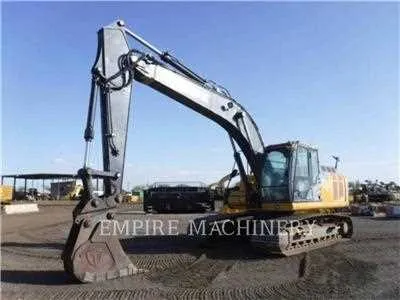
The John Deere 210GLC is a robust and powerful machine built for tough worksite conditions. With an operating weight of 22,000 kg and a net engine power of 129 kW, it delivers both strength and efficiency. Whether you’re handling heavy lifting, digging, or grading, the 210GLC will exceed expectations with its advanced hydraulic system and precise control.
Its 6.8-liter engine provides the necessary power to tackle demanding tasks, while the high-performance hydraulics allow smooth operation even under load. The machine’s optimized boom and arm design improve lifting capabilities and reach, making it a reliable choice for excavating, trenching, and other heavy-duty applications.
For increased fuel efficiency and reduced emissions, the John Deere 210GLC features a high-efficiency cooling system and an upgraded engine management system. Its spacious and ergonomic cab ensures operator comfort and visibility, leading to better performance throughout long hours on the job site.
John Deere 210G LC Specifications
The John Deere 210G LC offers a blend of power and reliability for a range of construction tasks. With a robust engine and advanced hydraulics, it’s designed for digging, lifting, and grading in demanding environments.
- Engine Model: Final Tier 4 (FT4)/Stage IV certified engine
- Engine Power: 173 horsepower (129 kW) at 2,000 rpm
- Operating Weight: 48,300 lbs (21,900 kg)
- Bucket Capacity: 1.0 – 1.6 cubic yards (0.8 – 1.2 m³)
- Max Digging Depth: 22 ft 3 in (6.78 m)
- Max Reach: 31 ft 5 in (9.58 m)
- Max Dumping Height: 25 ft 4 in (7.72 m)
- Max Tail Swing Radius: 11 ft 8 in (3.56 m)
- Fuel Tank Capacity: 145.4 gallons (550 L)
This model provides increased fuel efficiency through the JDLink™ system for remote monitoring. Operators can optimize fuel consumption and track machine performance in real-time. For maintenance, the 210G LC features easy access to service points, reducing downtime.
With advanced hydraulic systems, the machine can handle tough digging and lifting jobs. The smooth control system ensures a more responsive operation, improving overall productivity. Whether for small projects or large-scale excavation, the 210G LC delivers solid performance with a focus on operator comfort and safety.
Engine Power and Performance of John Deere 210G LC
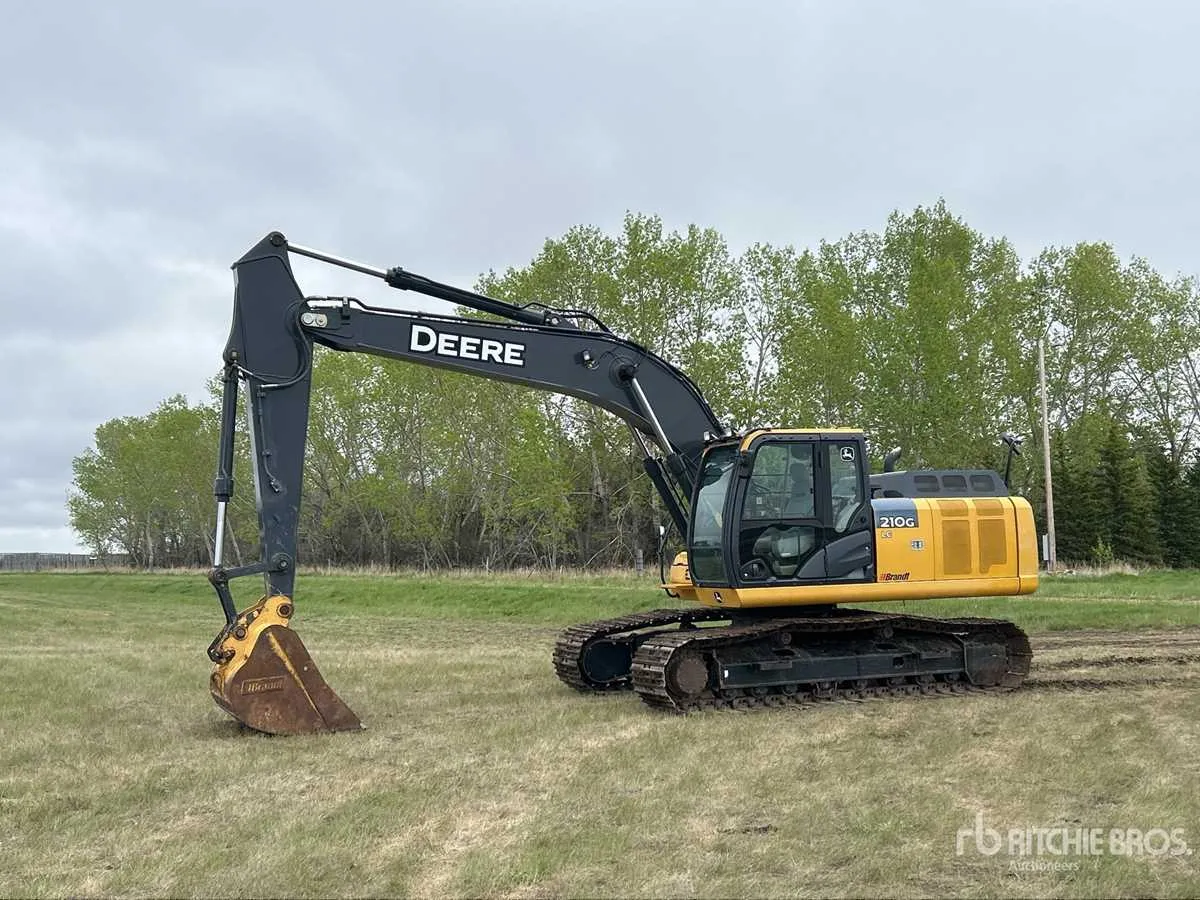
The John Deere 210G LC offers impressive engine performance, equipped with a 6.8L Final Tier 4 (FT4) diesel engine. It delivers a reliable 173 horsepower, providing the power needed for demanding tasks in construction and excavation projects.
Thanks to the efficient design of its engine, the 210G LC maintains optimal performance even in harsh conditions. The engine’s power output ensures the machine can tackle tough materials and perform demanding operations without compromising fuel efficiency.
With advanced hydraulics and precise power distribution, this model achieves smooth operation, reducing downtime and enhancing overall productivity. The machine’s power is complemented by an upgraded cooling system, which prevents overheating during extended use, ensuring consistent performance across a variety of jobs.
In addition, the 210G LC’s engine is designed to meet stringent emissions standards, offering lower environmental impact while still delivering top-tier performance. The result is a machine that balances power, efficiency, and sustainability, making it ideal for professionals seeking both power and environmental responsibility in one package.
Hydraulic System and Digging Capabilities of John Deere 210G LC
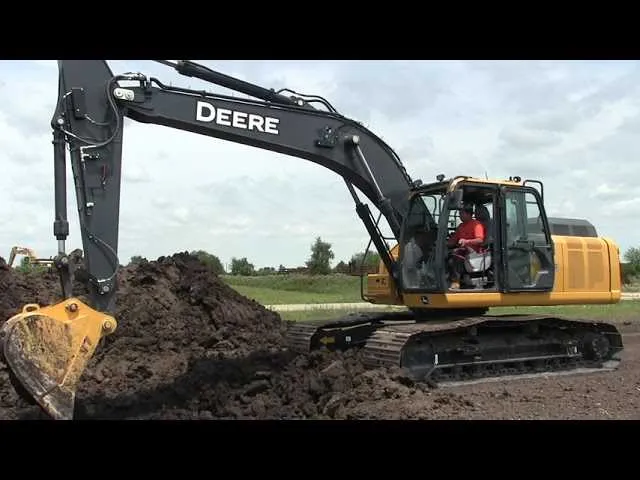
The John Deere 210G LC is equipped with a powerful hydraulic system that ensures maximum digging performance and productivity. The hydraulic system operates with a maximum pump flow of 254 liters per minute, providing the necessary force for demanding tasks. This flow rate allows the machine to maintain high operational speeds and ensures efficient digging in various soil conditions.
The digging depth of the 210G LC reaches up to 7.3 meters, allowing operators to perform deep trenching and foundation work. The machine’s reach and lift capacity further enhance its versatility, making it suitable for a range of excavation tasks. The bucket breakout force of 13,100 kg and arm force of 9,570 kg contribute to superior digging power, ensuring that tough materials can be easily handled.
With a dedicated hydraulic system and precise control, the 210G LC offers smooth operation, reducing downtime and boosting work efficiency. Whether for digging, lifting, or lifting heavy loads, the machine’s hydraulic capabilities deliver high performance and adaptability in any project.
Maintenance and Service Requirements for John Deere 210G LC
Change engine oil every 500 hours or annually, whichever comes first. Use John Deere Plus-50 II oil or equivalent for best performance. Regular oil changes prevent premature wear on internal engine components.
Replace the fuel filter every 500 hours or if the engine shows signs of poor fuel quality. Clean the fuel tank and inspect fuel lines to avoid contamination.
Inspect and clean the air filter every 250 hours of operation. A clogged air filter can reduce engine performance and efficiency. Replace it every 1000 hours or sooner if it shows signs of wear or damage.
Check and tighten all hydraulic connections every 250 hours. Hydraulic fluid should be replaced every 2000 hours or as indicated by the machine’s diagnostics. Use John Deere Hy-Gard or an equivalent fluid to ensure optimal hydraulic performance.
Inspect the undercarriage for wear at regular intervals. Replace tracks or rollers if they show signs of excessive wear. This helps prevent unnecessary strain on the machine’s drivetrain.
Examine the cooling system every 500 hours. Clean the radiator and air conditioning condenser to ensure proper cooling. Check coolant levels and replace coolant every 2000 hours or as needed.
Check the battery and electrical system for any signs of corrosion or damage. Clean the battery terminals and ensure the cables are secure. Replace the battery every 3 to 5 years, depending on usage.
Inspect the machine’s steering and brake systems regularly. Replace brake fluid every 1000 hours or if the brake system feels less responsive. This ensures safe operation at all times.
Grease the machine’s moving parts every 10 to 15 hours of operation. Keep an eye on the grease fittings to avoid premature wear and tear of critical components.