John Deere Hydraulic Oil Specifications and Requirements for Optimal Performance
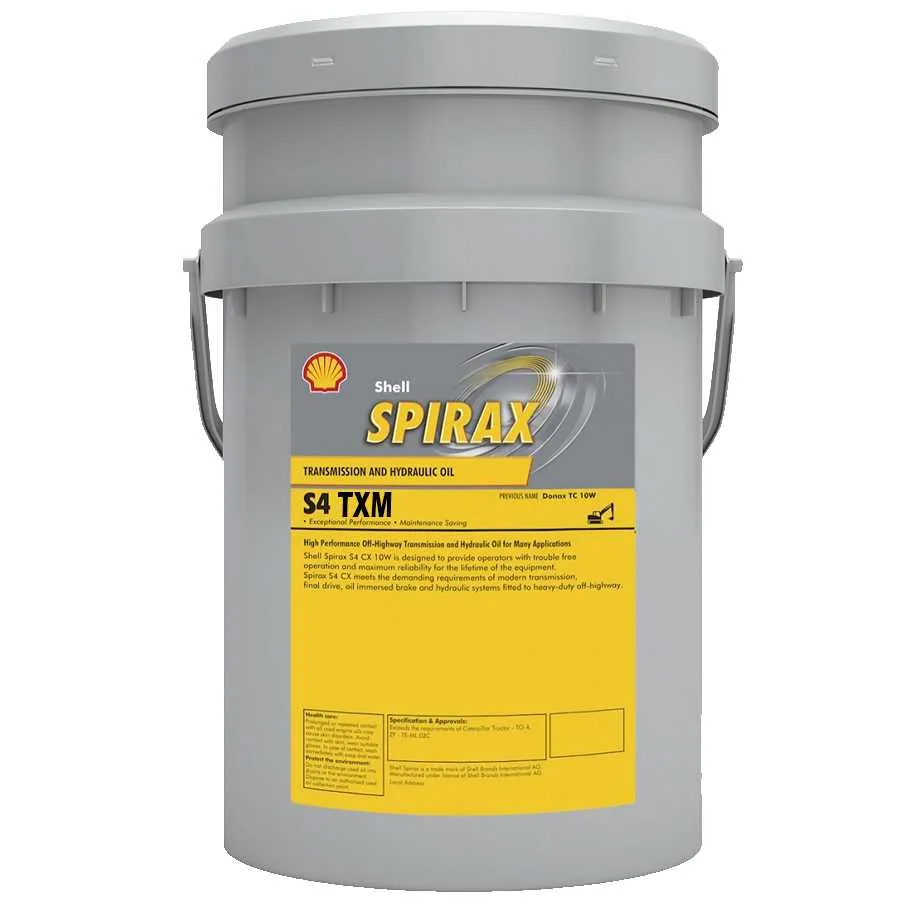
Use only high-quality hydraulic oil that meets the specific requirements for John Deere machinery. The most recommended fluid is John Deere Hy-Gard, designed to provide optimal performance in various models. Hy-Gard is formulated to protect against wear, rust, and corrosion while ensuring proper operation of hydraulic systems in John Deere equipment.
When selecting hydraulic oil, ensure it complies with the JDM J20C specification, which is a critical standard for John Deere equipment. This oil is engineered to maintain performance under high pressure and temperature, delivering efficient hydraulic response and protecting sensitive components.
If you’re unsure about the oil type or viscosity, refer to the operator’s manual for your specific model. It will detail the required specifications, including viscosity grades for different temperature ranges. Commonly, John Deere recommends 10W-30 or 15W-40 oils for most machines, though some models may require different grades based on seasonal conditions.
Always replace hydraulic fluid according to the manufacturer’s intervals. Regular oil changes prevent system breakdowns and extend the life of hydraulic components. Check the fluid level regularly and ensure the system is free from contamination, which could lead to costly repairs or reduced efficiency.
John Deere Hydraulic Oil Specs
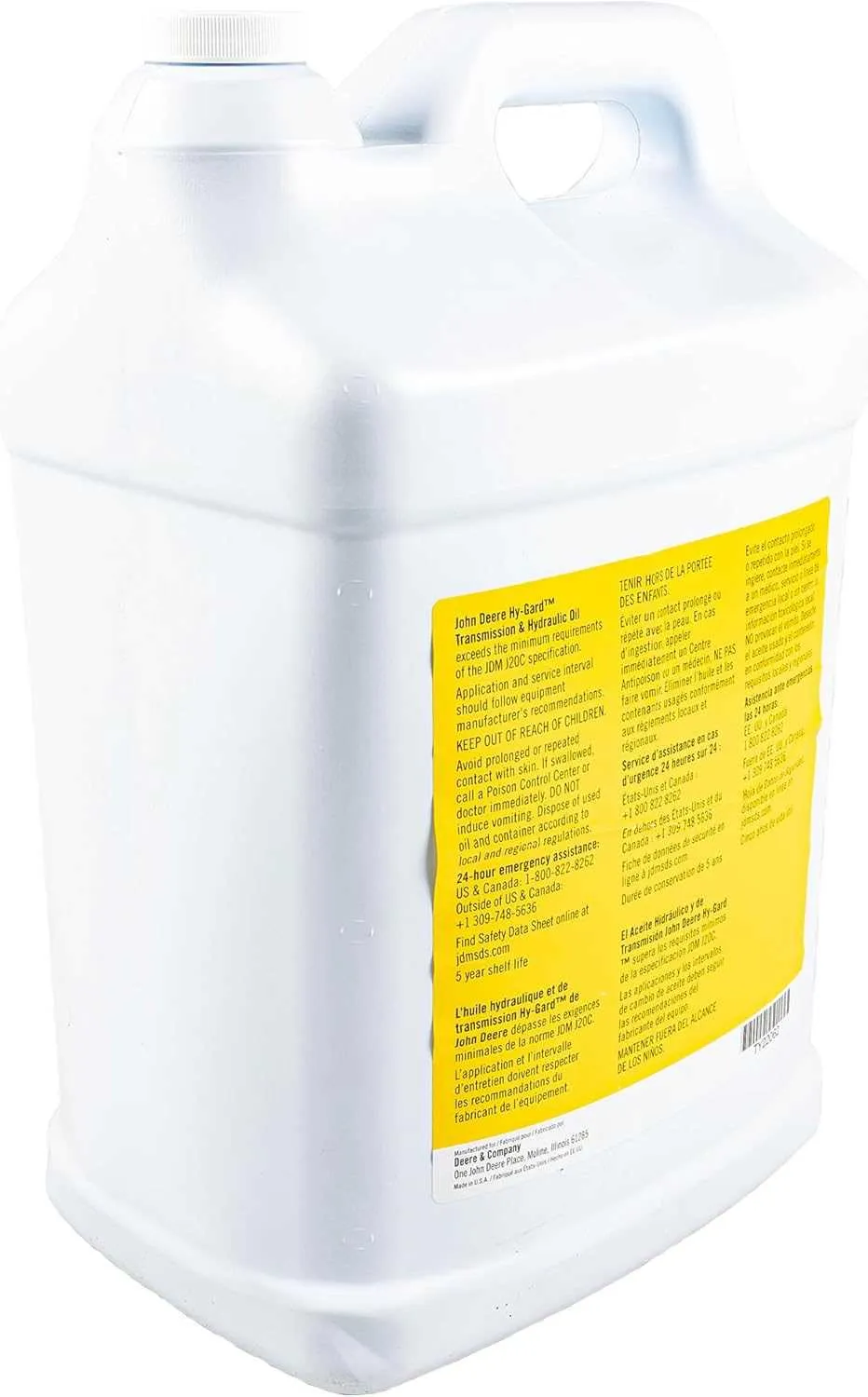
John Deere recommends using their own branded hydraulic oil for optimal performance. The oil should meet the specifications of J20C or J20D for most models. These oils are formulated to maintain proper hydraulic pressure, prevent wear, and ensure smooth operation of the system.
For the best results, ensure that the hydraulic oil has the following properties:
- Viscosity: 10W-30 or 15W-40 is typically preferred, depending on your region’s climate.
- API Classification: SF, SG, or higher, ensuring compatibility with engine and hydraulic systems.
- Cleanliness: Always use fresh, clean oil to avoid contamination that could damage components.
- Temperature Range: The oil should perform well in both high and low temperatures, preventing cold start issues or overheating.
Using non-John Deere oil could lead to reduced system efficiency, increased wear, and potential warranty issues. Always consult your operator’s manual for specific oil requirements based on your tractor’s model and operating conditions.
In case of oil change, ensure the oil meets the required standards and check the level regularly for optimal operation. Keep the hydraulic system clean to avoid issues with pump performance and system responsiveness.
Choosing the Right Hydraulic Fluid for John Deere Equipment
Always use a hydraulic fluid that meets the John Deere J20C or J20D specifications for optimal performance. These fluids are specifically formulated to protect the components of John Deere tractors and equipment, ensuring smooth operation and minimizing wear. If you’re unsure about which type to choose, refer to the operator’s manual for your specific model.
For colder climates, J20C fluid is a solid choice, as it remains effective at low temperatures. On the other hand, if you’re operating in warmer regions, J20D fluid provides enhanced heat stability, preventing the fluid from breaking down under high pressure and temperatures.
Never substitute with a generic hydraulic fluid. The wrong fluid can lead to seal degradation, poor system performance, or even damage to hydraulic pumps and valves. Pay close attention to the manufacturer’s recommendations and replace the fluid at the intervals specified in the manual to maintain the longevity of your equipment.
Viscosity Requirements for Different John Deere Models
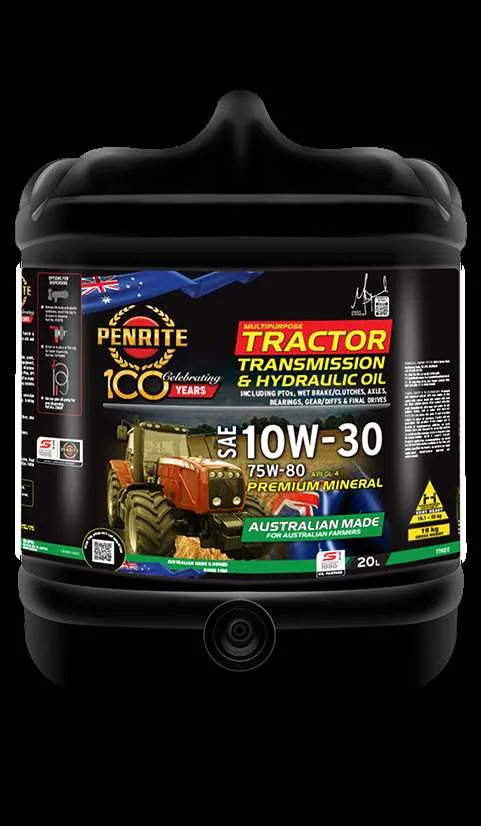
John Deere models require specific viscosity grades of hydraulic oil to ensure proper performance and longevity. For most newer models, a multi-viscosity oil like 10W-30 or 15W-40 is recommended for a wide range of temperatures. These oils provide consistent lubrication across different operating conditions.
For tractors like the 5M, 6R, and 7R series, John Deere specifies the use of ISO VG 46 for temperatures between 0°F and 100°F (approximately -18°C to 37°C). In colder climates, a lower viscosity, such as ISO VG 32, may be used to ensure easy cold starts without compromising protection. For temperatures exceeding 100°F, a higher viscosity grade, like ISO VG 68, is advised.
Older models, such as the 4000 and 5000 series, typically require ISO VG 32 or 46 oils. These machines are designed for optimal performance with these viscosity grades under standard operating conditions, and it’s important to follow the manufacturer’s recommendation to prevent wear and tear on hydraulic components.
Consulting the owner’s manual for each specific model will ensure that you choose the correct oil type for the working environment. Using the wrong viscosity can lead to inadequate lubrication, increased wear, or even equipment failure.
Maintenance Tips for Optimal Hydraulic System Performance
Regularly check and replace the hydraulic oil based on the manufacturer’s recommendations. This helps prevent contaminants from affecting the system’s performance and ensures smooth operation.
Use only the recommended hydraulic fluid type for your John Deere equipment. Ensure that the fluid meets the specified viscosity and performance standards. This will maintain consistent pressure levels and minimize wear on components.
Clean the hydraulic filters frequently. Dirty filters can restrict oil flow, increasing pressure and causing system failures. Replace filters when necessary to keep the system running at its best.
Monitor the oil levels consistently. Low hydraulic fluid levels can cause overheating and damage seals, while overfilling may lead to foaming and poor lubrication. Keep the oil at the proper level as per the manufacturer’s guidelines.
Inspect hoses and fittings for any signs of wear, cracking, or leaks. Even small leaks can lead to significant performance issues. Tighten or replace damaged parts immediately to avoid system failure.
Ensure the system is free of air by purging any trapped air from the hydraulic lines. Air in the system reduces efficiency and can cause erratic operation. Bleed the lines if you notice unusual sounds or jerky movements in the hydraulic components.
Check the temperature of the hydraulic fluid regularly. Excessive heat can degrade the oil quickly, leading to pump and motor damage. If the system is overheating, inspect the cooling system or consider using a higher-performance oil.
Perform regular maintenance on the hydraulic pump. A worn-out pump can lead to poor fluid pressure and reduce the overall system efficiency. Replace or service the pump according to the manufacturer’s service intervals.
By adhering to these maintenance steps, you will extend the lifespan of your hydraulic system and prevent unexpected failures, ensuring your John Deere equipment remains reliable under heavy use.