John Deere Low Viscosity Oil Specifications and Performance Guidelines
The John Deere low viscosity oil is designed for specific performance under varying environmental conditions. Choose the correct viscosity grade to maintain engine efficiency and prevent wear. For optimal engine protection, it is crucial to follow the manufacturer’s guidelines regarding oil grade and change intervals.
John Deere recommends using oils that meet their stringent standards for low viscosity, typically 5W-30 or 10W-30, depending on the operational temperature range. This ensures better fuel economy and improved cold-start performance while minimizing engine friction.
Ensure that the oil you select is approved for your specific equipment model, as using the wrong viscosity can affect engine life and performance. Refer to the owner’s manual for precise oil specifications tailored to your machinery’s needs.
John Deere Low Viscosity Oil Specifications
John Deere recommends using low viscosity oils with specific qualities to maintain engine performance and longevity. These oils are designed to reduce friction, improve fuel efficiency, and ensure smooth operation even in colder temperatures.
The key specifications for John Deere low viscosity oils are:
- Viscosity Grade: Typically 0W-30 or 5W-30, providing optimal performance across a wide temperature range.
- Oil Type: Synthetic oils are preferred for their superior stability and resistance to breakdown under high temperatures.
- API Classification: Oils should meet API CJ-4 or higher standards for maximum protection and performance.
- Pour Point: Low viscosity oils should have a pour point as low as -40°C to ensure easy start-up in cold conditions.
- Base Oil: Full synthetic base oils are recommended for their advanced formulation and longer service life.
These oils provide superior protection for engine components, reducing wear and minimizing the risk of sludge buildup. They also promote cleaner combustion, which is vital for both performance and emissions control.
Always refer to your specific John Deere equipment’s manual for the precise oil recommendation and ensure that the oil meets all required specifications to avoid voiding the warranty.
Understanding the Viscosity Requirements for John Deere Engines
John Deere engines require specific viscosity grades to ensure optimal performance, efficiency, and longevity. Low viscosity oils are often recommended to improve fuel efficiency, reduce friction, and provide faster circulation, especially in colder temperatures. These oils are designed to flow more easily, reducing the workload on the engine during startup.
John Deere typically specifies oils with a viscosity grade such as 0W-30, 5W-30, or 10W-30, depending on the environmental conditions and the model of the engine. It’s critical to choose the appropriate viscosity for your operating conditions. For colder climates, 0W-30 or 5W-30 are ideal, while in warmer regions, a higher viscosity like 10W-30 might be necessary to maintain engine protection.
It’s important to follow John Deere’s guidelines when selecting low viscosity oils, as using oils with the wrong viscosity can result in improper lubrication, increased engine wear, and reduced fuel efficiency. Always refer to the user manual for your specific model for exact oil specifications and recommendations.
Optimal Operating Temperatures for Low Viscosity Oils in John Deere Machines
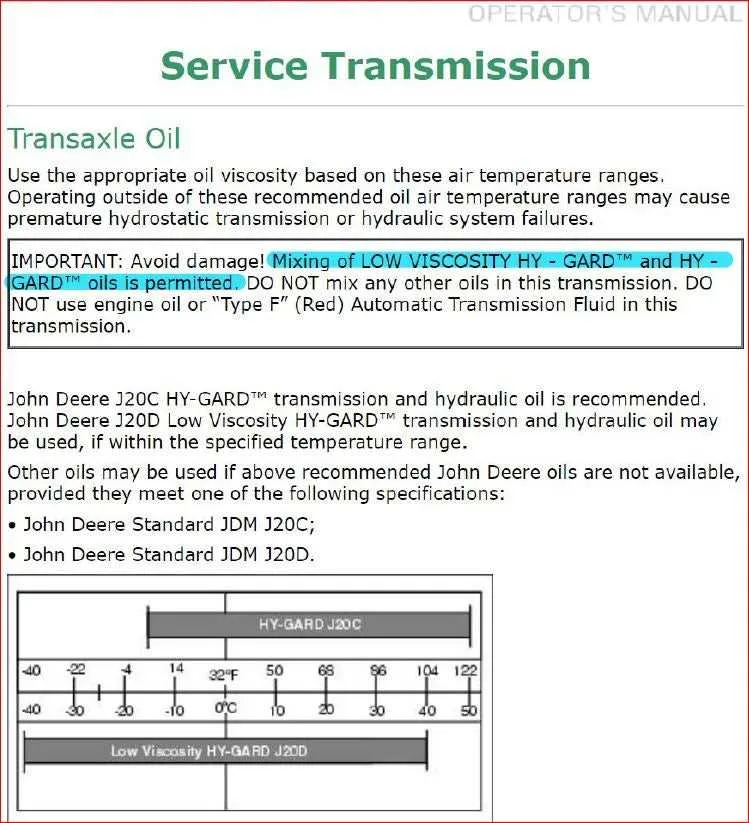
Low viscosity oils in John Deere machines should be used within a specific temperature range to ensure optimal performance. Typically, the recommended operating temperature range for low viscosity oils is between 40°F (4°C) and 100°F (38°C). Within this range, the oil maintains its flow properties, offering superior lubrication to critical engine components while minimizing wear.
At temperatures below 40°F (4°C), low viscosity oils may become too thick to circulate efficiently, reducing the effectiveness of lubrication and increasing the strain on engine parts. At temperatures above 100°F (38°C), the oil can break down more rapidly, losing its ability to provide adequate protection.
It is vital to monitor both ambient temperature and engine operating conditions to ensure that the oil operates within its ideal range. For machines used in colder climates, consider using engine block heaters or choosing oils formulated for low temperatures to prevent excessive strain during startup.
Maintaining the correct operating temperature range allows John Deere equipment to run smoothly, reduces fuel consumption, and extends the lifespan of both the oil and the engine.
How to Choose the Right Low Viscosity Oil for John Deere Equipment
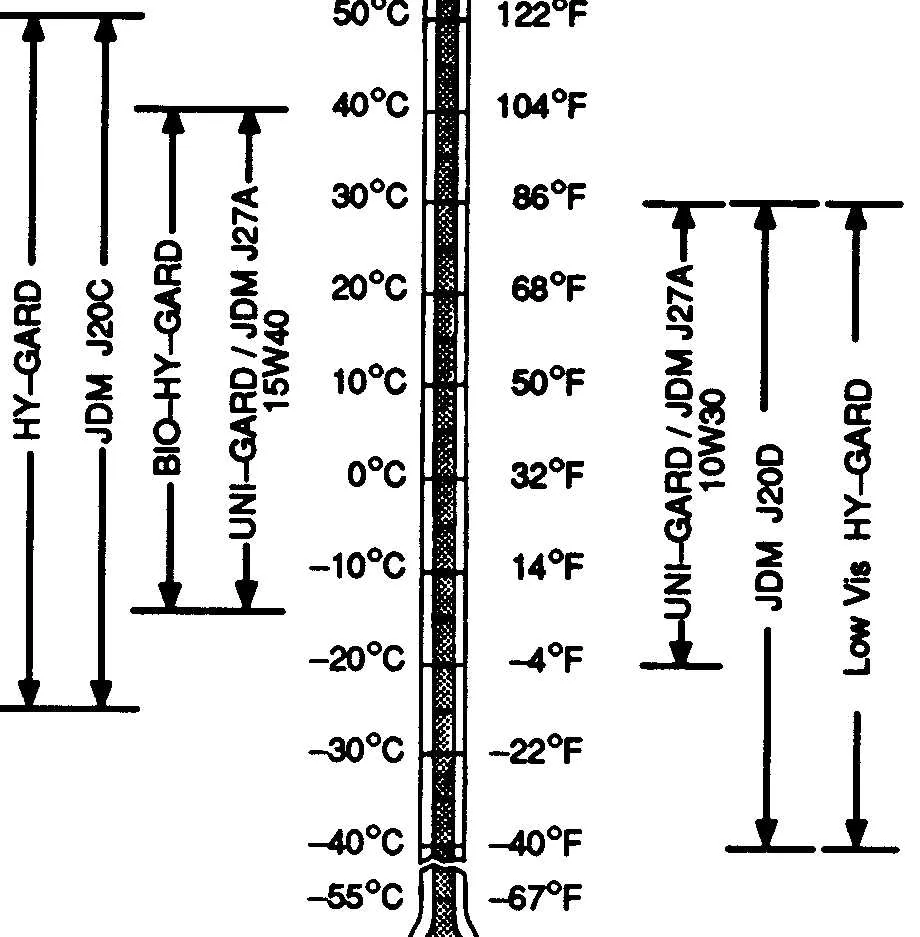
Selecting the correct low viscosity oil for your John Deere equipment is straightforward when you focus on specific parameters. Start by checking the manufacturer’s recommendations for oil types, which are often listed in the equipment’s manual. Pay attention to the viscosity grade, as it affects the oil’s flow characteristics at different temperatures.
For most John Deere machines, oils with a viscosity grade of 0W-30, 5W-30, or 10W-30 are commonly recommended. These oils perform well across various environmental conditions, ensuring smooth engine operation, especially in colder weather. It’s important to choose oil that matches the operating temperature range of your equipment.
Consider the engine’s specific needs, such as the load it typically handles. For high-performance engines or those that work under heavy load, synthetic low viscosity oils may offer superior protection against wear and heat buildup. Synthetic oils tend to maintain their performance over a wider temperature range and provide better protection during extreme conditions.
Ensure the oil you choose is compatible with the engine’s design. John Deere engines often require oils with specific additives that enhance protection against corrosion, rust, and sludge formation. Look for oils with approved certifications like API or ACEA to confirm compatibility.
Lastly, environmental factors such as the climate in which the equipment operates should guide your decision. In colder climates, oils with lower viscosity are ideal as they offer better startup performance. Warmer climates might require oils with slightly higher viscosity to maintain stable performance under heat.