John Deere 1725 Planter Specifications and Features Breakdown
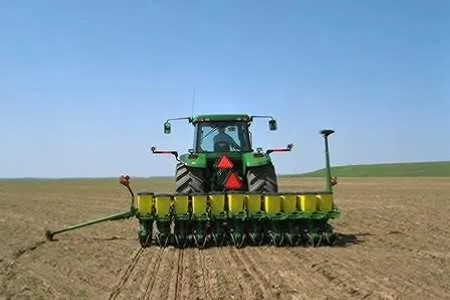
If you’re considering the John Deere 1725 planter for your farming needs, you’re in for a reliable and precise planting experience. This planter combines advanced technology with user-friendly design to deliver impressive performance across different crop types. The 1725 model features a 12-row configuration, making it ideal for medium to large-sized fields. It’s equipped with a robust seed delivery system that ensures accurate seed placement, which is key to maximizing yield potential.
The 1725 planter operates with a maximum working width of 30 feet, which enables quick coverage of larger areas. With adjustable row units, you can easily switch between crops, optimizing seed depth and spacing. The unit also includes Precision Planting components, improving seed-to-soil contact and enhancing germination rates. One standout feature is the ExactEmerge technology, which provides high-speed planting without compromising seed accuracy, perfect for those tight planting windows.
On the maintenance side, the John Deere 1725 is designed for easy upkeep, thanks to its simplified row-unit access and durable components. The planter also offers precise hydraulic controls, ensuring smooth adjustments during field operations. Whether you’re planting corn, soybeans, or other crops, this model provides the consistency you need for reliable harvests season after season.
John Deere 1725 Planter Specs
The John Deere 1725 Planter is a highly efficient and durable planting machine designed for row crop applications. It delivers consistent seed placement, excellent seed-to-soil contact, and high productivity for a variety of crops.
- Row Spacing: Adjustable from 15 to 30 inches, offering flexibility for different crops and planting configurations.
- Planting Width: Available in 6, 8, and 12-row configurations, making it suitable for both small and large operations.
- Max Seed Capacity: 2.5 bushels per row, with a total capacity that ensures fewer refills during planting.
- Seed Metering: Pro-Series HD row units with electric drive, ensuring precise seed placement with a range of seed types.
- Weight: Approx. 8,000 lbs (for the 12-row model), providing stability while still being easy to transport.
- Hydraulic Drive: Allows variable rate planting and offers more control over the seed planting depth and spacing.
- Precision Agriculture: Compatible with John Deere’s advanced Precision Planting technology, enabling automatic adjustment of planting rates and field data tracking.
The 1725 planter’s design emphasizes ease of use, with hydraulic folding for quick setup and breakdown. Its rugged frame and row units are built to withstand tough conditions, ensuring a long lifespan and reduced downtime.
For growers looking to enhance their planting efficiency, the John Deere 1725 offers significant improvements in seed accuracy and field adaptability, while reducing operational costs.
John Deere 1725 Planter Performance and Features
The John Deere 1725 planter delivers precise seed placement and consistent performance, ensuring high productivity in various soil types and field conditions. With its advanced seed-metering system, this model offers accurate planting depth and spacing, minimizing seed waste and optimizing crop yield.
Equipped with a ProSeries™ row unit, the 1725 efficiently handles high-speed planting, achieving better seed-to-soil contact. This feature improves seed germination rates and overall crop health. Additionally, the row unit’s ability to adjust automatically ensures uniform planting depth across uneven terrain, maximizing field coverage with minimal operator input.
Another standout feature is the Flex Fold frame design, which enhances maneuverability and ease of transport. The planter’s compact fold width is ideal for navigating narrow farm roads without compromising stability in the field. When it comes to durability, the high-quality construction of the John Deere 1725 allows for reduced maintenance costs, making it a reliable option for long-term use.
Its SectionCommand system improves accuracy by enabling automatic section control, preventing seed overlap and reducing input costs. The system is easily controlled via the Gen 4 CommandCenter, which offers intuitive controls and seamless integration with other John Deere machinery. The touchscreen interface makes adjustments and monitoring straightforward, enhancing user experience.
In terms of versatility, the John Deere 1725 planter excels in both conventional and no-till applications. Its precision ensures that it can plant a variety of crops with minimal soil disturbance, offering flexibility for different farming practices. Whether planting corn, soybeans, or other row crops, the 1725 can be adjusted to meet specific agronomic needs, making it a smart choice for a range of farming operations.
Adjusting Row Spacing and Seed Depth on John Deere 1725 Planter
To adjust row spacing on the John Deere 1725 planter, begin by loosening the locking bolts on the row unit frame. Use the adjustment mechanism to set the desired row spacing, which ranges from 15 to 36 inches. Once the correct spacing is achieved, tighten the bolts securely to hold the setting in place.
For seed depth adjustments, locate the depth control wheel on each row unit. Rotate the wheel to raise or lower the seed tube, ensuring the seed is planted at the correct depth. The recommended planting depth is 1.5 to 2 inches, depending on soil conditions and seed type. After adjusting, check the depth across multiple rows to ensure uniformity.
Regularly inspect the row unit for wear and tear, especially the gauge wheels and seed discs, as they affect both row spacing and seed depth. Make sure the wheels are properly aligned and the discs are sharp to maintain consistent planting accuracy.
After making adjustments, perform a test run to confirm proper seed placement and spacing. If needed, fine-tune the settings for optimal planting performance.
Maintenance Requirements for John Deere 1725 Planter
Check and grease the seed meter drive regularly. Inspect the drive chain for wear and ensure it operates smoothly. Replace any worn-out sprockets to prevent uneven seed planting.
Keep the row units free from dirt and debris. After each use, clean the units thoroughly to avoid blockage in the seed tubes. This will maintain consistent seed flow and prevent damage.
Inspect the opener disks for wear. If the disks show signs of excessive wear, replace them to ensure proper seed trench formation. Proper trench depth is critical for seed placement.
Monitor the seed depth gauge wheels. Adjust them to maintain the correct seed depth across various soil conditions. This helps with uniform seed emergence.
Ensure that the hydraulic system is in good condition. Check hoses and fittings for leaks. Regularly replace hydraulic filters and keep the system filled with the correct fluid to prevent overheating and excessive wear on components.
Lubricate the planter’s moving parts at regular intervals. Follow the manufacturer’s recommended grease points and avoid over-lubricating to prevent buildup of dirt and debris.
Inspect the gauge wheels for proper alignment. Misalignment can cause uneven planting depth and affect crop yields.
Check tire pressure on all planter wheels. Proper inflation is key to keeping the planter stable during operation and preventing unnecessary wear.
Verify the accuracy of the seed singulation system. Make adjustments as needed to ensure precise seed spacing, which directly impacts crop performance.
Finally, check the planter’s overall frame for signs of stress or damage. Ensure all bolts and fasteners are tight, and address any cracks or bends before use to avoid operational issues.