John Deere 915 Ripper Specifications and Performance Details
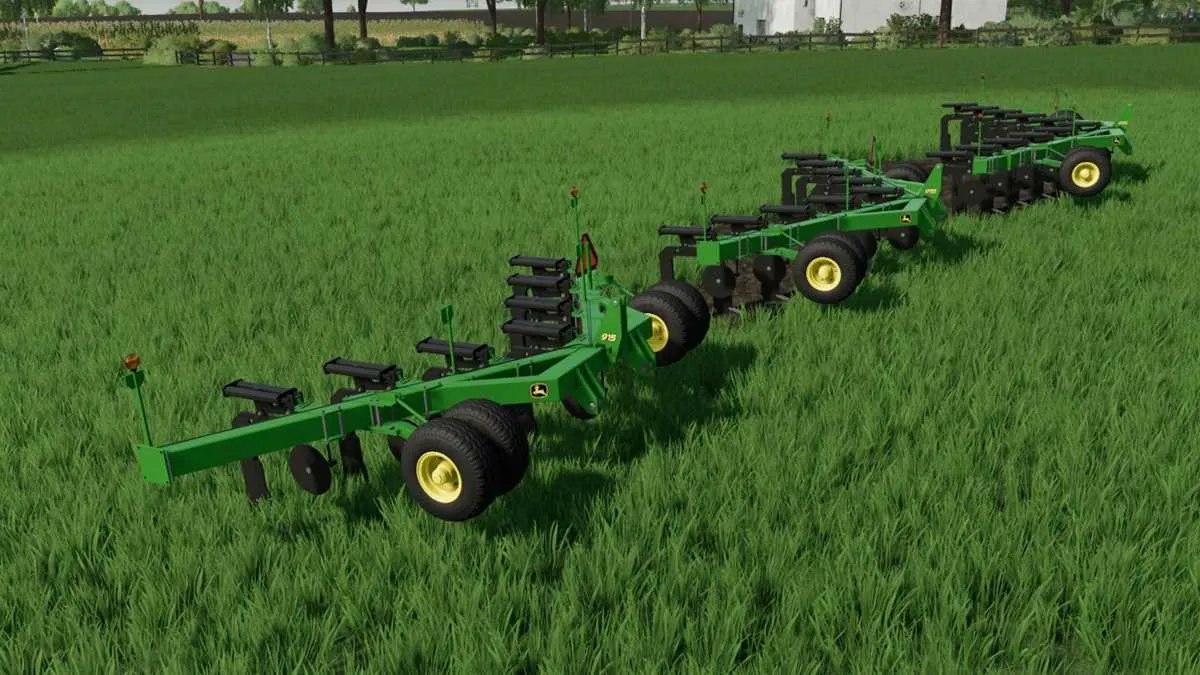
The John Deere 915 Ripper is designed for heavy-duty soil preparation, offering durability and efficiency for large-scale farming operations. Equipped with advanced features, it delivers powerful performance for tasks like deep tillage and soil aeration. This ripper is ideal for loosening compacted soils, improving water infiltration, and preparing fields for planting.
With its adjustable depth settings, the John Deere 915 allows users to customize working conditions for various soil types. Its robust frame ensures stability during operation, even in tough conditions. The ripper’s tines are engineered for durability, offering prolonged life and minimal wear even when used in harsh environments.
For operators seeking optimal productivity, the 915 Ripper can be easily adjusted to meet specific needs, making it a versatile tool in any agricultural setting. The machine’s reliability and ease of use make it a trusted choice for maximizing field preparation efficiency.
John Deere 915 Ripper Specifications
The John Deere 915 Ripper is engineered for deep tillage tasks. Its working depth ranges from 16 to 24 inches, allowing it to break compacted soil layers effectively. The machine’s width is customizable, with configurations available in 9 to 15 shanks, providing flexibility to match various field conditions and requirements.
The shank spacing is designed to optimize soil disturbance while minimizing power consumption. With a maximum working speed of 6 to 8 mph, it ensures efficient soil penetration without compromising on operational stability. The ripper’s frame is made from high-strength steel, ensuring durability and longevity under heavy use.
Equipped with a single-point depth control system, the John Deere 915 offers ease of adjustment. This feature allows operators to set and maintain consistent working depths, reducing the need for constant recalibration. The optional rear roller also helps to finish the soil surface after ripping, ensuring smooth and even soil texture.
Power requirements for the 915 Ripper range from 150 to 250 horsepower, depending on the configuration and soil conditions. This ensures compatibility with a variety of John Deere tractors and other equipment in its class. The ripper’s design reduces soil compaction and promotes better water infiltration, contributing to improved soil health and crop yields.
Ripper Configuration and Working Depth
The John Deere 915 Ripper features adjustable shanks, allowing operators to customize the working depth according to soil conditions and operational needs. The depth can range from 12 to 24 inches, with fine-tuned control for varying terrain types.
For optimal performance, adjust the shank position to match the field’s specific requirements. Shallow depths of 12-16 inches work well for light tillage or loosening compacted soil, while deeper settings from 18-24 inches are suitable for heavy soil disruption and root removal.
The Ripper’s frame is designed for stability, providing consistent depth across a wide range of conditions. Ensure the shank spacing is set appropriately for the type of soil being worked. For harder soils, narrower spacing can increase soil penetration force, while wider spacing reduces resistance and fuel consumption.
To maximize efficiency and prevent wear, it’s recommended to monitor the depth settings regularly during operation and adjust them based on the field’s response. Depth control is crucial for achieving the desired tillage effect without damaging the equipment.
Hydraulic System and Operating Pressure
The hydraulic system of the John Deere 915 ripper operates at an optimal pressure of 2,200 psi (pounds per square inch) for efficient performance during heavy-duty tasks. The system ensures smooth operation of the ripper’s various components, including the shanks, depth control, and the mainframe. The 915 model uses a high-flow hydraulic system to minimize downtime and ensure maximum productivity on the field.
To maintain ideal functionality, always ensure that the hydraulic fluid is clean and at the correct level. Contaminated fluid or low fluid levels can lead to poor hydraulic performance and potential damage to components. Regularly inspect hoses, fittings, and connections for any signs of wear, leaks, or damage, as these can cause pressure loss and reduce system efficiency.
The hydraulic pressure should be set and calibrated correctly for the ripper’s depth settings. Always refer to the operator’s manual for specific pressure adjustments when using different shank configurations or operating depths. Incorrect pressure settings can result in reduced digging power, compromised depth control, and increased fuel consumption.
Maintenance and Adjustments for Optimal Performance
Regularly inspect the hydraulic system for leaks and signs of wear. Clean filters and check the oil levels to ensure smooth operation. Replace any damaged seals promptly to avoid system failures.
Inspect the ripper teeth for wear. Replace or sharpen them as needed to maintain proper soil penetration. Ensure that all bolts and fasteners are tight to prevent vibrations that could lead to damage over time.
Adjust the working depth to match soil conditions. Shallow settings can lead to insufficient tilling, while too deep a setting can cause unnecessary wear and power loss. Refer to the user manual for optimal depth settings based on soil type.
Grease moving parts regularly. This includes the frame, ripper shanks, and any pivot points. Use the recommended grease for the John Deere 915 to ensure smooth movement and reduce friction.
- Check the shank and frame for cracks or other damage. Repair or replace components before use.
- Inspect hydraulic hoses for signs of wear or damage. Replace as needed to prevent leaks and loss of pressure.
- Regularly monitor the machine’s operating temperature. Overheating may indicate blocked radiators or insufficient coolant levels.
- Clean the ripper after each use to prevent dirt buildup and corrosion.
Adjust the depth control system periodically to ensure the machine operates within the desired range. Calibration may be necessary if the ripper’s depth fluctuates unexpectedly during operation.
Inspect the tires for wear and ensure proper inflation. Uneven tire pressure can affect the ripper’s alignment and performance, leading to uneven soil cutting.