John Deere Hydraulic Fluid Specifications and Requirements
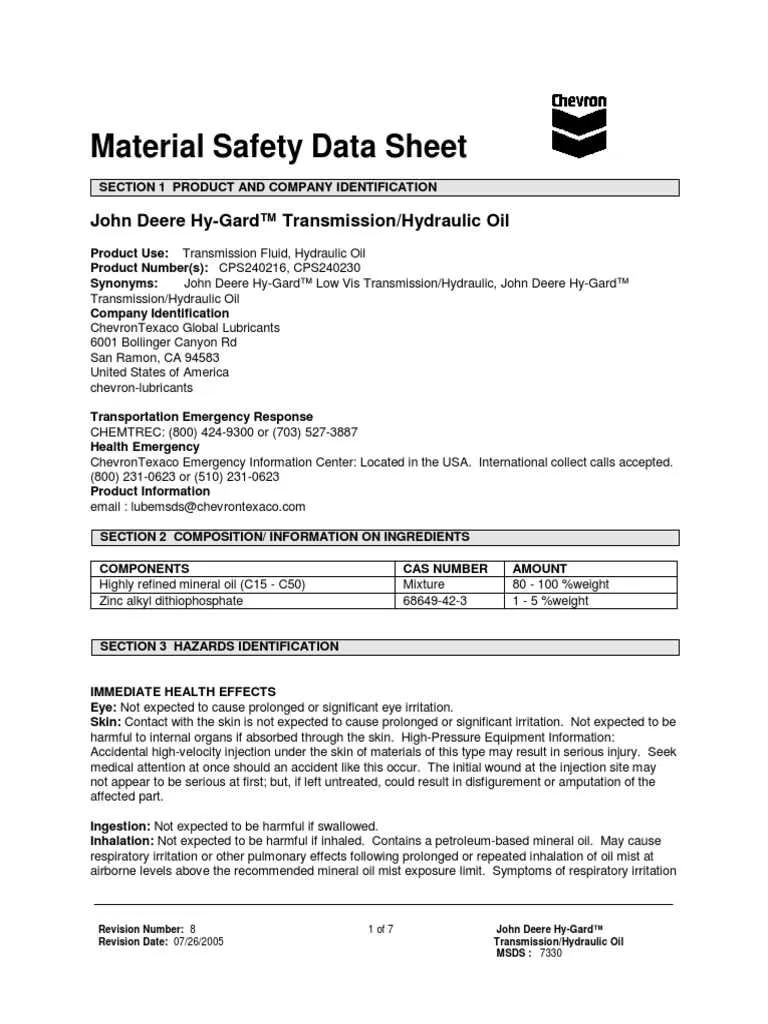
The correct hydraulic fluid is key to maintaining the performance of your John Deere equipment. Always ensure you’re using a fluid that meets the required specifications to avoid costly repairs and maintain operational efficiency. John Deere recommends using their own branded hydraulic fluids or fluids that meet JDQ-50, JDQ-10, and Hy-Gard standards for optimal results.
The JD Hy-Gard fluid is the most common recommendation for hydraulic systems, including transmission and drive systems. It is specifically formulated to meet the unique needs of John Deere machinery, offering excellent wear protection and maintaining high thermal stability in both extreme temperatures.
If your machine is used in colder climates, consider the multi-viscosity fluids such as J20C or J20D to ensure proper performance during temperature fluctuations. The viscosity grade of the fluid must match the operating conditions, as too high or low a viscosity can negatively impact the system’s efficiency and the longevity of the components.
John Deere Hydraulic Fluid Specifications
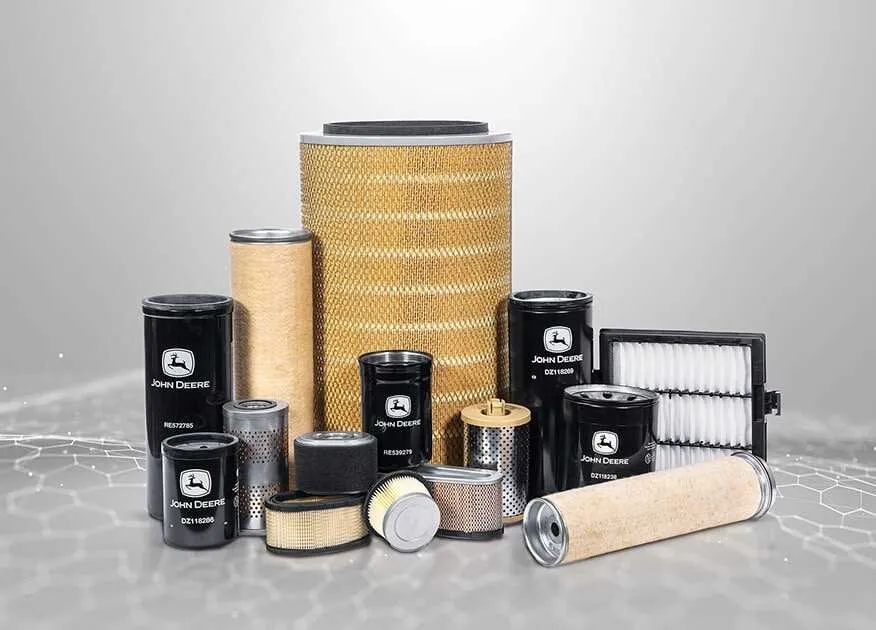
Use only John Deere-approved hydraulic fluids to ensure optimal performance and longevity of your equipment. The recommended fluid for most John Deere machines is the John Deere Hy-Gard, which meets or exceeds the specifications for both the hydraulic and transmission systems.
John Deere Hy-Gard fluid should comply with ISO 46 or 68 grade viscosity at operating temperatures. The fluid is designed to function in a wide range of temperatures, providing reliable operation from low to high-performance environments. Ensure the fluid meets the J20C or J20D specifications for compatibility with John Deere equipment.
When replacing hydraulic fluid, always use fresh fluid and avoid mixing with other types of oil. Contamination can lead to decreased efficiency or even damage the hydraulic system. Replace the hydraulic fluid regularly according to the maintenance schedule outlined in the equipment manual.
Pay close attention to the temperature range of the fluid, as it plays a key role in system performance. For colder climates, John Deere also offers specialized low-temperature versions of Hy-Gard, which prevent the fluid from thickening during colder weather, ensuring smooth operation even in freezing conditions.
Choosing the Right Hydraulic Fluid for John Deere Equipment
For optimal performance and longevity of your John Deere equipment, selecting the right hydraulic fluid is critical. Use only fluids that meet the specifications outlined in your equipment’s manual. John Deere recommends using fluids such as the John Deere Hy-Gard or other fluids that meet the JDM J20C or J20D specifications for best results.
Check the fluid’s viscosity rating before making a purchase. The correct viscosity ensures proper fluid flow and effective operation under varying temperature conditions. John Deere equipment typically requires a fluid with a high viscosity index to perform well in both hot and cold climates.
Regularly monitor fluid levels and replace fluid as recommended by the manufacturer. Hydraulic fluid can break down over time, losing its ability to lubricate and protect the system. Replacing fluid at regular intervals prevents premature wear and tear on the hydraulic components, avoiding costly repairs.
Ensure that the hydraulic fluid is free from contaminants. Contaminated fluid can clog filters and cause malfunctions in your John Deere equipment. Use filters designed for your model to keep the fluid clean, and inspect fluid for particles or discoloration regularly.
Always use John Deere-approved hydraulic fluids to maintain warranty coverage. Using incorrect or incompatible fluids could lead to warranty voids, and may even cause equipment damage.
Compatibility and Performance of John Deere Hydraulic Fluids
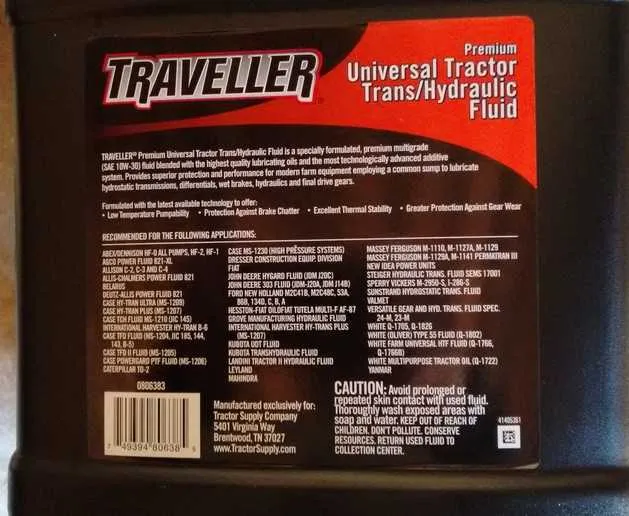
John Deere hydraulic fluids are engineered to provide optimal performance for their equipment, ensuring smooth operation and longevity. These fluids meet the specifications required for maximum compatibility with John Deere’s hydraulic systems. Using the correct fluid type guarantees the integrity of seals, valves, and pumps within the hydraulic system.
For John Deere tractors and equipment, it’s crucial to use fluids that are designed to handle both high and low temperatures effectively. Fluids such as John Deere Hy-Gard offer superior anti-wear properties, reducing wear on hydraulic components while maintaining efficiency during heavy-duty tasks.
Compatibility with seals and components is a priority, as improper fluid can lead to degradation and premature failures. Ensure you use fluids that align with John Deere’s specifications to avoid damage to the hydraulic system and maintain optimal fluid pressure. Always refer to the equipment manual for the recommended fluid type and viscosity.
Performance is enhanced by the fluid’s ability to resist foaming, oxidation, and breakdown over time. High-quality John Deere hydraulic fluids are designed to remain stable, even under extreme conditions, to support consistent performance across various applications.
Maintaining and Replacing Hydraulic Fluid in John Deere Tractors
Regularly check hydraulic fluid levels to prevent damage to the system. Ensure fluid is clean and free from contaminants. For John Deere tractors, follow the manufacturer’s recommended intervals for fluid replacement. Always use the specified fluid type to maintain system performance.
Here’s how to maintain hydraulic fluid in your John Deere tractor:
- Inspect fluid levels regularly. Low fluid can cause system failure.
- Check for signs of contamination. If the fluid appears cloudy or has an unusual odor, it needs replacing.
- Monitor for leaks. Address any signs of leakage immediately to avoid fluid loss and system damage.
When replacing hydraulic fluid, follow these steps:
- Drain the old fluid completely to prevent mixing with new fluid.
- Replace any filters as recommended in your tractor’s maintenance manual.
- Refill with the appropriate hydraulic fluid, ensuring the correct fluid level is achieved.
- Run the system briefly and check for leaks or irregularities.
- Dispose of old fluid properly according to local regulations.
Hydraulic fluid replacement is crucial for maintaining smooth operation and preventing wear on the hydraulic components.