John Deere Class 10 Combine Specifications and Key Features Overview
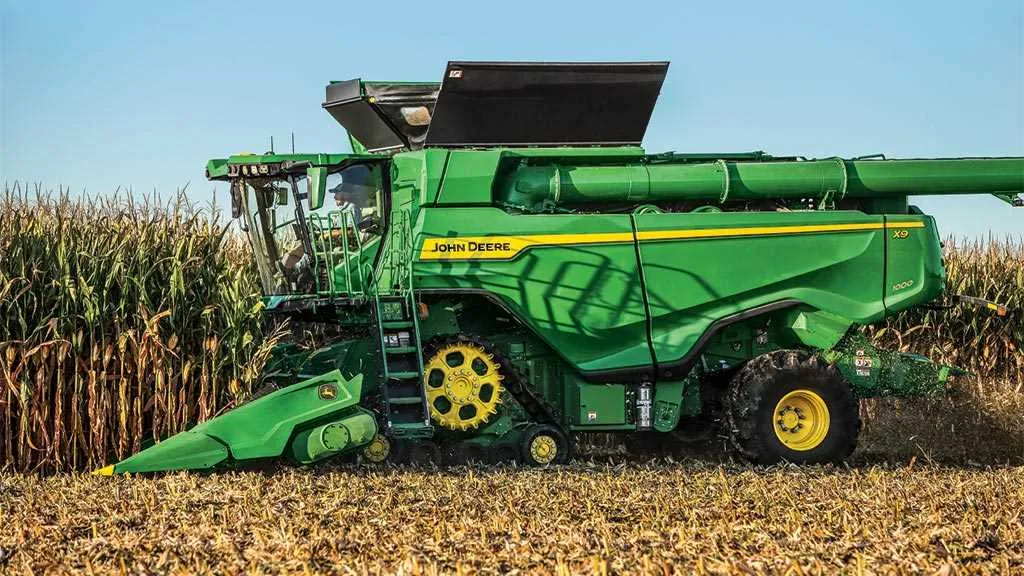
If you’re looking for a powerful and efficient harvesting solution, the John Deere Class 10 combine delivers performance that stands out in the field. With its advanced technology and robust engine options, it’s built to handle large-scale operations with ease, improving productivity while ensuring lower fuel consumption. The machine is designed to tackle demanding conditions and offer a seamless harvest process from start to finish.
The combine features a high-capacity threshing system, ensuring excellent grain separation even in challenging crop conditions. The engine options available for this model provide impressive horsepower, allowing for increased throughput. The machine is equipped with a Turbocharged 9.0L engine, delivering up to 470 hp, offering the ideal balance between power and fuel efficiency. The active yield monitoring system keeps track of grain flow, adjusting performance in real-time for optimal results.
For operators, the John Deere Class 10 combines ease of use with exceptional visibility and comfort. The redesigned cab features an intuitive touchscreen display, giving full control over settings like grain tank levels, engine performance, and more. The Hydraulic Drive System ensures precise control and consistent cutting speed, contributing to the machine’s smooth operation during harvest.
Thanks to the innovative DriveTrain technology, power is efficiently transferred from the engine to the wheels and header, maximizing overall efficiency. The combine is equipped with a large grain tank and efficient unloading system, reducing downtime between loads. This model is engineered for high uptime and lower maintenance, offering operators a dependable solution season after season.
John Deere Class 10 Combine Specs
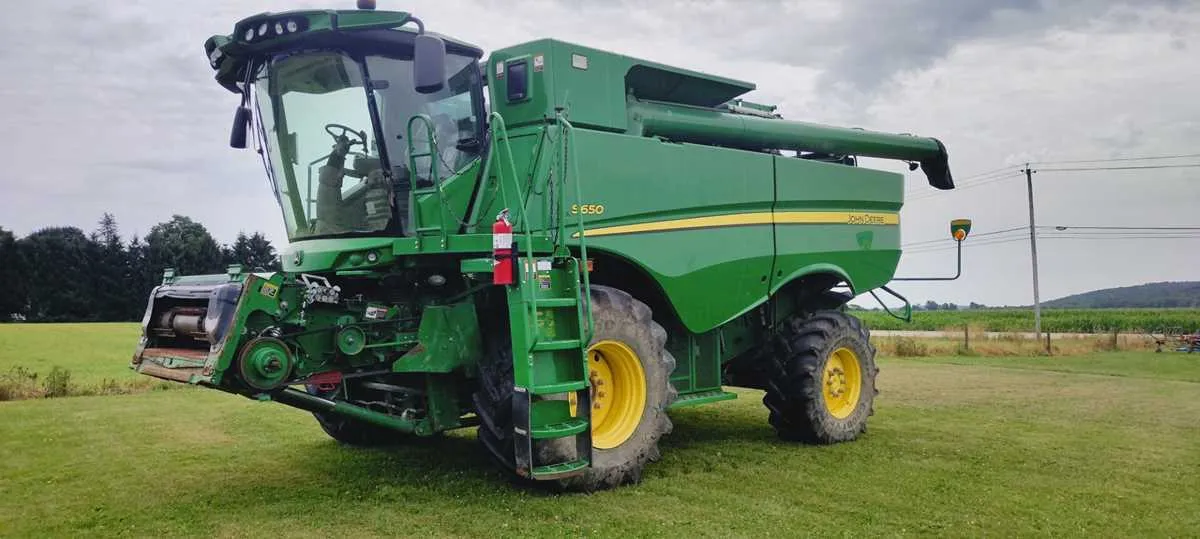
The John Deere Class 10 combines are engineered for high performance and durability. They deliver impressive results in large-scale farming operations. Here are the key specifications to consider:
- Engine Power: Equipped with a 13.6L 6-cylinder engine, delivering up to 653 horsepower, ensuring optimal power even in challenging conditions.
- Grain Tank Capacity: With a 450 bushel capacity, this model supports longer working hours without frequent unloading, boosting productivity.
- Thresher System: The Class 10 combines feature a Twin Rotor system, offering enhanced separation and reduced grain loss, even in dense crops.
- Cutting Width: The header cutting width ranges up to 45 feet, ensuring wide swath coverage and efficient harvesting.
- Hydraulic System: A powerful hydraulic system, offering flow rates up to 80 GPM, supports high-speed adjustments and smooth operation during harvesting.
- Cab Features: The spacious cab is equipped with a CommandCenter display, ergonomic controls, and enhanced visibility to improve comfort and reduce operator fatigue.
- Auger Reach: A 30-foot unload auger ensures quick unloading, allowing for fast turnaround times between fields.
- Field Efficiency: Thanks to advanced technology and integrated sensors, the combine maximizes fuel efficiency, delivering savings over extended operations.
This model is designed for farmers seeking high productivity with minimal downtime, offering a reliable, robust harvesting solution for demanding operations.
Engine and Powertrain Features of John Deere Class 10 Combine
The John Deere Class 10 combine is equipped with a 13.5L PowerTech™ PSS engine, delivering up to 600 horsepower. This robust engine allows operators to handle large acreage with ease, ensuring maximum productivity in demanding conditions.
With more than 2,500 lb-ft of torque, the engine provides consistent power for faster harvesting speeds, even in dense or tough crops. The variable speed drive system automatically adjusts power delivery, optimizing fuel efficiency and minimizing wear on critical components.
The electronic fuel injection system enhances fuel efficiency, improving overall engine performance. It also reduces exhaust emissions, aligning with modern environmental standards. A selective catalytic reduction (SCR) system further helps in cutting down nitrogen oxide (NOx) emissions.
The powertrain incorporates the CommandDrive™ system, offering automatic power transfer between the combine’s drive wheels and header. This system maintains optimal balance between power distribution and fuel consumption. Operators will notice smoother transitions during field turns and fewer instances of power loss.
With a hydrostatic transmission, the combine delivers precise control over speed and acceleration, making it easier to manage varying terrain. The transmission is designed for durability, capable of handling high power outputs under heavy loads, ensuring long-lasting performance without frequent repairs.
The powertrain also features an integrated final drive system, which enhances power delivery to the wheels, ensuring smooth operation in both wet and dry conditions. The combine’s ability to maintain consistent power to all four wheels contributes to excellent traction and stability across diverse field conditions.
Harvesting Capacity and Performance Metrics of the Class 10 Combine
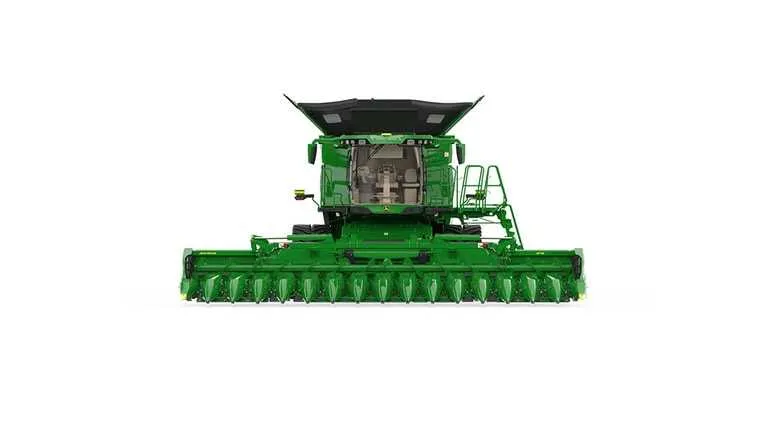
The John Deere Class 10 combine offers remarkable harvesting capacity with its optimized features designed for high-efficiency operations. It can process up to 14,000 bushels per day, depending on crop conditions and field size. This is made possible by its advanced engine and larger header, which provide consistent power for uninterrupted harvesting.
In terms of cutting width, the Class 10 combines come equipped with up to a 45-foot header, enabling operators to cover more ground per pass. The larger width translates into fewer passes and higher throughput. The combine’s grain handling system is also designed to keep pace, with a grain tank capacity of 400 bushels, ensuring longer periods of operation without the need to unload.
The combine’s performance is enhanced by its upgraded cleaning system, which uses a 4-speed fan and advanced sieving technology. This allows for a more uniform separation of grains from chaff, minimizing losses during the harvesting process. In addition, the built-in moisture sensor offers real-time adjustments, ensuring that harvested crops maintain optimal quality.
Fuel efficiency is another key performance indicator of the Class 10. With its engine boasting up to 673 horsepower, it balances power with fuel consumption, offering significant savings over time. The machine also features automated systems that adjust speed and header height based on crop conditions, further maximizing fuel efficiency and reducing operator strain.
Operators will appreciate the intuitive CommandCenter display, which provides detailed performance data. This includes real-time statistics on throughput, loss monitoring, and fuel efficiency, enabling timely adjustments for optimal results in various field conditions.
Maintenance and Serviceability of John Deere Class 10 Combine
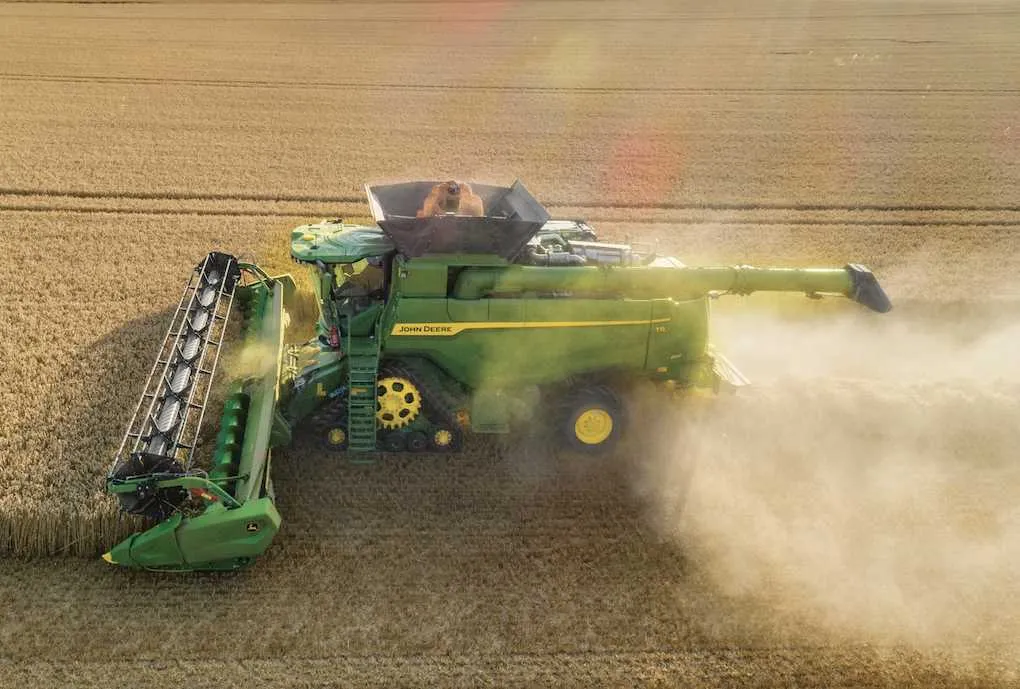
To keep your John Deere Class 10 combine running smoothly, perform regular checks on key components like the engine, belts, and hydraulics. Start with daily inspections, ensuring the engine oil levels are adequate and the air filters are clean. If you notice any unusual sounds or vibrations, address them immediately to prevent costly repairs.
The engine is the heart of the combine, and regular maintenance is key to its longevity. Change the engine oil every 250 hours of operation or as specified in the user manual. Also, inspect the cooling system for leaks or blockages to avoid overheating issues during long hours of operation.
Keep the hydraulic system in top condition by checking the hydraulic fluid regularly. Low or contaminated fluid can affect performance, so make sure to top it up or replace it as needed. Hydraulic filters should be replaced every 500 hours or more often if working in harsh conditions.
The cleaning and maintenance of the threshing and separation systems are also important. Clean the combine’s threshing components and sieve regularly to avoid grain losses. Inspect the concaves and rotor for wear, and replace them if necessary to maintain peak performance during harvesting.
Belts and chains should be inspected for wear and proper tension. A loose or worn-out belt can affect the operation of key systems such as the feederhouse and unloaders. Replace them at the first signs of fraying or cracking to avoid delays during harvest time.
Every 500 hours, perform a detailed inspection of the combine’s drive system. Check the bearings, bushings, and seals for any signs of wear or damage. Lubricating all moving parts according to the service intervals outlined in the operator’s manual will minimize friction and prevent premature failures.
Lastly, ensure the software and diagnostic systems are up to date. Regular updates can optimize machine performance and fix any potential issues before they become major problems.