John Deere 6930 Engine Specifications and Performance Details
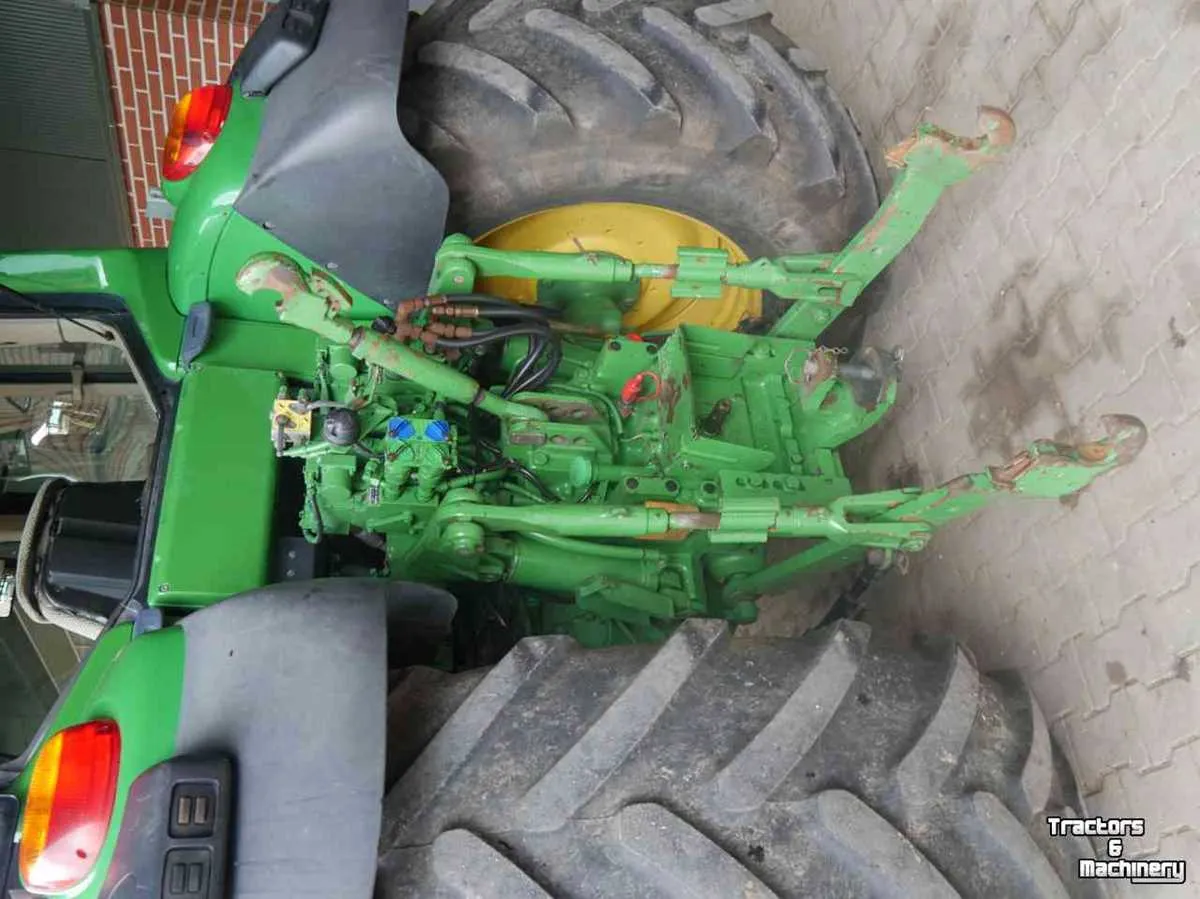
The John Deere 6930 is equipped with a powerful 6-cylinder engine that delivers impressive performance for various agricultural tasks. The engine is designed for durability and fuel efficiency, making it suitable for long hours of operation in demanding environments.
It features a 6.8L turbocharged engine, producing up to 155 horsepower, ensuring reliable power for both light and heavy-duty operations. The engine also incorporates a common rail fuel system, enhancing combustion efficiency and reducing emissions.
For optimal performance, the engine is paired with a PowerTech system, allowing for smooth transitions between power levels. This system provides precise control over the tractor’s power delivery, ensuring consistent and responsive performance in various conditions.
Regular maintenance of the engine is recommended to ensure long-term reliability. Checking the fuel system and cooling system regularly, along with timely oil changes, will keep the John Deere 6930 running at peak efficiency.
John Deere 6930 Engine Specifications
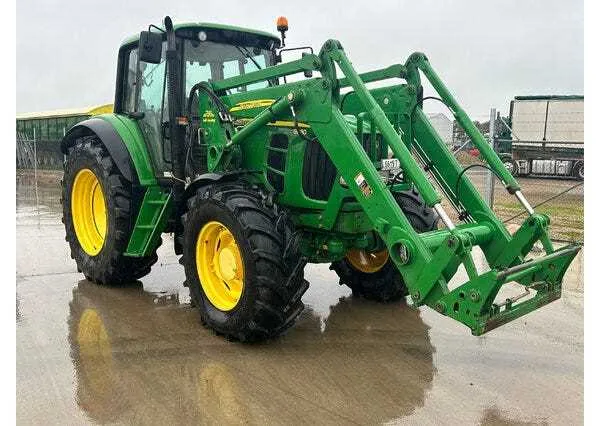
The John Deere 6930 is equipped with a 6.8L, 6-cylinder engine that delivers a reliable and consistent performance for various agricultural tasks. This engine features advanced technology, ensuring optimal power and fuel efficiency. It provides an output of up to 155 horsepower, with a peak torque of 660 Nm. This makes it suitable for both light and heavy-duty operations in the field.
The engine utilizes a high-pressure common rail fuel system, which contributes to better fuel atomization and combustion efficiency. The fuel tank has a capacity of 195 liters, ensuring long operating hours without the need for frequent refueling. The system is designed for easy maintenance, with accessible filters and service points.
- Engine Type: 6.8L, 6-cylinder turbocharged
- Horsepower: 155 HP
- Torque: 660 Nm
- Fuel System: Common rail high-pressure fuel injection
- Fuel Tank Capacity: 195 liters
- Emissions: Meets Stage IIIA emissions standards
The John Deere 6930 engine is designed for reliability and longevity, offering low fuel consumption even under load. Regular service intervals, coupled with easily accessible components, ensure that maintenance is straightforward, minimizing downtime for operators. For optimal performance, always use high-quality lubricants and follow the recommended maintenance schedule.
Engine Performance and Power Output
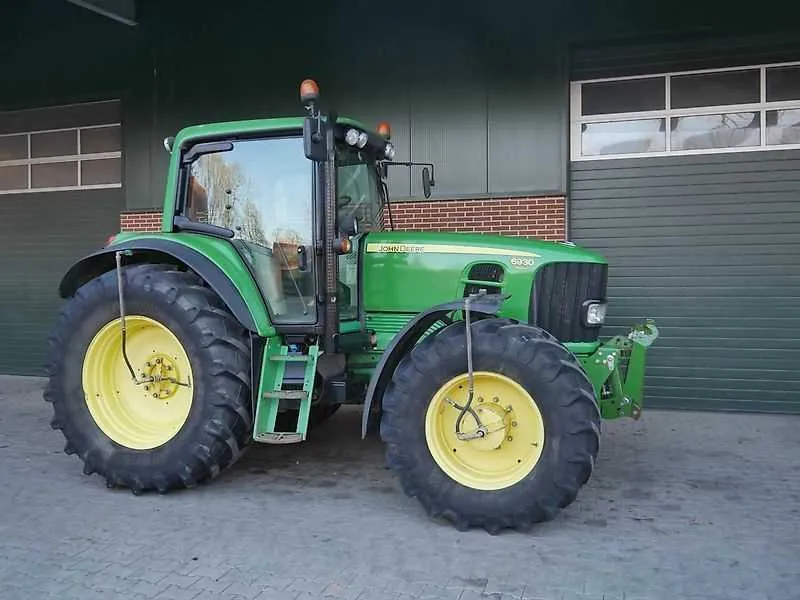
The John Deere 6930 is equipped with a 6.8L PowerTech Plus engine, capable of delivering a maximum power output of 155 horsepower. This engine provides consistent performance across various tasks, making it suitable for demanding agricultural operations. With an engine torque of 619 Nm, it offers excellent pulling power, ensuring smooth handling even in challenging conditions.
The engine is designed to maintain high efficiency, delivering optimal power while reducing fuel consumption. It is coupled with a high-capacity cooling system, which ensures that the engine performs reliably over long working hours without overheating. The engine’s fuel injection system further enhances fuel efficiency by precisely controlling fuel delivery to the combustion chamber.
With an operational range between 1600 to 2200 RPM, the John Deere 6930 delivers impressive torque, ensuring that the tractor remains responsive and efficient throughout the power band. The performance is further supported by the engine’s advanced filtration system, which reduces wear and prolongs engine life.
Fuel System and Consumption Rates
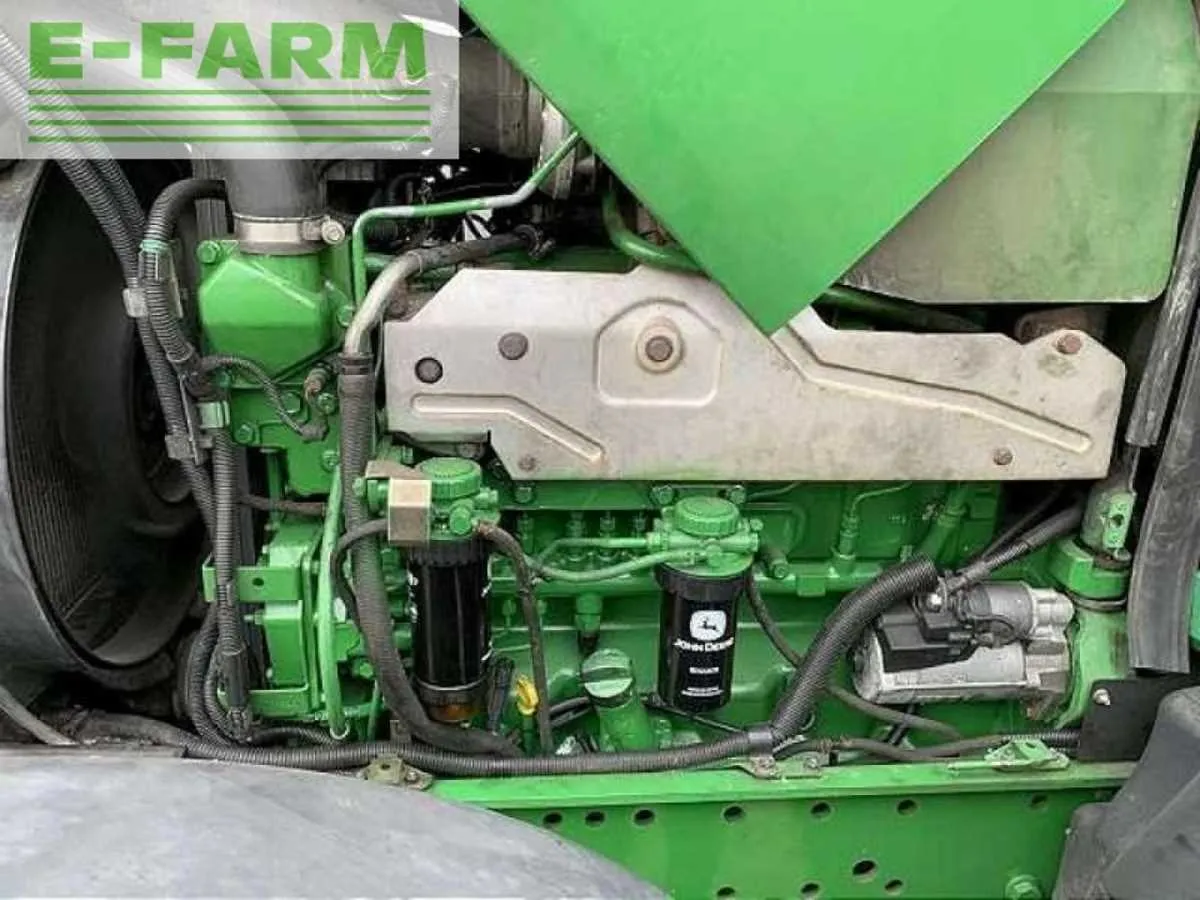
The John Deere 6930 is equipped with a well-designed fuel system that ensures optimal performance. The tractor uses a four-cylinder engine that efficiently handles both light and heavy-duty tasks. The fuel system is a common rail system, which enhances fuel atomization and combustion efficiency.
Fuel consumption for the John Deere 6930 varies based on operating conditions. On average, it consumes about 7 to 10 liters per hour under typical fieldwork conditions. The fuel tank capacity is 180 liters, providing the tractor with extended operational time between refuels. It’s designed to minimize downtime while maintaining power output.
For maximum fuel efficiency, it is recommended to operate at lower RPMs when performing light tasks and to adjust throttle settings based on load. Using high-quality diesel fuel also helps maintain the longevity and performance of the fuel system. Regular fuel filter checks ensure smooth operation and avoid clogging, which can affect fuel flow and consumption.
When working at full capacity, especially during heavy lifting or plowing, the fuel consumption can be higher. Under such conditions, consumption can reach up to 12 liters per hour. Monitoring fuel usage and adjusting tasks accordingly can lead to significant savings over time, especially in long-running operations.
Maintenance Requirements for the John Deere 6930 Engine
Regular oil changes are a must for the John Deere 6930 engine to ensure smooth operation. Replace engine oil and filter every 250 hours or at least once a year, whichever comes first. Use only high-quality oil recommended by the manufacturer to maintain optimal engine performance.
Inspect the fuel system regularly for any blockages or leaks. Clean or replace fuel filters every 500 hours to prevent engine performance issues. Always use clean, high-quality fuel to avoid contamination and damage to the fuel injection system.
The air filter should be checked every 100 hours and replaced as needed. A clogged or dirty air filter can reduce engine efficiency and lead to excessive fuel consumption. Ensure that the intake system is free from debris to maintain proper airflow.
Monitor the cooling system, including the radiator and coolant levels. Check coolant levels regularly and top up as required. Replace the coolant every 2 years or after 2,000 hours to prevent corrosion and ensure optimal cooling performance.
Inspect the engine belts and hoses every 250 hours for signs of wear. Replace any damaged or cracked belts immediately to avoid engine overheating or failure. Tighten loose belts to prevent unnecessary stress on the engine components.
Check the battery every 100 hours to ensure it is fully charged and free of corrosion. Clean the battery terminals and inspect the charging system for proper voltage output. Replace the battery when it shows signs of wear or fails to hold a charge.
Lubricate all moving engine parts as per the manufacturer’s guidelines to reduce friction and prevent excessive wear. Follow the recommended maintenance schedule for lubrication intervals to keep the engine running smoothly.