Engine Specifications of the John Deere 4230 Tractor and Its Performance Features
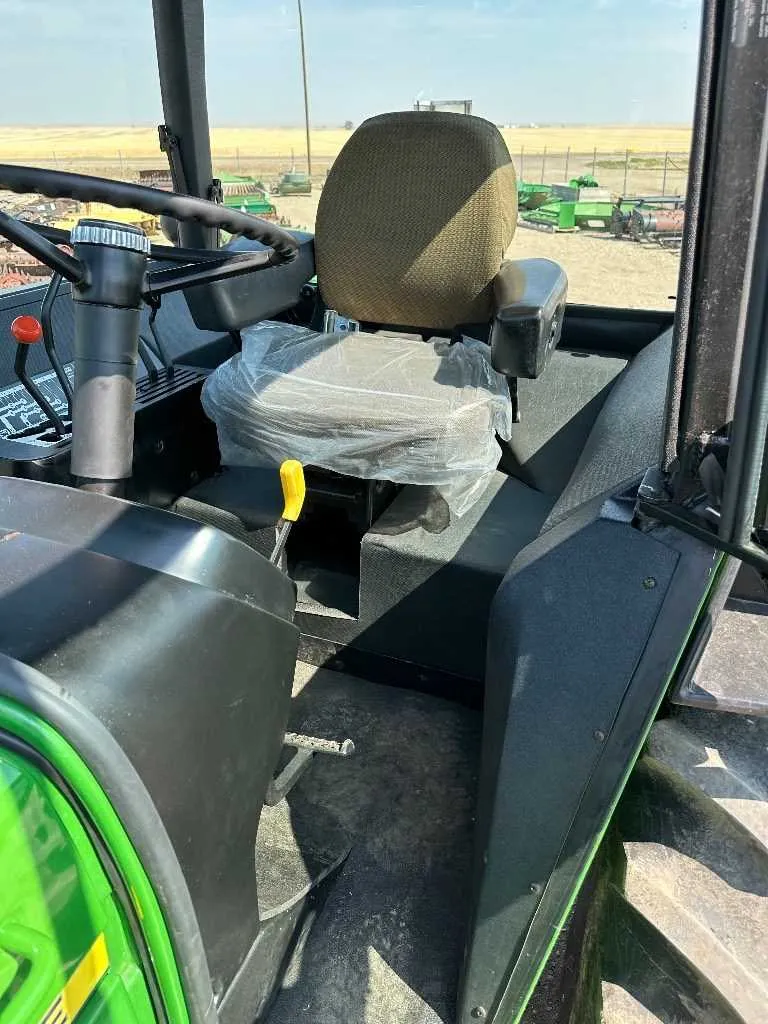
The John Deere 4230 tractor is powered by a robust engine designed to deliver reliable performance across a variety of tasks. The engine is a 6-cylinder, turbocharged unit, offering a displacement of 404 cubic inches (6.6 liters). It generates a maximum output of 95 horsepower, making it well-suited for heavy-duty agricultural operations, such as plowing, planting, and hauling.
With a 12-volt electrical system and an efficient fuel system, the 4230 ensures smooth operation, whether you’re working in the field or on the road. The engine is paired with a manual transmission, providing greater control over power delivery. The tractor also features a 23-gallon fuel tank, which supports extended working hours without frequent refueling.
The cooling system of the 4230 John Deere uses a radiator and fan system that helps maintain optimal engine temperatures even during extended use in hot conditions. Additionally, the tractor’s wet-sleeve cylinder design ensures long-term durability, reducing wear and tear on critical engine components.
For maintenance, the 4230 is designed with ease of access in mind, simplifying routine tasks like oil changes and filter replacements. This reduces downtime and ensures that the engine continues to perform at peak efficiency throughout its life cycle.
Engine Specs on a 4230 John Deere
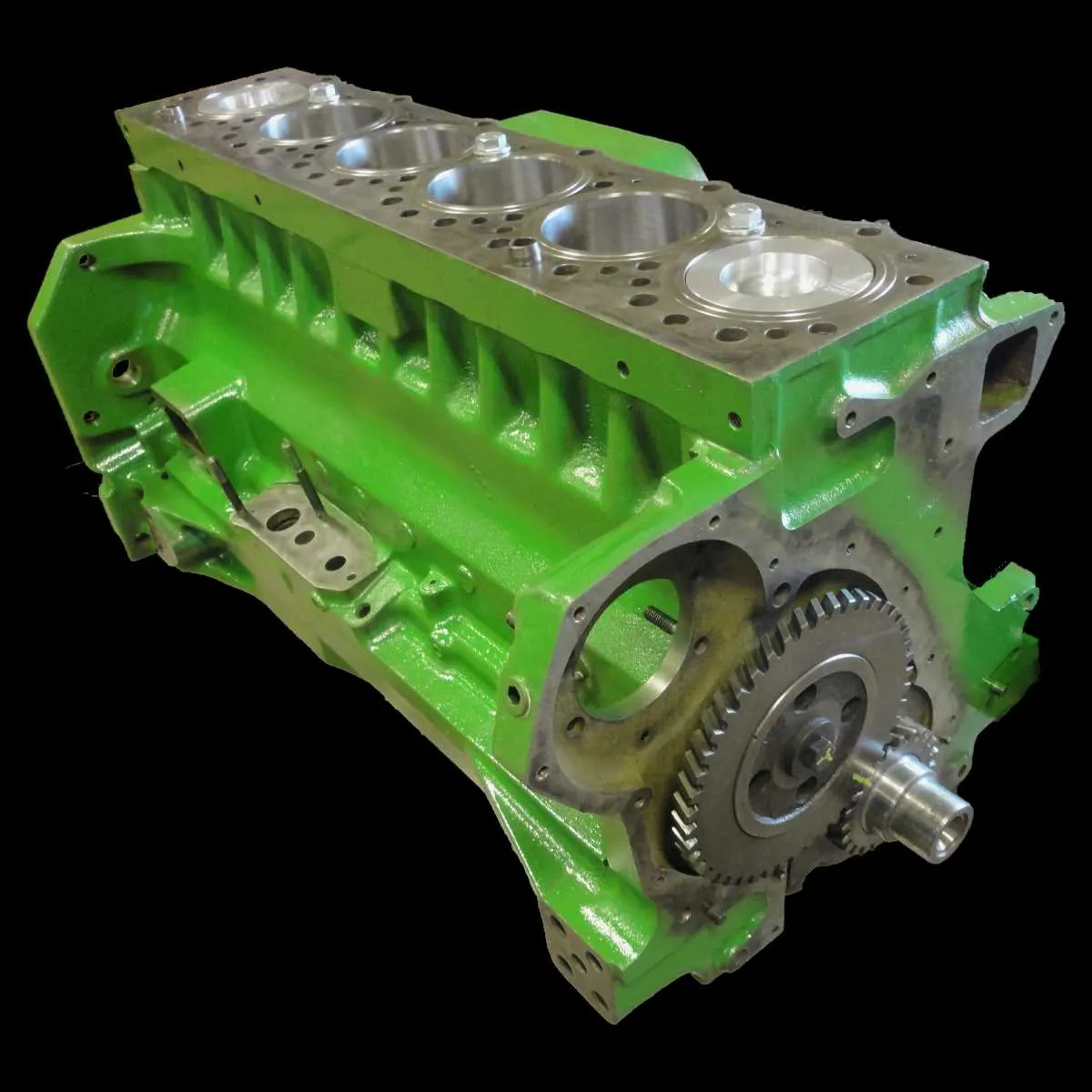
The John Deere 4230 is equipped with a 6-cylinder, in-line diesel engine. It delivers a reliable power output, making it suitable for various heavy-duty agricultural tasks.
The engine is powered by a turbocharged 404 cubic inch (6.6L) engine, which generates up to 97 horsepower at rated RPM. The engine’s fuel system is direct injection, providing better fuel efficiency and smoother operation compared to older models.
| Specification | Details |
|---|---|
| Engine Type | 6-Cylinder, In-line Diesel |
| Displacement | 404 cu in (6.6L) |
| Horsepower | 97 hp |
| Fuel System | Direct Injection |
| Rated RPM | 2200 RPM |
| Turbocharged | Yes |
The engine is designed to run smoothly under demanding loads, thanks to its turbocharging system. This setup enhances air intake efficiency, helping to boost performance during challenging conditions.
Maintenance for the 4230 engine is straightforward, with easy access to critical components. Regular oil changes, air filter replacement, and keeping the fuel system in top shape ensure long-term durability and reliability for operators.
Understanding the Engine Power and Torque of the 4230 John Deere
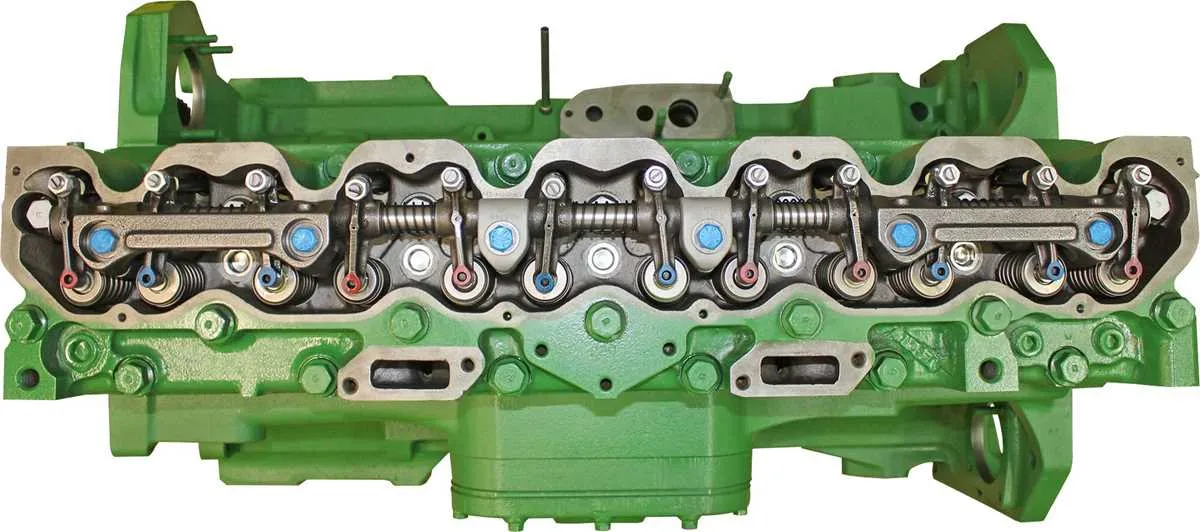
The 4230 John Deere’s engine delivers a solid performance, offering 95 horsepower at the PTO, which ensures effective power for a variety of agricultural tasks. Its 6-cylinder engine with a displacement of 404 cubic inches provides sufficient torque for handling tough conditions in the field.
The engine is designed to offer a balance between power and efficiency. It generates a peak torque of approximately 292 lb-ft at 1,400 rpm. This torque curve enables the 4230 to manage demanding implements with ease while maintaining fuel economy during extended work hours.
For optimal performance, consider the following:
- Power Delivery: The engine provides steady and consistent power. At rated speed (2,100 rpm), you’ll experience the full 95 hp output, which is ideal for tasks like tilling or pulling heavy loads.
- Torque Characteristics: With a broad torque curve, the 4230 ensures good low-end torque for improved start-up and pulling capabilities. The torque peak at 1,400 rpm gives it a clear advantage in fields that require high initial power.
- Fuel Efficiency: While the engine produces significant power, it manages fuel consumption efficiently. Proper maintenance of the fuel system and air filters maximizes performance while minimizing fuel use.
When utilizing the 4230, adjusting the throttle and transmission settings based on the type of task can enhance both power output and fuel efficiency. Regularly checking the engine’s cooling system and oil levels helps preserve the engine’s health, ensuring longevity and consistent performance.
Common Maintenance Practices for the 4230 Engine Performance
Regular oil changes are a must for maintaining smooth engine performance in the John Deere 4230. Replace the oil every 100 hours of operation or annually, whichever comes first. Using the right oil type, recommended by John Deere, helps prevent engine wear and improves fuel efficiency.
Check and replace the fuel filters regularly. Clogged fuel filters can restrict fuel flow, leading to reduced engine power. It’s recommended to change them every 500 hours of use or as needed, depending on operating conditions.
Inspect the air filters at least once a month or more frequently if working in dusty conditions. A clogged air filter reduces engine efficiency and can cause overheating. Clean or replace the filter to keep the intake system free of debris.
Ensure the cooling system is operating effectively by regularly checking coolant levels. Low coolant levels can cause engine overheating. Flush the radiator every two years to prevent corrosion and buildup, which could impede airflow and cooling capacity.
Examine the fuel injectors periodically for signs of wear or clogging. Faulty injectors can lead to poor engine performance and increased fuel consumption. Clean or replace them as necessary to maintain optimal fuel delivery.
Monitor the battery condition and connections. Clean corrosion off terminals and ensure the battery is securely mounted. A healthy battery ensures smooth engine start-up and proper operation of electrical components.
Inspect and lubricate the engine’s moving parts, including the valve lifters, push rods, and rocker arms. Regular lubrication prevents excessive wear and keeps the engine running quietly and efficiently.
Lastly, ensure the exhaust system is free from blockages. A clogged exhaust system can lead to poor engine performance and reduced power. Check for rust, leaks, or other signs of damage and repair or replace parts as needed.
How to Troubleshoot Engine Issues on the John Deere 4230
If your John Deere 4230 engine isn’t running smoothly, check the fuel system. Ensure that the fuel filter is clean and the fuel lines are not clogged. Replace the filter if it’s dirty. If the engine struggles to start, inspect the fuel injectors. Clogged or faulty injectors can cause rough starts and poor engine performance. You can clean or replace them as needed.
Next, check the battery and electrical system. A weak or dead battery can cause the engine to crank slowly or fail to start. Use a multimeter to test the battery voltage–anything below 12.5 volts may indicate a need for charging or replacement. Also, inspect the alternator and charging system to ensure proper voltage is being delivered to the battery during operation.
Inspect the air intake and filtration system. A dirty or blocked air filter reduces airflow, leading to poor engine performance and increased fuel consumption. Clean or replace the air filter as needed, especially if you’re operating in dusty conditions.
If the engine is misfiring or running rough, check the ignition system. Worn or faulty spark plugs can cause incomplete combustion, affecting performance. Replace spark plugs if they’re worn out or covered in carbon deposits.
Overheating can also impact engine function. Make sure the cooling system is working correctly by checking coolant levels and inspecting hoses for leaks or blockages. A clogged radiator can also prevent proper cooling, so keep it clean and free of debris.
Finally, assess the oil system. Low or dirty oil can lead to increased engine friction and damage. Check the oil level and condition regularly, and change the oil as recommended by the manufacturer.