John Deere 4 Trac Specifications and Key Features
The John Deere 4 Trac offers a robust solution for demanding agricultural tasks. Its 4-wheel drive system ensures superior traction on various terrains, making it ideal for large-scale farming operations.
Equipped with a powerful engine, the 4 Trac delivers reliable performance under heavy loads. The engine’s impressive horsepower allows for efficient use of attachments, from plows to seeders, without sacrificing power or stability.
Its advanced suspension system reduces operator fatigue, enhancing comfort during long hours of operation. The high-capacity hydraulic system ensures smooth operation of implements and attachments, further improving productivity in the field.
Designed with durability in mind, the 4 Trac features a reinforced frame and heavy-duty components that withstand harsh environments. The ease of maintenance also contributes to lower downtime, ensuring that the machine stays in top working condition season after season.
John Deere 4 Trac Specifications
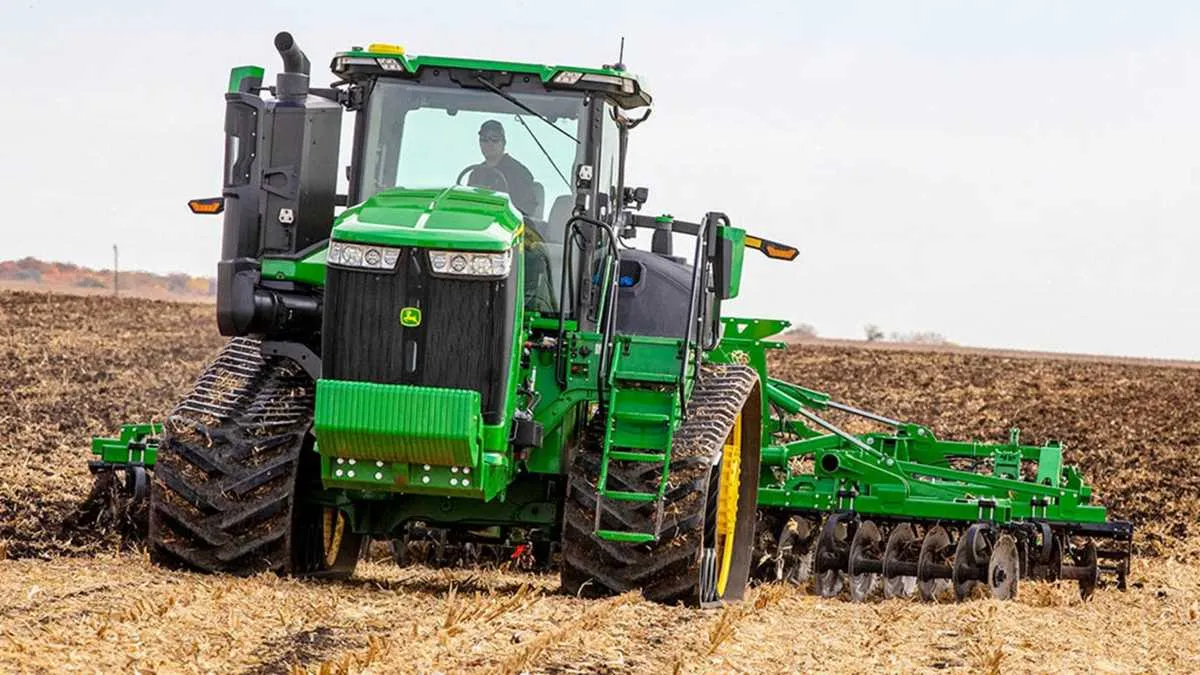
The John Deere 4 Trac is equipped with a range of powerful specifications designed for demanding tasks. Its robust performance is built around a 9.0L 6-cylinder turbocharged engine that produces up to 400 horsepower. This engine ensures high fuel efficiency while delivering the power needed for heavy-duty agricultural work.
The tractor features a unique 4-wheel-drive system, ensuring better traction on various terrains. It also incorporates four hydraulic drive motors, allowing for smoother operation and greater stability, especially when navigating hilly or muddy fields.
- Engine Type: 9.0L 6-cylinder turbocharged diesel engine
- Horsepower: 400 hp
- Transmission: Full Powershift transmission, 16 forward speeds and 4 reverse speeds
- Maximum Speed: 50 km/h (31 mph)
- Fuel Capacity: 400 liters (105.7 gallons)
- Hydraulic System: 160 L/min flow rate, with optional additional pumps for higher demands
- Wheelbase: 3,080 mm (121 inches)
- Turning Radius: 5.6 meters (18.4 feet)
Its 4-trac wheel system allows for excellent maneuverability, even in tight spaces. The fully independent suspension system on each wheel enhances operator comfort during long hours of use, ensuring reduced strain and improved overall control.
Another highlight is the tractor’s precision steering system, which supports GPS and other automated tools, boosting accuracy in planting, harvesting, and field management tasks.
Engine Performance and Power Output
The John Deere 4 Trac features a robust engine designed for heavy-duty tasks. It comes equipped with a powerful 9.0L 6-cylinder engine, providing up to 450 horsepower. This engine is capable of handling large-scale agricultural projects, ensuring consistent power delivery even under load.
With a torque rating of 1,500 Nm, the engine maintains excellent efficiency while working in demanding conditions. The high torque helps optimize fuel consumption, reducing downtime and maintenance costs. It’s engineered to maintain stability and reliability during long operational hours, whether in the field or on rough terrains.
The engine is paired with a variable transmission, allowing for smooth power transitions and precise control. This combination ensures that operators can adjust performance as needed without sacrificing fuel economy or engine lifespan. The 4 Trac’s engine excels in both productivity and fuel efficiency, making it a reliable choice for those seeking performance without compromising cost-effectiveness.
Hydraulic and Traction System Features
The John Deere 4 Trac utilizes a state-of-the-art hydraulic system that ensures optimal power delivery and performance. The system features high-flow pumps that provide precise control over implements, making it ideal for demanding tasks. The hydraulic power is seamlessly integrated into the tractor’s overall system, providing enhanced efficiency and responsiveness.
The tractor’s traction system is equipped with advanced four-wheel drive capabilities, designed for superior grip and stability on various terrains. The system automatically adjusts torque distribution between the front and rear wheels, ensuring maximum traction in both wet and dry conditions. This feature is especially beneficial when working on steep or uneven surfaces, as it maintains consistent power to all four wheels.
Additionally, the system includes a locking differential that optimizes traction when required. By locking the rear axles, it prevents wheel slip and enhances stability in low-traction environments. This is particularly useful in muddy, snowy, or rugged areas where conventional systems may struggle to maintain control.
For those requiring additional lifting power, the John Deere 4 Trac’s hydraulic system supports a range of implement attachments, from plows to seeders, providing versatility across various agricultural tasks. The hydraulic connections are designed for ease of use, minimizing downtime during operation.
Maintenance and Service Intervals
To keep your John Deere 4 Trac operating at peak performance, follow the manufacturer’s maintenance schedule closely. Regular maintenance prevents costly repairs and ensures the machine’s longevity.
Check the engine oil every 100 hours of operation. Replace the oil and filter every 200 hours or at least once a year. This helps maintain engine efficiency and avoid wear.
Inspect the air filters at regular intervals and clean or replace them as necessary. This ensures proper airflow to the engine and reduces the strain on components.
Hydraulic fluid and filter changes are critical for the hydraulic system’s health. Replace the hydraulic fluid every 1,000 hours and the filters every 500 hours.
Examine the drive belts and hoses every 500 hours or annually for wear, cracks, or damage. Replace them as needed to avoid unexpected breakdowns.
Check tire pressure regularly to maintain traction and prevent uneven tire wear. Adjust pressure based on the load and terrain.
Inspect and lubricate the machine’s moving parts, including the axles and steering components, every 250 hours. This reduces friction and extends the life of the parts.
Check fuel filters every 500 hours and replace them as necessary. Clean fuel lines to ensure optimal engine performance.
Keep the cooling system clean by checking the radiator for debris and ensuring the coolant level is adequate. Clean the radiator at least once every 500 hours or annually.
Lastly, inspect the battery every 100 hours for corrosion and charge levels. Clean terminals and ensure the battery is securely fastened to avoid electrical issues.