John Deere 323E Engine Specifications and Performance Details
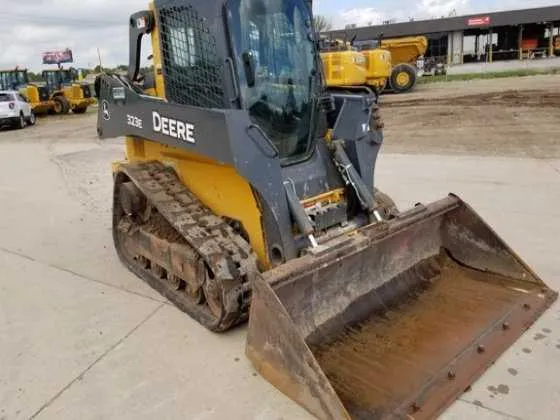
The John Deere 323E compact track loader is equipped with a powerful 2.4L Yanmar 4-cylinder diesel engine. This engine delivers 74.3 horsepower, making it suitable for demanding tasks on construction sites, landscaping, and agricultural operations. The engine’s design ensures a balance between performance and fuel efficiency, helping operators maximize productivity with minimal fuel consumption.
With a rated operating capacity of 2,300 lbs and a bucket breakout force of 7,860 lbs, the 323E engine is optimized for heavy-duty lifting and moving. The engine operates at a maximum torque of 210 ft-lbs at 1,400 RPM, ensuring reliable performance under load. The Tier 4 Final emissions certification also aligns with modern environmental standards, providing lower emissions while maintaining robust power delivery.
Equipped with a mechanical lift system, the John Deere 323E is capable of lifting and maneuvering materials with ease. The engine’s design integrates seamlessly with the hydraulics, offering smooth and efficient lifting capabilities. If you’re looking for a machine that combines power, reliability, and efficiency, the 323E is a solid choice for your next project.
John Deere 323E Specs Engine
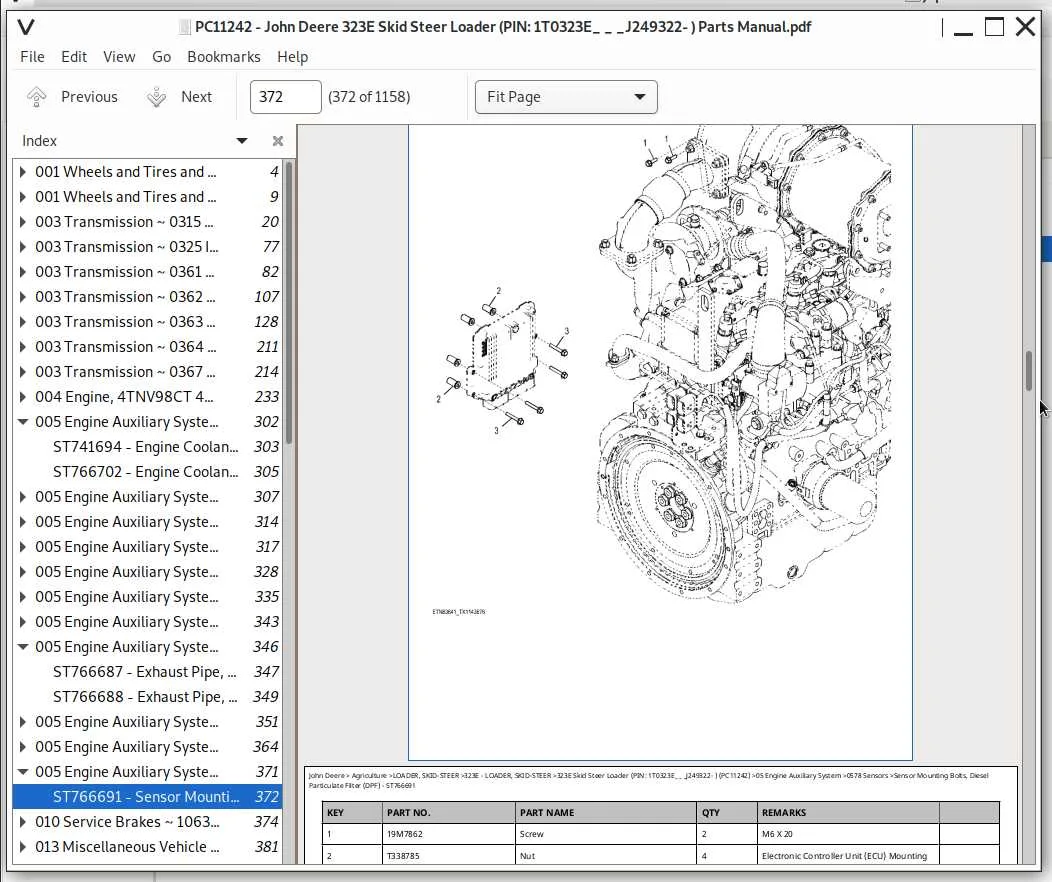
The John Deere 323E is equipped with a 2.4L, 4-cylinder turbocharged diesel engine. This engine provides impressive power for demanding tasks while maintaining fuel efficiency. It has a net power output of 74.3 horsepower (55.4 kW), ensuring the machine can handle a variety of attachments and terrains with ease.
- Engine type: 2.4L, 4-cylinder turbocharged diesel
- Horsepower: 74.3 hp (55.4 kW)
- Torque: 224 lb-ft (303 Nm)
- Fuel tank capacity: 24.6 gallons (93.2 liters)
- Cooling system: Liquid-cooled
- Emissions: Meets Tier 4 Final emissions standards
This engine provides the necessary torque and power for lifting, pushing, and digging operations. The 323E is designed for operators who need reliability and strength for heavy-duty tasks. With the Tier 4 Final engine, it balances power and environmental compliance efficiently.
For optimal performance, regular maintenance is essential. Keep the fuel and air filters clean, check oil levels, and ensure the cooling system is functioning properly to extend the engine’s lifespan. This attention to detail ensures the 323E continues to deliver reliable power on any job site.
Engine Performance and Horsepower of John Deere 323E
The John Deere 323E skid steer is equipped with a powerful 2.4L turbocharged diesel engine. This engine delivers 74.3 horsepower at 2,500 RPM, providing the necessary power for a wide range of tasks, from heavy lifting to maneuvering through tough terrain.
With a peak torque of 230 lb-ft, the engine ensures reliable performance even under challenging conditions. The turbocharged design enhances fuel efficiency, while maintaining consistent power output during prolonged operation. This feature is ideal for contractors who need sustained performance on long workdays.
The hydraulic system, powered by the engine, operates efficiently, with a rated operating capacity of 2,300 lbs and a tipping load of 4,600 lbs. The balance between engine power and hydraulics makes the 323E highly capable for lifting, grading, and handling materials.
In addition, the compact size of the John Deere 323E allows for excellent maneuverability, while the engine provides the necessary torque for quick acceleration and smooth operation in tight spaces. Whether it’s pushing or lifting, this skid steer offers reliable performance across different job sites.
Fuel Efficiency and Capacity in John Deere 323E Engine
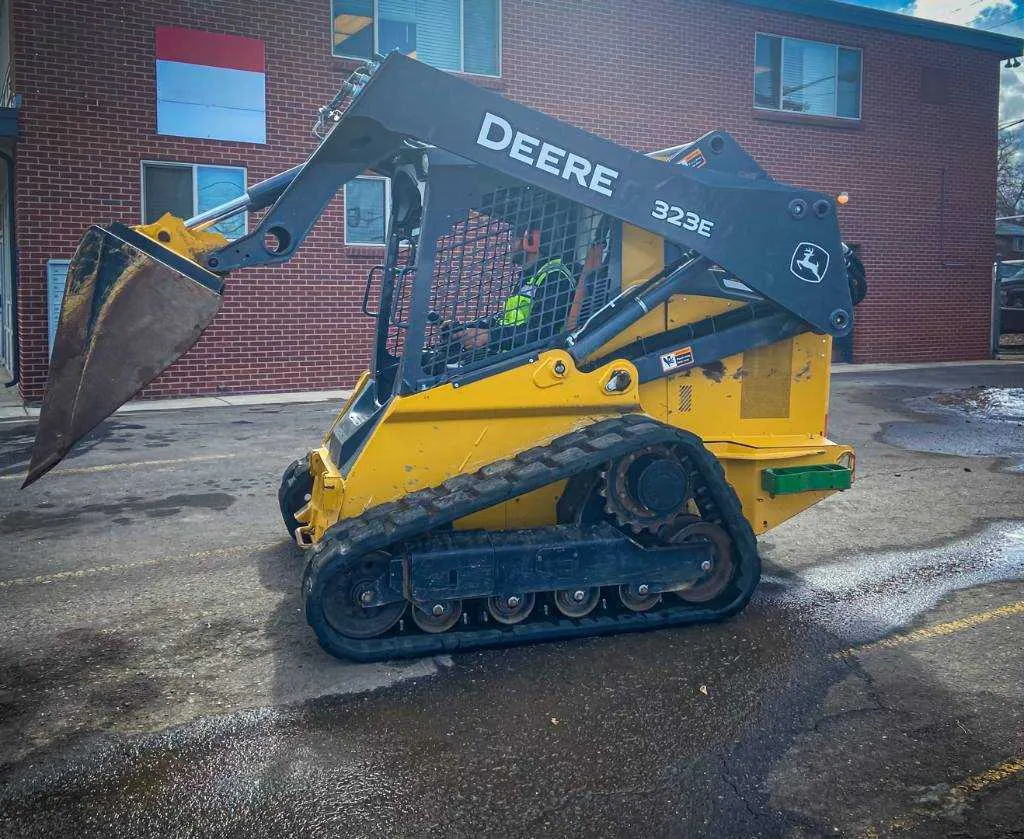
The John Deere 323E is designed with fuel efficiency in mind. Its engine uses advanced technology to reduce fuel consumption without sacrificing power. This results in a more cost-effective operation, especially for long hours of use on the job site.
The engine has a fuel tank capacity of 21.1 gallons (80 liters), allowing it to run for extended periods without frequent refueling. This capacity makes the 323E ideal for tasks that require continuous work, such as landscaping or construction projects.
The engine’s fuel efficiency is further optimized by its well-designed fuel injection system, which adjusts fuel flow based on the load and working conditions. This ensures that fuel is used efficiently, cutting down on unnecessary consumption.
The John Deere 323E also includes a high-performance cooling system, which helps maintain optimal engine temperature for better fuel economy. This system prevents overheating and ensures that the engine operates at its peak efficiency throughout the day.
| Feature | Specification |
|---|---|
| Fuel Tank Capacity | 21.1 gallons (80 liters) |
| Fuel Efficiency | Optimized for reduced consumption under various load conditions |
| Cooling System | Prevents overheating to maintain optimal efficiency |
Maintenance and Service Requirements for John Deere 323E Engine
Change the engine oil and replace the filter after every 500 hours of operation. Always use high-quality oil that meets John Deere specifications to ensure proper engine performance.
Check the air filter regularly and clean or replace it as needed. A clogged air filter can restrict airflow, leading to decreased engine efficiency and potential damage.
Inspect the coolant level and quality every 50 hours or before each season. Make sure the coolant mixture meets the required freeze protection level to avoid engine damage during cold weather.
Perform fuel system maintenance by checking the fuel filter every 500 hours. If you notice reduced engine performance, it may be a sign that the filter needs to be replaced.
Ensure the battery terminals are clean and tight. Inspect the battery for corrosion and clean it as necessary to maintain proper electrical function.
Keep the engine’s exhaust system in good condition by inspecting it for leaks or signs of wear. A damaged exhaust system can affect engine performance and fuel efficiency.
Check and tighten all belts and hoses at regular intervals to avoid failures that can lead to engine overheating or other operational issues.
Verify the engine’s idle speed periodically. Improper idle settings can lead to excessive fuel consumption or damage to engine components over time.
Lubricate the engine’s moving parts with the recommended grease to prevent wear and ensure smooth operation of components like the alternator and water pump.
Perform a full service on the engine at least once a year, even if the recommended operating hours have not been reached. This includes changing filters, checking the fuel system, and inspecting the entire engine for any signs of wear.