John Deere 333E High Flow Specifications and Key Features
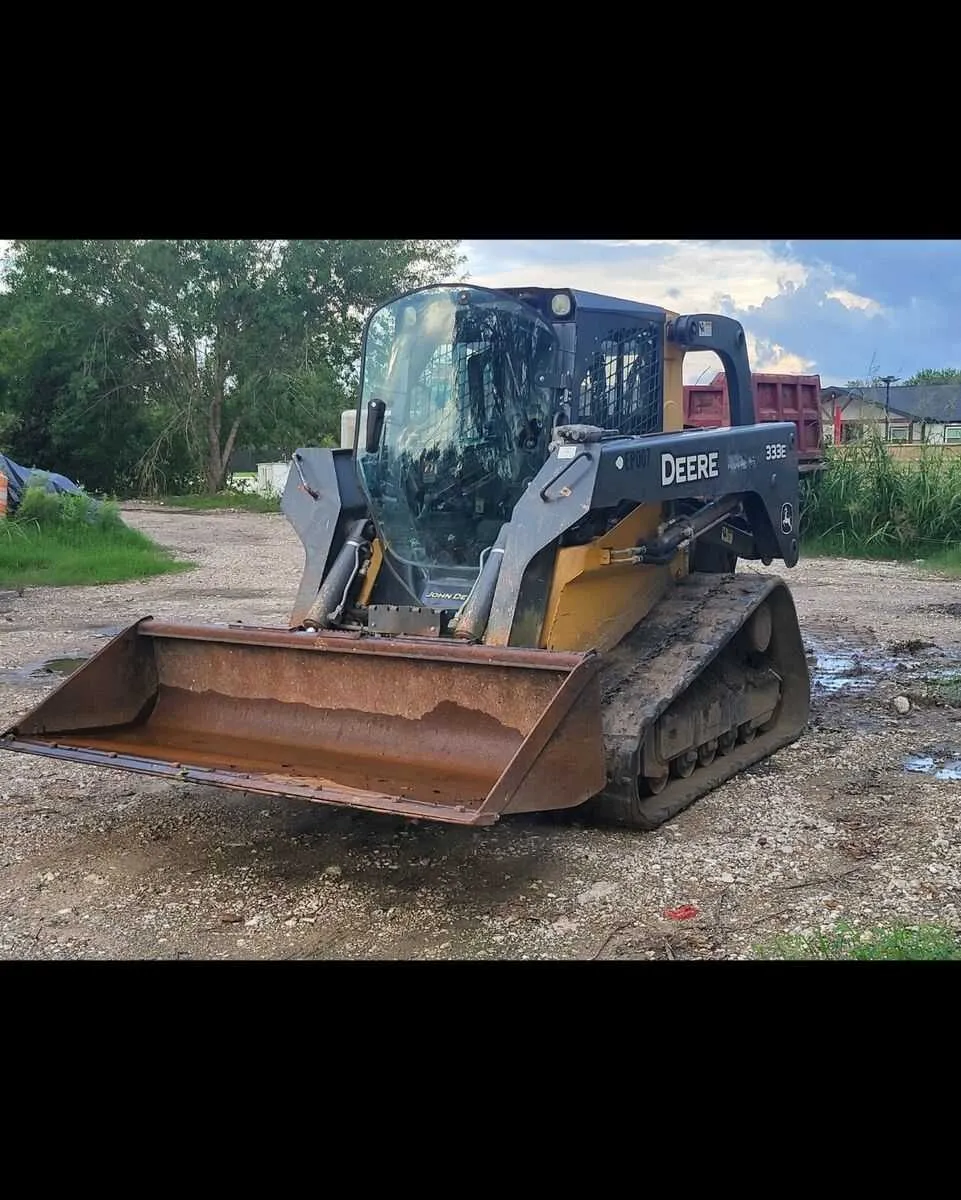
The John Deere 333E with high flow capability is designed to handle heavy-duty attachments, improving productivity and efficiency. Its hydraulic system delivers a maximum flow rate of 37.4 gpm, ensuring sufficient power for demanding tasks like trenching and lifting.
With a rated operating capacity of 3,400 lbs, the 333E offers great stability and strength, allowing operators to tackle tough materials and challenging job sites. The machine’s diesel engine provides a solid base with 74.3 hp, maintaining strong performance even under heavy load conditions.
The high-flow hydraulic option on the 333E gives users the flexibility to work with larger attachments that require increased hydraulic output. This makes it a go-to choice for industries where versatility and power are needed. The system’s advanced filtration helps reduce wear and tear, extending the machine’s operational lifespan.
John Deere 333E High Flow Specs
The John Deere 333E comes equipped with a high-flow hydraulics system designed for demanding attachments and high-performance tasks. The system provides an impressive 34.6 gpm (130.9 l/min) flow rate, allowing operators to efficiently power large hydraulic implements. This ensures quicker attachment response times, even with heavy-duty tasks.
The high-flow hydraulics are coupled with a powerful 74.3 hp (55.4 kW) engine, ensuring that the machine can handle larger tools, like augers, mulchers, and planers, without compromising performance. The high-flow option also helps increase productivity in tough work environments, such as forestry, land clearing, or construction.
When selecting attachments for the 333E, it’s important to note the flow rate and the pressure compatibility, as some heavy-duty implements may require more than 34.6 gpm. However, the versatility of the system ensures compatibility with a wide range of John Deere attachments designed for maximum efficiency.
The system operates at a maximum pressure of 3,450 psi (23,800 kPa), optimizing the output while maintaining durability. The hydraulic pump is engineered for longevity and reliability, even under continuous heavy usage, making the 333E a dependable choice for operations that require consistent power.
Engine Power and Hydraulic Performance
The John Deere 333E features a reliable 74.3-horsepower engine, providing ample power for various applications. This engine is designed to deliver consistent performance even in demanding tasks, ensuring that operators can tackle tough jobs with confidence.
The high-flow hydraulic system on the 333E offers up to 34.9 gallons per minute (GPM) of flow at full capacity. This enables the machine to power high-flow attachments like hydraulic breakers or augers effectively, ensuring optimal performance and speed during operation.
When paired with the high-flow hydraulic option, the machine’s hydraulic power is designed to handle heavy lifting and tough tasks efficiently. This makes the 333E a strong contender in its class, offering power and versatility across a wide range of attachments and uses.
Operators will notice smooth and responsive hydraulic action, thanks to the system’s advanced design. The system also prioritizes reliability and serviceability, with easy access to critical components, making maintenance straightforward.
High Flow Attachment Compatibility
The John Deere 333E is equipped with a high-flow hydraulic system that supports a variety of heavy-duty attachments. This system provides superior power, making it ideal for demanding tasks like mulching, high-flow snow removal, and large-scale ground preparation.
For optimal performance, it’s crucial to match attachments that are designed specifically for high-flow systems. Attachments rated for high-flow hydraulics ensure better efficiency, as they can handle the increased fluid flow and pressure, providing consistent power throughout operation.
Common high-flow compatible attachments include:
- Brush cutters
- High-flow augers
- Large-scale snow blowers
- Hydraulic breakers
- Mulchers and stump grinders
Always verify that the attachment is rated for the specific flow rate of the John Deere 333E. For the 333E, the high-flow system typically supports up to 34.3 gallons per minute (GPM) at a pressure of 3,450 psi, which is ideal for demanding attachments.
Using non-compatible attachments can lead to subpar performance or damage the hydraulic system. Always check the attachment specifications and ensure the hydraulic flow requirements match the capabilities of the 333E.
Maintenance and Service Considerations for High Flow Systems
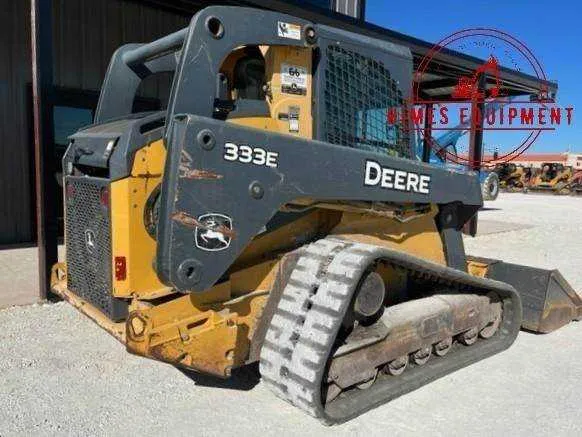
Regular inspection of hydraulic hoses and connections is critical for maintaining a high-flow system. Ensure that all components are free from wear and tear, and replace any damaged hoses to prevent system failures. Check for leaks around the pumps, valves, and motor connections. Tighten any loose fittings and inspect seals for wear.
Hydraulic fluid should be changed regularly according to the manufacturer’s recommended intervals to maintain system performance. Contaminated fluid can lead to poor performance or damage to sensitive components, so use only high-quality fluid and follow the proper filtration process during fluid changes.
Monitor the hydraulic pressure frequently. A drop in pressure can signal an issue with the pump or the system’s valves, which may affect the overall efficiency. Be sure to test the system under load conditions to verify optimal pressure levels.
Keep the cooling system in check by ensuring that the oil cooler is functioning properly. Overheating of the hydraulic fluid can degrade its performance and cause system failure. Clean the cooler regularly to avoid dirt buildup, which can restrict airflow.
Pay attention to the performance of the auxiliary hydraulic circuits. If the high-flow attachment begins to underperform, it may be due to restrictions or blockages in the hydraulic lines. Regularly flush the lines and inspect them for any obstructions that could reduce flow capacity.
Lastly, always ensure that the system’s filters are replaced according to the maintenance schedule. Dirty or clogged filters can impede fluid flow and damage the hydraulic components over time, leading to costly repairs.