John Deere 544G Specifications and Performance Overview
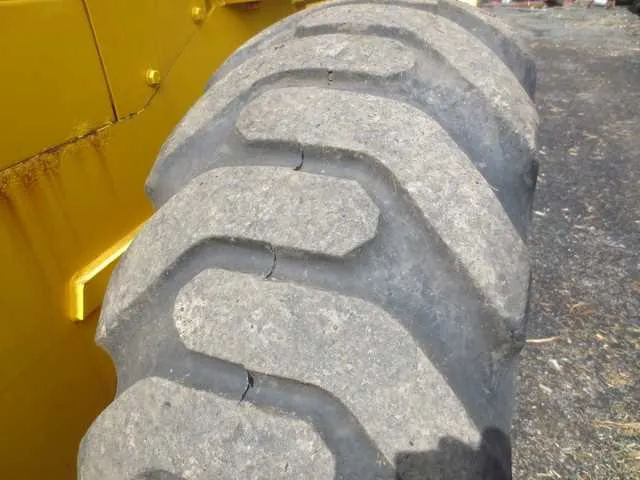
The John Deere 544G is designed to deliver high performance in tough environments. The machine’s engine produces up to 115 horsepower, making it capable of handling heavy lifting tasks with ease. For optimal fuel consumption, its diesel engine provides a balanced mix of power and efficiency, ensuring minimal downtime during operations.
In terms of size, the 544G has a bucket capacity of 2.5 cubic yards, ideal for medium to large construction projects. It is equipped with a 4-speed transmission that allows for smooth operation across various terrains, ensuring that operators have the power needed for both speed and stability.
Maintenance is straightforward, with key components like the hydraulic system and wheel bearings designed for extended service intervals. The 544G’s durability makes it suitable for challenging work sites, reducing the frequency of repairs and lowering long-term costs. It’s a reliable choice for contractors looking to improve productivity without sacrificing performance.
John Deere 544G Specifications
The John Deere 544G wheel loader is equipped with a powerful engine delivering 145 horsepower at 2,200 RPM. This allows the machine to handle tough materials and demanding work environments efficiently. The loader has a maximum operating weight of 16,300 lbs, providing a solid balance of power and stability.
Its operating capacity is 5,500 lbs, with a bucket capacity ranging from 2.5 to 4 cubic yards, depending on the configuration. This loader is designed to manage heavy loads without compromising maneuverability. The 544G features an advanced hydraulic system that ensures precise and reliable performance in various tasks such as lifting, digging, and loading.
The transmission is a powershift type with four forward and four reverse gears, offering smooth shifting and excellent control over a wide range of speeds. The axle system is durable, designed for increased traction and minimal maintenance, contributing to the loader’s long-term reliability.
The 544G’s front axle oscillates, providing enhanced stability on uneven surfaces, while the rear axle helps distribute weight evenly. The loader’s turning radius is tight, allowing it to maneuver in confined spaces with ease.
For operator comfort, the 544G comes with a spacious cab, providing good visibility, ergonomic controls, and a high level of noise reduction. It ensures a safe and comfortable working environment, even during extended shifts. Additionally, it offers efficient fuel consumption, minimizing operational costs.
With a maximum lifting height of 13 feet and a digging depth of 5.5 feet, the 544G is highly versatile, capable of working in a variety of construction, landscaping, and material handling tasks. Regular maintenance and proper operational practices will ensure the machine’s performance stays consistent throughout its service life.
Engine and Performance Data
The John Deere 544G is equipped with a 6.8L 4045T turbocharged engine, providing a robust 120 horsepower at 2,000 RPM. This engine ensures reliable performance for a variety of heavy-duty tasks, offering a balance of power and fuel efficiency. The unit features a 4-speed PowerShift transmission, allowing for smooth shifts and optimal torque delivery under varying load conditions.
With a rated operating capacity of 3,000 pounds, the 544G achieves a maximum bucket breakout force of 11,000 pounds, making it highly efficient for digging and lifting. The machine’s top speed reaches 21.5 mph, ensuring quick transport between job sites without sacrificing stability. The standard 4WD system improves traction on challenging surfaces, enhancing both productivity and operator control.
The hydraulic system, with a flow rate of 30.5 gallons per minute, enables rapid attachment response and efficient lifting. The 544G’s hydraulics are designed to handle tough tasks, maintaining consistent performance even under high-demand conditions. The engine’s fuel tank capacity of 35.5 gallons allows for extended work periods before refueling, minimizing downtime and enhancing operational efficiency.
Overall, the John Deere 544G combines powerful engine output with a well-engineered drivetrain and hydraulics to ensure optimal performance, capable of handling demanding work environments with ease and precision.
Operational Capacity and Load Handling
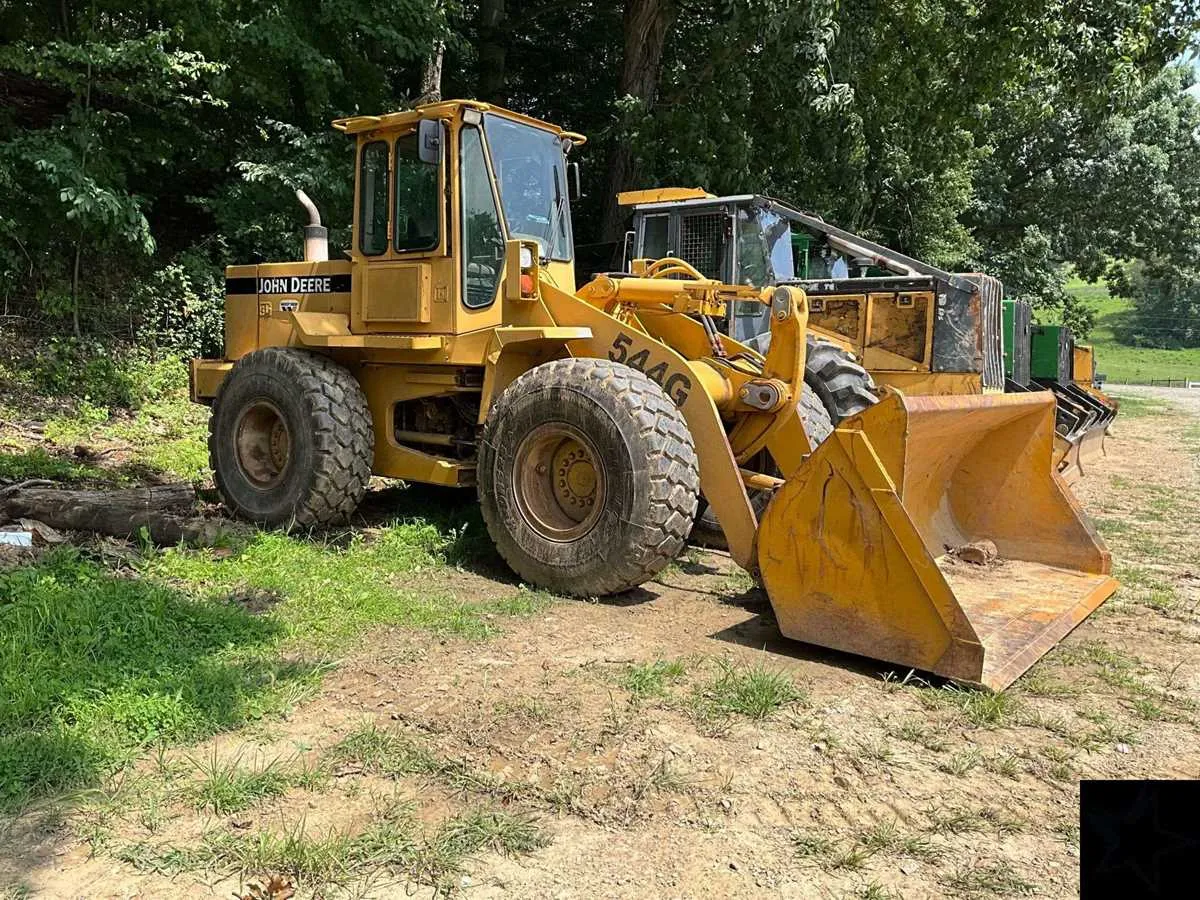
The John Deere 544G offers impressive lifting and load-handling capabilities, designed for demanding tasks. The machine handles up to 3,000 kg (6,614 lbs) in the bucket, ensuring maximum productivity in various material handling operations.
The hydraulic system ensures smooth and efficient lifting, with a breakout force of 10,530 kg (23,240 lbs), providing excellent digging and loading performance. The lift height reaches up to 3.5 meters (11.5 feet), allowing for effective loading into trucks or higher platforms.
The machine features a balanced weight distribution, contributing to enhanced stability when lifting heavy loads. The reinforced loader arms and robust frame ensure long-lasting durability under heavy-duty use. The 544G’s performance is optimized for a variety of materials, from gravel to logs, with consistent handling across different conditions.
- Maximum bucket capacity: 2.5 cubic meters (3.3 yd³)
- Rated load capacity: 3,000 kg (6,614 lbs)
- Lift height: 3.5 meters (11.5 feet)
- Breakout force: 10,530 kg (23,240 lbs)
- Machine operating weight: 13,000 kg (28,660 lbs)
For optimal performance, ensure the machine operates within its specified weight limits. Exceeding these can cause premature wear or affect the loader’s ability to perform at peak capacity. Regular maintenance of the hydraulic system, especially in high-load applications, is recommended to keep the 544G functioning at its best.
Maintenance and Durability Considerations
Regular inspection and preventive maintenance are critical for extending the lifespan of the John Deere 544G. Perform routine checks on the hydraulic system, engine, and transmission. Pay particular attention to fluid levels, ensuring that they are consistently within the manufacturer’s recommended range. Neglecting these can lead to excessive wear and component failure.
Lubrication plays a significant role in the machine’s durability. Apply grease to moving parts as indicated in the operator’s manual. Over time, the grease can break down, leading to increased friction and premature wear. Prioritize the lubrication of joints, pins, and bearings to reduce the risk of damage.
Track and tire maintenance are essential for maintaining load handling capacity. Regularly inspect tires for wear, cracks, and cuts, especially if the machine operates on rough terrain. For tracked models, monitor the track tension and alignment to avoid excessive strain on the undercarriage components.
Engine care requires timely oil changes to prevent carbon build-up and sludge formation. Use the recommended oil type and change intervals as outlined in the service manual. A well-maintained engine is less likely to experience overheating or performance drops.
Cleaning the machine after each use can prevent dust and debris from accumulating in the engine and hydraulic system, which can reduce performance and lead to long-term damage. Use compressed air or a pressure washer to clean the undercarriage and engine bay.
Structural integrity should be checked periodically for signs of cracking or excessive wear on the frame. Especially if the machine has been subjected to heavy use or extreme conditions, reinforcing the frame and load-bearing components may be necessary.