John Deere 2210 Danish Tine Field Cultivator Specifications and Features
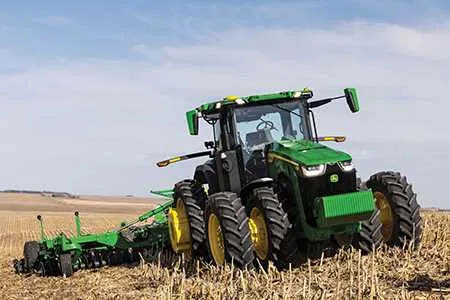
The John Deere 2210 Danish Tine Field Cultivator stands out for its durability and precision in field preparation. Built to handle diverse soil types, it ensures efficient seedbed preparation by incorporating adjustable tines, allowing for easy customization to match specific farming needs.
The implement’s frame is designed for strength, offering excellent support even in tough working conditions. Its tines can be adjusted for depth control, giving operators the flexibility to work in varying soil conditions. With a working width ranging from 10 to 40 feet, the 2210 is capable of covering large areas quickly without sacrificing performance.
Another key feature is the cultipacker option, which enhances soil leveling and seedbed firmness. The packer wheels can be adjusted to control pressure, ensuring optimal soil-to-seed contact and improving seed germination rates. Additionally, the hydraulic folding feature allows for quick and easy transport from field to field, reducing downtime during work.
Operators will appreciate the simplicity of maintenance, as the 2210 is equipped with durable components that require less frequent upkeep. Its robust construction and ease of use make it an ideal choice for those looking to increase productivity in their field operations.
John Deere 2210 Danish Tine Field Cultivator Specs
The John Deere 2210 Danish Tine Field Cultivator is designed for precise tillage. It features durable construction and high performance in challenging field conditions. With a working width ranging from 12 to 40 feet, it effectively covers large areas, optimizing both time and fuel consumption.
The machine uses Danish tines that are highly flexible, providing deep and uniform soil penetration. These tines are mounted on independent units, allowing for improved ground following and better control in uneven fields. The 2210 is equipped with adjustable depth control, ensuring the tines operate at the desired level for consistent soil conditioning.
Weight distribution is evenly balanced, enhancing stability during operation. The implement is available with various shank options to suit different soil types and requirements. The frame is built with a rigid structure to withstand high-stress conditions without compromising performance.
The 2210’s working depth can be adjusted from 2 to 10 inches, giving operators flexibility based on soil conditions. Hydraulic wing cylinders ensure easy adjustments to the working width, making it adaptable to a variety of tasks. The machine also includes a hydraulically adjustable rear harrow for improved residue management and leveling of the soil after tillage.
For durability, the 2210 is designed with high-quality components like heat-treated tines and corrosion-resistant finishes. This cultivator provides the necessary support for reducing compaction while improving soil aeration and drainage.
Key Features of the John Deere 2210 Danish Tine Field Cultivator
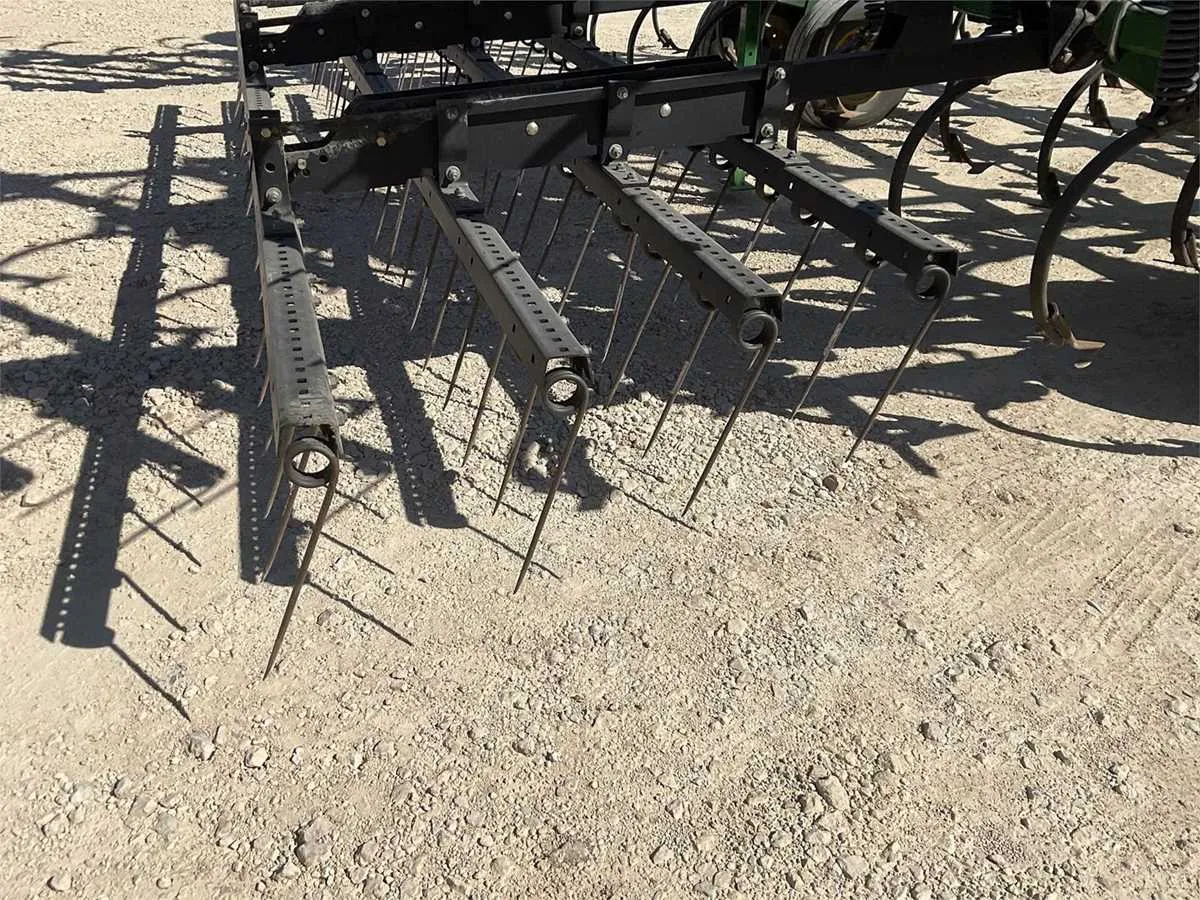
The John Deere 2210 Danish Tine Field Cultivator offers precise and reliable performance for soil preparation. It features adjustable Danish tines designed to break up compacted soil, improve seedbed quality, and manage residue with minimal soil disturbance. This cultivator is equipped with a rugged frame, ensuring durability in various field conditions. The tines are spaced to optimize soil penetration, reducing clod formation while promoting uniform seedbed finishing.
One of the standout aspects of the 2210 model is its superior shank and tine design. The tines are mounted on a high-clearance frame, allowing for smooth passage over uneven terrain and preventing clogging in sticky conditions. The shanks are spring-loaded, providing flexibility and reducing the risk of damage from obstacles in the field.
The adjustable depth control ensures consistent soil tillage depth, which can be modified quickly to match varying field conditions. This flexibility is key for users who need to adapt to different soil types or changing weather patterns during the season.
The 2210 also includes a variety of attachments, such as rolling harrows or drag chains, which further enhance soil finishing. These attachments help level the soil, break up clods, and create an ideal seedbed for planting.
For maintenance, the 2210 cultivator’s design allows for easy access to parts that require routine checks or adjustments. The durable components reduce the need for frequent repairs, making it a cost-effective choice for long-term use.
Adjustable Tine Settings for Different Soil Types and Conditions
Set the tines to a shallower depth for loose, well-drained soils to prevent excessive soil disturbance. This setting works well for sandy or light loamy soils, where the goal is to improve seedbed preparation without bringing up too much moisture or organic material. Adjusting the tines to a 1-2 inch depth is ideal for such conditions.
For heavy, clay-rich soils, set the tines deeper, around 3-4 inches. This will help break up compacted layers, allowing air and water to penetrate deeper. In wet conditions, avoid going too deep as it may create a smearing effect, further compacting the soil and hindering root development.
In dry or drought-prone areas, a shallow tine setting (1-2 inches) is optimal to preserve moisture at the soil surface. The cultivator will lightly break up the crust, allowing rainwater to penetrate without creating too much surface evaporation.
When working on fields with high organic matter or residues, adjust the tines to a medium depth (2-3 inches). This will help incorporate organic material into the soil without burying it too deep, making it easier for decomposers to break it down and release nutrients into the soil.
For fields with uneven or rocky terrain, set the tines to a more flexible, less aggressive setting to avoid damage. This ensures the cultivator can still work the soil while preventing excessive wear on both the tines and the machinery.
Maintenance Tips and Common Issues for the John Deere 2210 Cultivator
Inspect the tines regularly for wear and tear. Replace tines when they show significant wear to maintain optimal performance. If tines are bent, straightening them could cause uneven working depth, so replace them if needed.
Lubricate the pivot points and bearings every 50-100 hours of operation. Proper lubrication reduces friction, prolongs the lifespan of components, and ensures smooth operation of the machine.
Check tire pressure frequently. Tires that are either over or under-inflated can affect the depth control and tracking of the cultivator. Follow the manufacturer’s specifications for tire pressure to prevent uneven wear and damage.
Inspect hydraulic systems for leaks. Ensure hoses, fittings, and cylinders are tight and free from damage. Leaky hydraulic lines can lead to performance issues and reduced efficiency. Replace any damaged hoses immediately.
Keep the frame and working components free of dirt and debris. Clogged parts can cause binding and reduce the effectiveness of the cultivator. Clean the cultivator after each use to prevent soil buildup and rust formation.
Regularly check and tighten bolts, nuts, and fasteners. These can loosen during operation, especially in high-vibration areas like the frame and tine mounts. Loose parts can cause misalignment and premature wear.
Monitor for uneven soil disturbance, which may indicate an issue with the depth adjustment system. Make adjustments to the depth control mechanism and inspect for damaged parts if needed.
Common issues with the John Deere 2210 cultivator include poor soil penetration, which can often be traced back to worn tines or incorrect depth settings. Inspect the depth control regularly and adjust as needed.
Another issue is uneven operation caused by faulty bearings or misaligned tines. This can result in poor tilling performance and an uneven seedbed. Inspect the entire cultivator frame for alignment and replace damaged components.
Inconsistent working depth could be a sign of hydraulic system issues, such as a malfunctioning depth control valve. Inspect the valve and the hydraulic lines to ensure they’re in good working order.
Finally, rust can become a problem if the cultivator isn’t stored properly. To avoid this, clean and dry the cultivator before storage, and apply a protective coating to vulnerable parts, especially after use in wet conditions.