Hydraulic Oil Specifications for John Deere 9640R Tractor
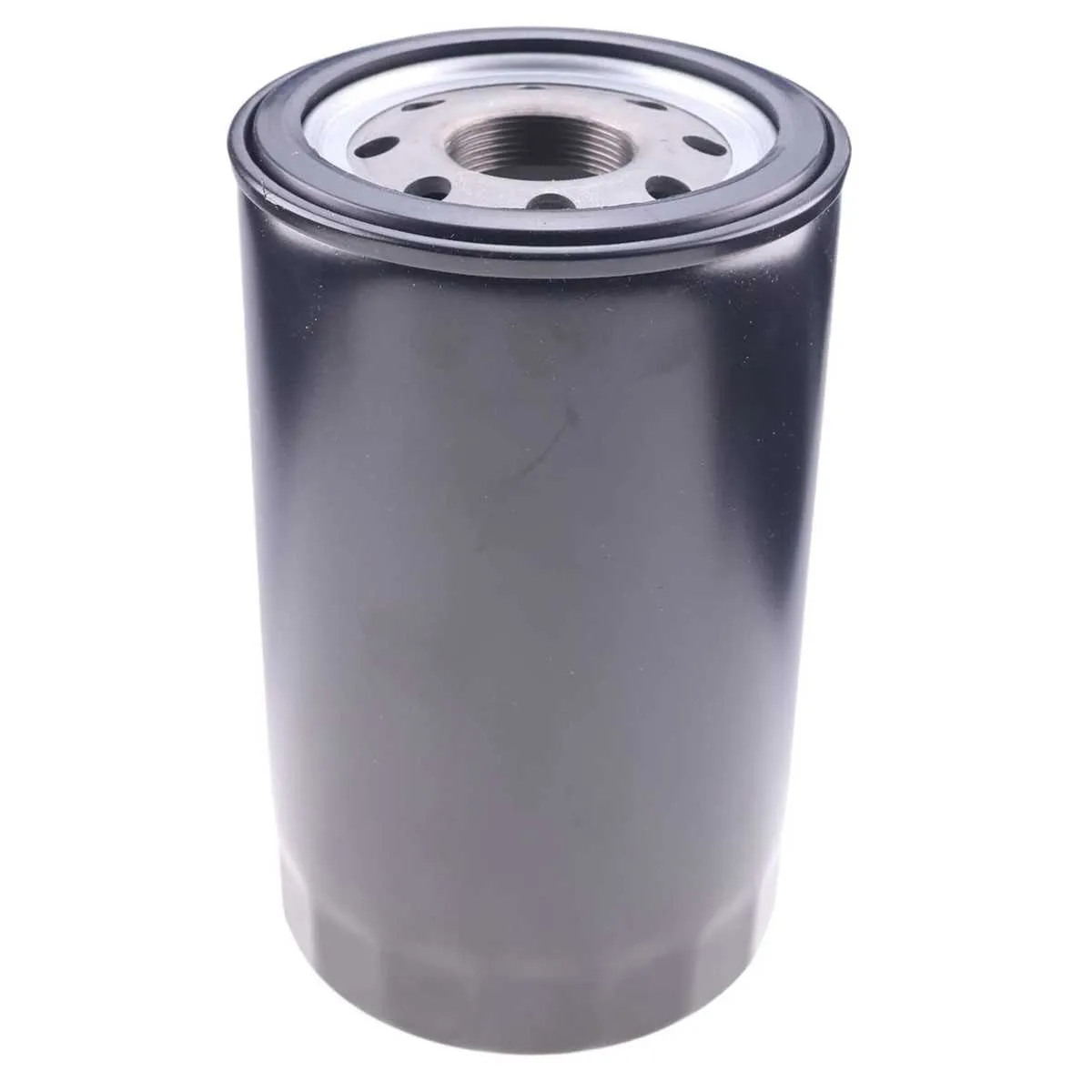
For optimal performance, always choose hydraulic oil that meets the specific standards set for the John Deere 9640R. The recommended fluid for this model is John Deere Hy-Gard J20C, which ensures smooth operation and longevity of hydraulic components.
Check the oil’s viscosity grade before adding it to the system. The John Deere 9640R requires an oil with a viscosity range of 10 to 20 cSt at 100°C. Using oil outside of this range may lead to inefficient performance and excessive wear.
It’s also critical to maintain proper oil levels. Overfilling or underfilling can cause issues with hydraulic pressure and overall system functionality. Make sure to check the oil level regularly using the recommended dipstick method to ensure consistency.
Lastly, avoid mixing different types or brands of oil. This can affect the oil’s ability to provide proper lubrication and may lead to system malfunctions. Always drain the system completely before switching oil types.
Hydraulic Oil Specifications for John Deere 9640R
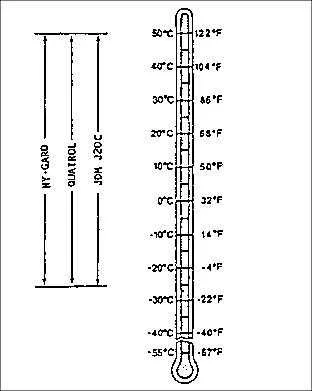
For optimal performance, use high-quality hydraulic oil that meets or exceeds the John Deere standard. Recommended oil types include John Deere Hy-Gard or an equivalent oil that conforms to the J20C specification. Always verify the viscosity grade based on the operating temperature range. For most conditions, the recommended oil is ISO 46, but in colder climates, an ISO 32 oil may be more suitable.
To maintain the system’s longevity and efficiency, ensure the oil is replaced at intervals specified by the manufacturer. The recommended change interval is every 1000 operating hours, or sooner if the oil becomes contaminated or its performance deteriorates. During oil replacement, ensure proper filtration is maintained to avoid contaminant buildup in the hydraulic system.
Monitor oil levels regularly. The hydraulic reservoir on the 9640R has a specific capacity–refer to the operator’s manual for the exact volume. Always check the oil level when the machine is on a level surface and ensure the oil is within the safe operating range indicated by the dipstick.
- Oil type: John Deere Hy-Gard or J20C equivalent
- Viscosity grade: ISO 46 (ISO 32 for cold climates)
- Oil change interval: 1000 hours or sooner if oil performance drops
- Reservoir capacity: Refer to the operator’s manual for exact details
Regular maintenance of the hydraulic oil system, including checking for leaks and ensuring seals are intact, will help prevent unnecessary wear and maintain the efficiency of the 9640R’s hydraulic components.
Choosing the Right Hydraulic Oil for Optimal Performance
Use a high-quality hydraulic oil with a high viscosity index (VI) for the John Deere 9640R. Oils with a suitable VI maintain their viscosity across a wide range of temperatures, ensuring consistent performance in varying conditions.
Opt for a multi-grade oil like SAE 10W-30, which provides excellent lubrication at both low and high temperatures. This ensures smooth operation of hydraulic components, even in extreme climates.
Consider oils with anti-wear additives to extend the lifespan of hydraulic pumps and motors. These additives reduce friction, minimizing wear on internal components and enhancing the system’s durability over time.
Choose oils that meet John Deere’s specifications, such as JDM J20C or J20D, as these are formulated to provide the correct balance of performance and protection under heavy-duty conditions.
Regularly check oil quality and replace it as recommended in the owner’s manual. Contaminated oil can lead to system malfunctions and reduced efficiency.
How to Check and Maintain Hydraulic Oil Levels in the John Deere 9640R
Ensure the hydraulic oil level is within the optimal range to prevent performance issues. Begin by turning off the engine and letting it cool down to avoid burns or injuries. Locate the hydraulic oil reservoir and remove the dipstick. Clean the dipstick with a clean cloth before reinserting it fully into the reservoir. Remove it again and check the oil level. The oil should be between the “Add” and “Full” marks. If it’s low, add the recommended hydraulic oil until it reaches the correct level.
Regularly inspect the oil for contaminants or discoloration. If the oil appears dirty or has a burnt smell, consider changing it. It’s crucial to replace the oil filter during each oil change to maintain system efficiency. Follow the manufacturer’s service intervals and use only the specified oil type to ensure longevity and proper function of the hydraulic system.
After refilling or changing the oil, start the engine and let it run for a few minutes to circulate the new fluid. Recheck the oil level after the engine has warmed up, as the oil will expand. Add oil as necessary to keep the level consistent.
Common Hydraulic Oil Issues and Troubleshooting Tips
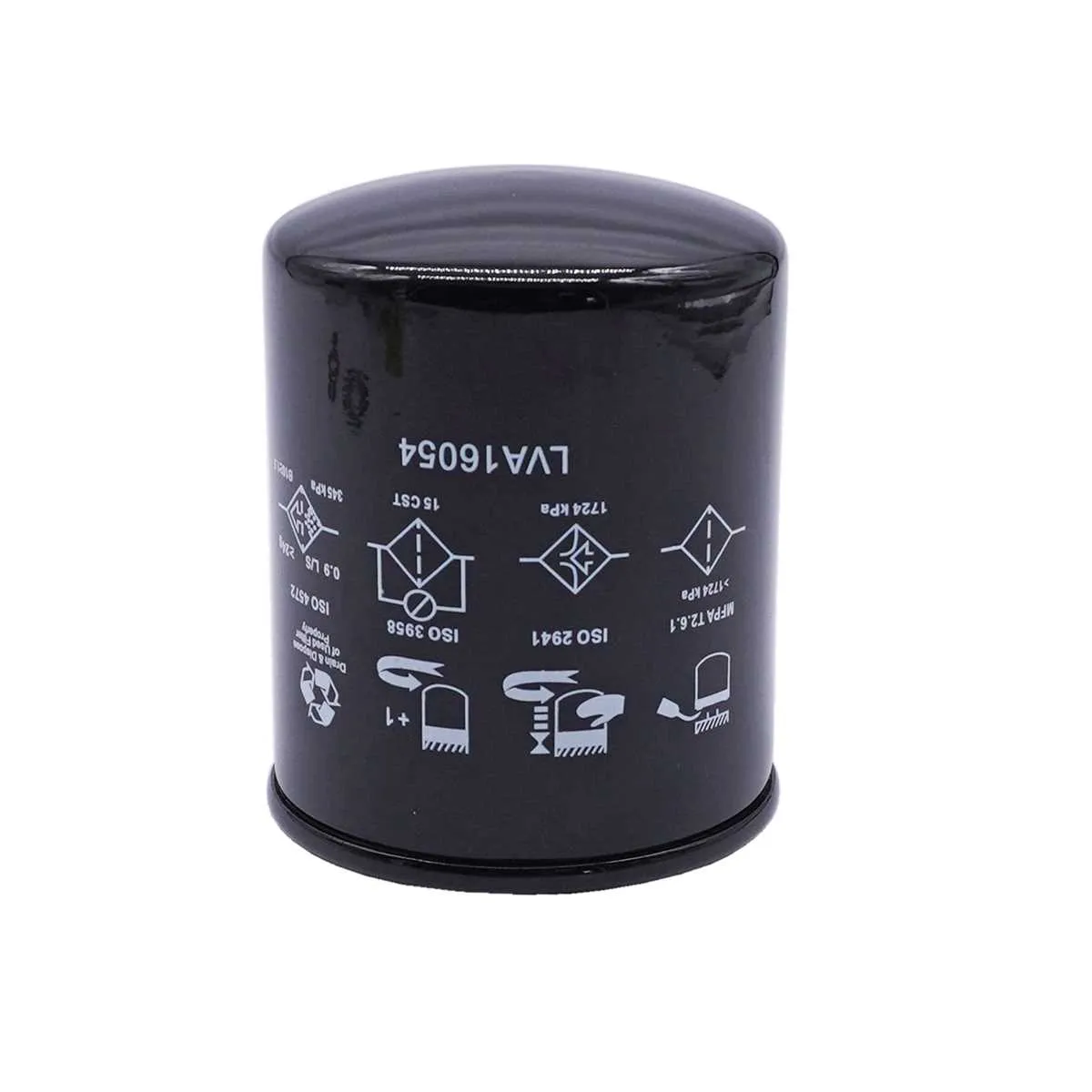
Low hydraulic pressure is a common issue in John Deere 9640R. If the oil level is sufficient, check for leaks in hoses, valves, or seals. Tighten any loose connections and replace damaged components to restore pressure.
Contaminated hydraulic oil can cause performance problems. Always use clean oil and replace filters regularly. If the oil appears dark or contains debris, replace it immediately and flush the system to prevent further damage.
Excessive heat can degrade the hydraulic fluid, reducing its effectiveness. Ensure the cooling system is working properly and clean any air intake filters. Monitor fluid temperature regularly and replace it if it exceeds the recommended limits.
Inadequate oil flow may result from clogged filters or air in the system. Replace filters as needed and bleed the system to remove any trapped air. This will help maintain smooth operation and prevent strain on components.
Noise or erratic movement during operation often points to air in the hydraulic lines or worn-out parts. Bleed the system to eliminate air pockets and inspect valves, pumps, and cylinders for wear and tear.
Regularly monitor the hydraulic system for leaks and fluid loss. Even minor leaks can lead to significant issues if left unchecked. Inspect all hydraulic lines, fittings, and seals to ensure they are intact and functioning properly.