John Deere 14T Baler Specifications and Key Features
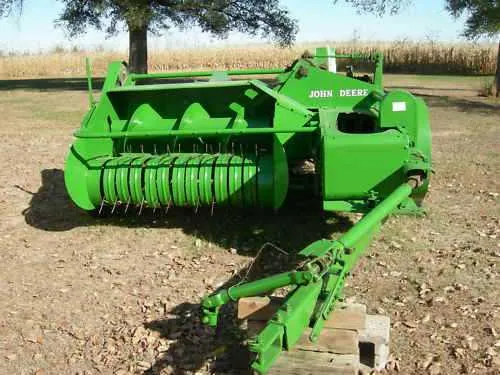
The John Deere 14T baler is designed to handle both small and medium-scale baling tasks with precision. It is equipped with a reliable pick-up system that ensures consistent feeding and optimal bale formation. With its efficient design, the 14T makes short work of hay and straw baling, providing users with a smooth operation even in challenging conditions.
When setting up the John Deere 14T baler, ensure the right knotter adjustments to avoid downtime. The machine features a proven knotting system that delivers secure bales without unnecessary jams. Pay attention to the bale tension settings to achieve uniformity and density. This will enhance the quality of the bales produced while maintaining a consistent output rate.
Maintenance plays a key role in the 14T’s performance. Regularly check the wear points and lubrication systems to prolong its service life. Replace parts that show signs of wear promptly to keep the baler operating at peak capacity. Following the manufacturer’s maintenance guidelines will help you get the most out of your equipment, minimizing unexpected repairs and downtime.
John Deere 14T Baler Specifications
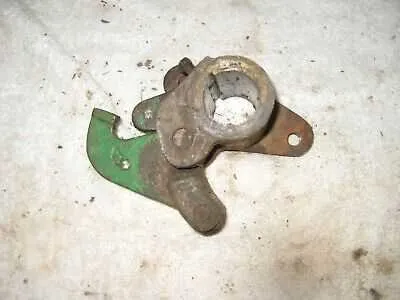
The John Deere 14T Baler is designed for consistent performance and durability, making it a reliable choice for smaller to medium-sized farming operations. With a field-proven reputation, it offers a compact design and easy operation.
It features a 14-stroke capacity, allowing for efficient baling of hay and straw. The machine is equipped with a 32-inch bale chamber width and produces compact bales with an average weight of 45-60 lbs. The machine’s 540 RPM PTO ensures efficient power transfer to the baling mechanism.
The John Deere 14T is fitted with a knotter system that minimizes downtime and reduces the risk of missed or improperly tied bales. The pick-up width is 48 inches, ensuring smooth and effective crop intake. The tractor horsepower required for optimal operation ranges from 30 to 40 HP, making it suitable for smaller tractors in farm settings.
With its simple, rugged construction, the John Deere 14T is easy to maintain. Regular lubrication and cleaning after each use will prolong its lifespan and ensure smooth operation during peak seasons.
Key Features and Capabilities of the John Deere 14T Baler
The John Deere 14T Baler delivers reliable and consistent performance for small to medium-sized farms. Its simple yet effective design makes it easy to operate and maintain, providing a high-quality baling experience.
The baler features a strong and durable construction, with an impressive 14-inch wide bale chamber that allows for compact and uniform bales. Its reliable knotter system ensures secure tying, reducing the risk of bale failures.
Equipped with a 540 RPM PTO, the 14T efficiently handles hay and straw, producing bales with minimal effort. Its cutting-edge twine management system makes it easy to adjust twine tension and reduce waste. The baler also features a quick and easy bale ejection system, which streamlines the process and improves overall productivity.
One of the standout features is the adjustable pickup height, which allows operators to adapt to varying field conditions. This flexibility improves performance in both flat and uneven terrain, enhancing the baler’s overall adaptability.
The compact size and lightweight build of the John Deere 14T Baler make it an excellent choice for smaller operations or those with limited storage space. Its simple design also makes maintenance straightforward, reducing downtime and associated costs.
Hydraulic System and Bale Tying Mechanism
The hydraulic system of the John Deere 14T baler is designed to deliver reliable, consistent performance. The system powers key functions like the pick-up reel, knotter, and plunger, providing smooth operation during baling. Proper maintenance of the hydraulic oil and filter is crucial to ensure the baler operates at peak performance. Keep the system free from contaminants to avoid malfunctions and extend the lifespan of hydraulic components.
The bale tying mechanism features a durable knotter assembly that ensures secure binding of the bales. The system uses a twin-knotter setup, delivering precise and tight knots every time. The knotters are automatically triggered by the hydraulic system once a bale reaches the desired size. To prevent issues, regularly inspect the knotter mechanism for wear and tear, lubricate moving parts, and replace the twine as needed.
- Hydraulic oil levels should be checked regularly, and filters should be replaced at recommended intervals.
- Ensure the knotter mechanism is properly adjusted to avoid over-tightening or under-tightening the twine.
- Inspect the twine path for any blockages or tangles that could interfere with the knotting process.
The combination of a responsive hydraulic system and an efficient bale tying mechanism helps achieve consistent bale quality, reducing the need for manual intervention. For optimal results, follow the maintenance schedule and use quality twine suited for the machine’s specifications.
Maintenance and Troubleshooting Tips for the John Deere 14T Baler
Regularly check and maintain the chain tension to prevent slippage and wear. Ensure the chains are properly lubricated to extend their lifespan and avoid unnecessary damage.
Inspect the knotter regularly. Clean the knotter mechanism and replace any worn parts. Lubricate all moving components to maintain smooth operation. If the knotter fails to tie consistently, check the needle and twine discs for damage or misalignment.
Monitor the hydraulic system. Ensure the oil levels are correct and free from contaminants. Replace filters as recommended by the manufacturer to avoid clogging and potential system failures.
Examine the pickup reel for wear. Replace any broken or bent tines to maintain the correct bale shape and improve efficiency during operation.
Check the bale chamber for debris buildup. Periodically remove any lodged material that may interfere with proper bale formation. Inspect the plunger and ensure it moves freely.
If the baler is not picking up material as efficiently, verify that the pick-up height is correctly adjusted. Also, ensure the pick-up teeth are in good condition and properly aligned.
Test the electrical system for any faults. Inspect wiring, fuses, and sensors, ensuring they are properly connected and functioning. Replace faulty sensors to prevent performance issues.
If the baler is experiencing issues with the hydraulic system, check for leaks in the hoses and fittings. Replace any damaged hoses immediately to prevent fluid loss.
Check tire pressure regularly. Incorrect tire pressure can cause uneven wear and poor handling. Refer to the operator’s manual for the correct tire specifications.
In case of persistent problems, refer to the troubleshooting section of the manual to isolate the issue. Always ensure that all adjustments are made with the engine off to avoid accidents.