Detailed Specifications of John Deere 750L Crawler Dozer
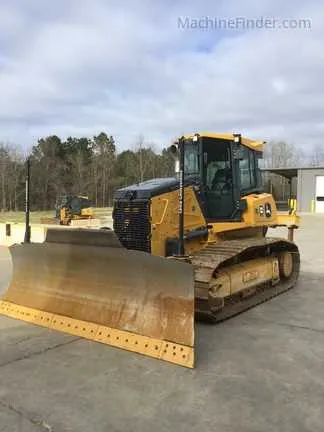
The John Deere 750L crawler dozer offers powerful performance for a range of heavy-duty tasks. With a reliable 6.8L engine, it provides 185 horsepower, delivering the force needed for tough operations. The advanced transmission system ensures smooth power delivery and optimal efficiency across various terrains.
For superior maneuverability, the 750L is equipped with a high-precision hydrostatic drive system. This allows for quick adjustments in speed and direction, ideal for tight spaces or complex site layouts. The dozer’s robust undercarriage design enhances durability and ensures better traction, reducing wear during prolonged use.
With a blade width of 3.6 meters, the 750L is capable of moving large volumes of material in a single pass. Operators can choose from different blade configurations to match specific job requirements, ensuring versatility across a variety of projects. Enhanced operator comfort is a key feature, with ergonomic controls and reduced vibration levels in the cabin.
John Deere 750L Specs
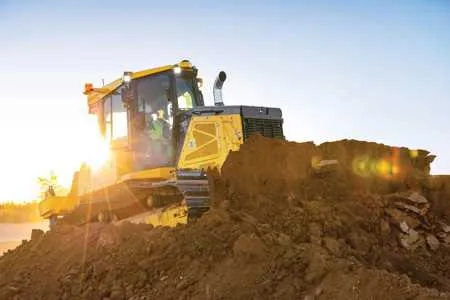
The John Deere 750L is a highly efficient and powerful crawler dozer designed for tough job sites. Equipped with a 6.8L turbocharged engine, it delivers up to 185 horsepower, ensuring excellent performance in various applications.
Key specifications include:
- Engine: 6.8L turbocharged diesel
- Power output: 185 hp
- Operating weight: 19,300 kg
- Track width: 600 mm
- Blade width: 3,500 mm
- Hydraulic flow: 169 L/min
- Fuel tank capacity: 370 L
This model features a robust transmission system, providing superior traction and stability on uneven terrain. The advanced hydraulic system enhances blade control for precise material handling.
For optimal productivity, the 750L comes with a high-capacity cooling system that ensures the engine runs efficiently even under heavy load. The dozer’s ergonomic cabin design enhances operator comfort, improving visibility and control during extended work periods.
Regular maintenance is key to maximizing the 750L’s lifespan and performance. Ensure timely oil changes, air filter replacements, and track inspections to avoid unnecessary downtime and maintain peak operation efficiency.
Engine Specifications and Power Output
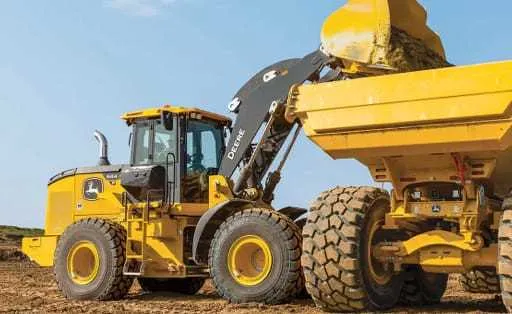
The John Deere 750L is equipped with a powerful 6-cylinder engine, designed to provide consistent performance in various conditions. With a displacement of 6.8 liters, the engine delivers up to 240 horsepower, allowing the machine to tackle heavy-duty tasks with ease. This power is further enhanced by a turbocharged system, ensuring maximum efficiency and reliability.
The engine is coupled with a high-performance cooling system that maintains optimal operating temperatures even under intense load. The advanced fuel system optimizes fuel delivery, contributing to better fuel efficiency and lower emissions, which is crucial for maintaining long-term operational cost efficiency.
For enhanced versatility, the 750L’s engine includes an electronic control module (ECM) that adjusts power output based on real-time demands, providing the right amount of power where and when it’s needed. This feature helps in minimizing fuel consumption while ensuring that the machine remains responsive to varying work conditions.
Regular maintenance of the engine, such as oil changes and air filter replacements, is critical to keeping the John Deere 750L running at peak performance. Proper engine care ensures extended service life, improved fuel economy, and reliable power delivery throughout its operational lifespan.
Hydraulic System and Load Capacity
The John Deere 750L is equipped with a powerful hydraulic system that ensures optimal performance during heavy-duty tasks. The hydraulic pump delivers a flow rate of 186 liters per minute, enabling fast response times for various attachments and implements. This flow rate supports a maximum working pressure of 24,000 psi, providing ample force for lifting and moving materials.
With a maximum lift capacity of 4,000 kg, the 750L is capable of handling demanding tasks, such as lifting large loads or operating heavy machinery. The machine’s hydraulics are designed for stability, ensuring a smooth operation even under maximum load. It is recommended to always match the right attachment to the load capacity to avoid overloading the system, which can reduce efficiency and lead to premature wear.
For tasks requiring high force, such as digging or lifting large objects, the 750L’s hydraulic system ensures that the operator can rely on precise control and power. The system includes advanced features like load sensing, which adjusts hydraulic flow to match the demands of the task, ensuring efficient use of power while maintaining optimal fuel consumption.
Maintaining the hydraulic system is crucial for maximizing load capacity and preventing failures. Regularly check hydraulic fluid levels and inspect hoses for leaks or wear. Always use the manufacturer’s recommended fluids to ensure the hydraulic components operate at their best performance.
Maintenance Requirements and Service Intervals
Perform engine oil changes every 250 hours to maintain optimal engine performance. Use John Deere approved oil and replace the filter during each oil change.
Inspect the air filter every 100 hours. Clean or replace it based on its condition to prevent dirt buildup and ensure proper airflow to the engine.
Hydraulic fluid levels should be checked daily. Replace the fluid every 1,000 hours or once a year, whichever comes first. Use the recommended fluid type specified in the owner’s manual.
Grease the machine’s pivot points and moving parts at regular intervals, typically every 50 hours, to reduce wear and tear and extend the lifespan of components.
Check the tire pressure regularly, at least every 100 hours. Under-inflated tires can lead to uneven wear and decreased efficiency.
Inspect the fuel system every 500 hours. Clean fuel filters and replace them if necessary to ensure proper fuel flow and prevent clogging.
Replace hydraulic filters every 500 hours or annually to maintain hydraulic system efficiency and prevent contamination.
Monitor the cooling system by checking coolant levels at every service interval. Flush the radiator and replace coolant every 2,000 hours.