John Deere 450 Excavator Specifications and Performance Details
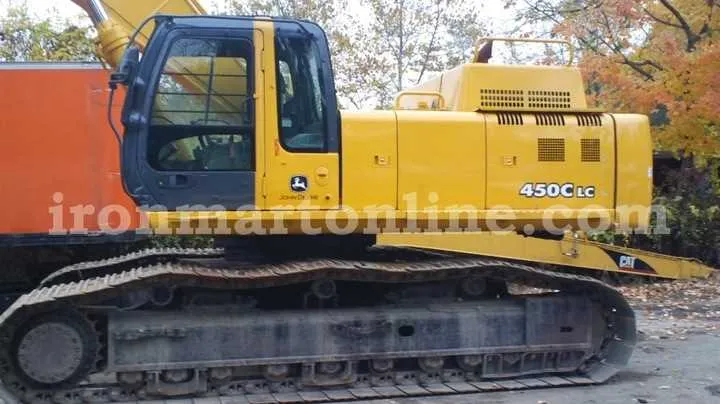
The John Deere 450 Excavator offers reliable power and precision for demanding construction tasks. With an impressive hydraulic system, it delivers smooth, efficient performance, making it ideal for heavy-duty operations. The engine provides robust output, enabling the machine to handle tough terrains and large-scale projects.
Equipped with a high-performance engine, the 450 model excels in both fuel efficiency and power. The operator can rely on its outstanding lifting capacity and breakout force for complex excavation jobs. The operator station is designed for comfort and accessibility, enhancing productivity throughout extended work periods.
Maintenance is simplified with accessible service points, ensuring easy upkeep and minimal downtime. The durable design ensures the 450 remains reliable under constant use, and its advanced features optimize performance for all types of excavation work. This machine is an excellent choice for contractors looking for a combination of power and versatility.
John Deere 450 Excavator Specifications
The John Deere 450 excavator offers a range of features that enhance performance and durability. With its robust engine and advanced hydraulic system, it delivers reliable power and efficiency across various tasks.
- Engine Power: The 450 model is equipped with a 6.8-liter, 6-cylinder engine, delivering a net horsepower of 163 HP. This allows for smooth operation even under heavy loads.
- Operating Weight: The operating weight of the John Deere 450 is approximately 47,000 lbs, making it suitable for both large and medium-scale construction projects.
- Hydraulic Flow: The hydraulic system is designed to provide 312 liters per minute of flow, ensuring optimal efficiency in demanding tasks like digging and lifting.
- Maximum Digging Depth: The 450 excavator offers a maximum digging depth of 22 feet, giving operators the flexibility to handle deeper excavation jobs.
- Bucket Capacity: The bucket capacity of the machine ranges from 1.3 to 2.3 cubic yards, depending on the configuration and attachment used.
For increased productivity, the John Deere 450 incorporates advanced electronic systems that monitor machine performance, helping operators optimize fuel usage and reduce maintenance costs.
With a durable undercarriage and a wide range of attachments, this model ensures versatility and adaptability across various construction sites, including demolition, landscaping, and earthmoving operations.
Engine Performance and Power Output
The John Deere 450 excavator is equipped with a robust engine that provides reliable performance across various job sites. Its EPA-certified engine delivers a substantial performance output of 120 horsepower at optimal RPM. This power is critical for maintaining productivity during heavy-duty operations, such as digging, lifting, and moving large materials.
With an engine displacement of 6.8 liters, the machine offers impressive torque, ensuring high digging force and the ability to handle demanding tasks. The engine operates efficiently, balancing power with fuel consumption to reduce downtime and maintenance costs.
To maximize fuel efficiency, the engine is paired with an advanced hydraulic system, which helps to convert power into smooth, controlled movement. This allows the John Deere 450 to perform efficiently even in tight or challenging environments.
Proper maintenance is key to ensuring consistent power output. Regular oil changes and air filter maintenance are recommended to maintain peak engine performance and prolong its lifespan.
Hydraulic System and Lifting Capacity
The hydraulic system of the John Deere 450 Excavator is designed for high-efficiency and precision in lifting and digging operations. The system includes powerful pumps that deliver sufficient flow to all hydraulic components, ensuring smooth operation. With a maximum lifting capacity of 7,200 lbs at full reach, this machine excels in handling heavy loads without compromising stability or control.
The lift arm and boom are reinforced with high-strength steel to support the hydraulic force, allowing for optimal lifting performance across various tasks. The hydraulics also include load-sensing technology, adjusting power output based on the task’s needs, enhancing fuel efficiency and reducing wear on components.
Operators can rely on the consistent performance of the system for tasks such as material handling, trenching, and lifting heavy attachments. Proper maintenance of the hydraulic fluid and regular checks on the system’s seals and hoses are essential for maintaining the machine’s lifting capabilities over time.
In addition to the standard lifting capacity, the John Deere 450 is equipped with a variable flow hydraulic system, making it adaptable for different working conditions. Whether lifting large debris or executing precision tasks, the hydraulic system ensures that operators can manage a wide range of demands efficiently.
Maintenance and Service Intervals
To maintain the John Deere 450 Excavator in peak condition, regular service is essential. Perform an oil change every 500 operating hours or at least once per year, whichever comes first. Use high-quality engine oil as specified in the operator manual to ensure proper engine lubrication and prevent unnecessary wear.
The hydraulic system requires inspection every 1,000 hours to check for leaks and wear. Replace the hydraulic filters during this interval to avoid any performance degradation. It’s also recommended to inspect the hydraulic hoses for any signs of damage, particularly after heavy-duty use.
Inspect the air filters every 250 hours, especially in dusty conditions. Clogged air filters can reduce engine efficiency and lead to overheating. Replace them as needed to ensure optimal air circulation to the engine.
For the cooling system, check coolant levels every 500 hours and inspect hoses for leaks. Top up the coolant as required to avoid engine overheating. Perform a full flush of the cooling system every 2,000 hours to maintain optimal temperature regulation.
Check the undercarriage and tracks for wear every 1,000 hours. Replace the track rollers and sprockets as needed, and adjust track tension to prevent premature damage to the system.
Lastly, ensure that the batteries are clean and properly charged. Inspect the battery terminals for corrosion, and clean them to maintain strong electrical connections. Replace the batteries every 3 years or as required based on performance.