John Deere 3010 Tune Up Specifications and Maintenance Guide
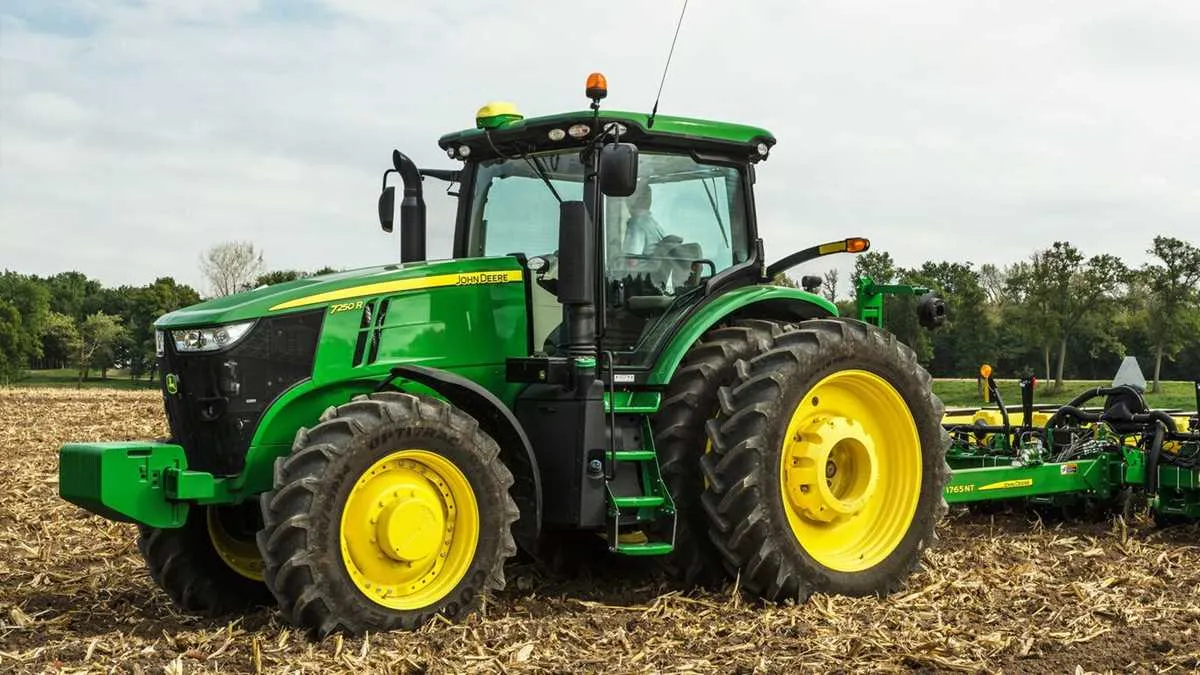
Regular maintenance of the John Deere 3010 ensures optimal performance and longevity. Start with checking the engine oil levels and replacing the oil filter. Use a high-quality oil that meets the required viscosity for your climate. A thorough engine tune-up should also include cleaning or replacing the air filter to prevent engine strain.
The spark plugs are critical for reliable engine ignition. Inspect and clean the spark plugs or replace them if necessary. This prevents misfires and ensures smooth engine start-ups. In addition, checking and adjusting the ignition timing can improve fuel efficiency and reduce emissions.
Next, the fuel system plays a significant role in engine performance. Clean or replace the fuel filter, especially if you notice poor fuel flow. It’s also recommended to inspect the fuel lines for cracks or leaks. A clogged fuel line can lead to engine stalls, so address any blockages promptly.
Finally, don’t overlook the cooling system. Ensure that the radiator is clean and that the coolant is at the proper level. Flushing the system periodically helps maintain engine temperature, preventing overheating during heavy usage.
John Deere 3010 Tune Up Specifications

To maintain the optimal performance of your John Deere 3010, adhere to the following tune-up specifications. These adjustments ensure reliable operation and longevity of the engine.
Engine Oil Change: Replace the engine oil every 100 hours of operation or annually, whichever comes first. Use SAE 30 weight oil for temperatures above 32°F (0°C) and SAE 10W-30 for colder climates.
Air Filter Inspection: Check the air filter every 100 hours or more frequently in dusty conditions. Clean or replace the filter to ensure proper airflow and engine efficiency. A clogged filter reduces engine power and fuel economy.
Spark Plug Maintenance: Inspect the spark plugs for wear every 200 hours. Clean or replace them as needed, and ensure proper gap spacing of 0.025 inches to prevent misfires and improve combustion efficiency.
Fuel System Check: Inspect the fuel lines, fuel filter, and fuel tank for leaks. Replace the fuel filter every 500 hours to maintain proper fuel flow and engine performance.
Valve Clearance Adjustment: Adjust the valve clearance every 600 hours. Incorrect valve clearance can lead to poor engine performance and reduced fuel efficiency.
Cooling System Maintenance: Ensure that the radiator is clean and free of debris. Check the coolant level regularly, and replace the coolant every 1,000 hours of operation or annually.
Battery Maintenance: Clean the battery terminals and ensure the battery is properly charged. Replace the battery every 2-3 years or when performance begins to deteriorate.
Following these guidelines ensures your John Deere 3010 runs smoothly and efficiently for many years. Always refer to the owner’s manual for specific recommendations based on your operational environment.
Engine Maintenance and Specifications
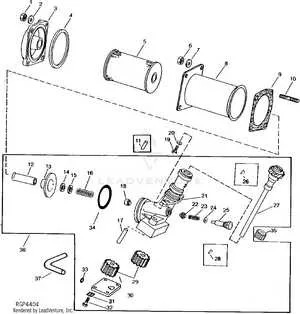
Perform regular checks on the engine oil level, ensuring it’s within the recommended range. Use high-quality oil to maintain proper lubrication and prevent wear. Replace the engine oil every 100 hours of operation or at least once a year.
Inspect the air filter every 50 hours of use. Clean or replace it if clogged or damaged to maintain optimal airflow and engine performance. A clean air filter reduces engine strain and improves fuel efficiency.
Check the fuel system regularly. Ensure that fuel filters are clean and replace them every 200 hours of operation. A clogged fuel filter can lead to reduced engine performance and fuel efficiency.
Maintain proper valve clearance. The John Deere 3010 engine requires periodic valve adjustment to keep the engine running smoothly. Adjust the valve clearance every 500 hours to avoid engine misfire or rough idling.
Inspect the spark plugs and replace them if necessary. Worn-out spark plugs can cause poor ignition, leading to engine misfires and higher fuel consumption. Spark plugs should be replaced every 200 hours or when performance issues arise.
Monitor the cooling system. Ensure the radiator is free of debris and that the coolant level is adequate. Overheating can cause severe engine damage, so it’s crucial to maintain the radiator and coolant system. Replace coolant every 2 years.
Examine the fuel injectors and clean them as required. Dirty or clogged injectors can result in inefficient fuel combustion, affecting engine performance and increasing emissions. Clean injectors every 500 hours of operation.
Inspect the engine belts for signs of wear or damage. Replace them as necessary to prevent engine overheating or other mechanical failures.
Fuel System Adjustments for Optimal Performance
Adjusting the fuel system of your John Deere 3010 ensures optimal engine performance and fuel efficiency. Start by checking the fuel filter and replace it if necessary. A clogged filter restricts fuel flow and compromises engine efficiency.
Next, inspect the fuel injectors. Clean or replace them if fuel spray patterns are uneven or if there is a noticeable decrease in power. Ensure that injector nozzles are clear and functioning correctly to avoid poor combustion.
Fuel pump calibration is another key area to check. The pump should deliver the right amount of fuel to maintain the ideal air-fuel ratio. If fuel pressure is too low or too high, adjust the pump settings accordingly.
Also, verify the fuel lines for leaks or cracks. Even small leaks can cause fuel loss and affect engine performance. Replace any damaged hoses promptly to avoid further complications.
Lastly, adjust the idle speed settings. If the engine idles too high or too low, it can lead to inefficient fuel use and increased engine wear. Use a tachometer to ensure the idle speed is within the recommended range.
Follow these steps regularly to maintain the efficiency of your John Deere 3010’s fuel system and ensure smooth operation.
Electrical System and Ignition Timing Adjustments
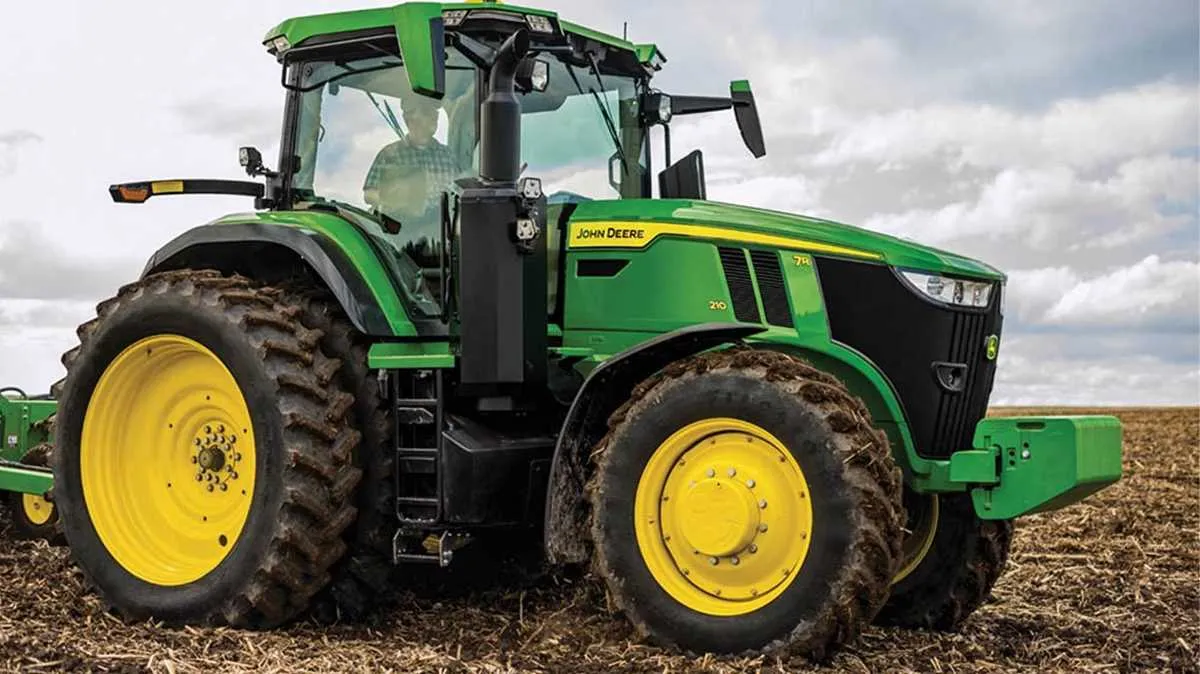
Ensure the battery voltage is within the proper range (12.6V to 12.8V) for optimal performance. Clean and tighten all electrical connections, especially at the battery terminals, starter, and alternator. A loose or corroded connection can lead to weak starts or inconsistent power supply.
Check the ignition system. Inspect the spark plugs for wear or damage and replace them if necessary. The gap should be set to 0.025 inches (0.635 mm) for consistent ignition. Clean or replace the points and condenser if your John Deere 3010 is still using a contact-point ignition system.
Verify the timing of the ignition system using a timing light. Set the ignition timing to the manufacturer-recommended specification (20° BTDC at 1,000 RPM). Adjust the distributor to achieve the correct timing. This ensures efficient combustion and prevents engine misfires or rough running.
Inspect the ignition coil for proper function. If the coil is faulty, it may cause weak sparks, leading to poor engine performance. A coil with resistance outside the recommended range should be replaced to maintain ignition strength.
Test the alternator output. It should provide approximately 14 volts when the engine is running at higher RPM. If it fails to produce the correct voltage, it may need to be repaired or replaced to ensure consistent charging of the battery.