John Deere Undercarriage Wear Specifications and Maintenance Guidelines
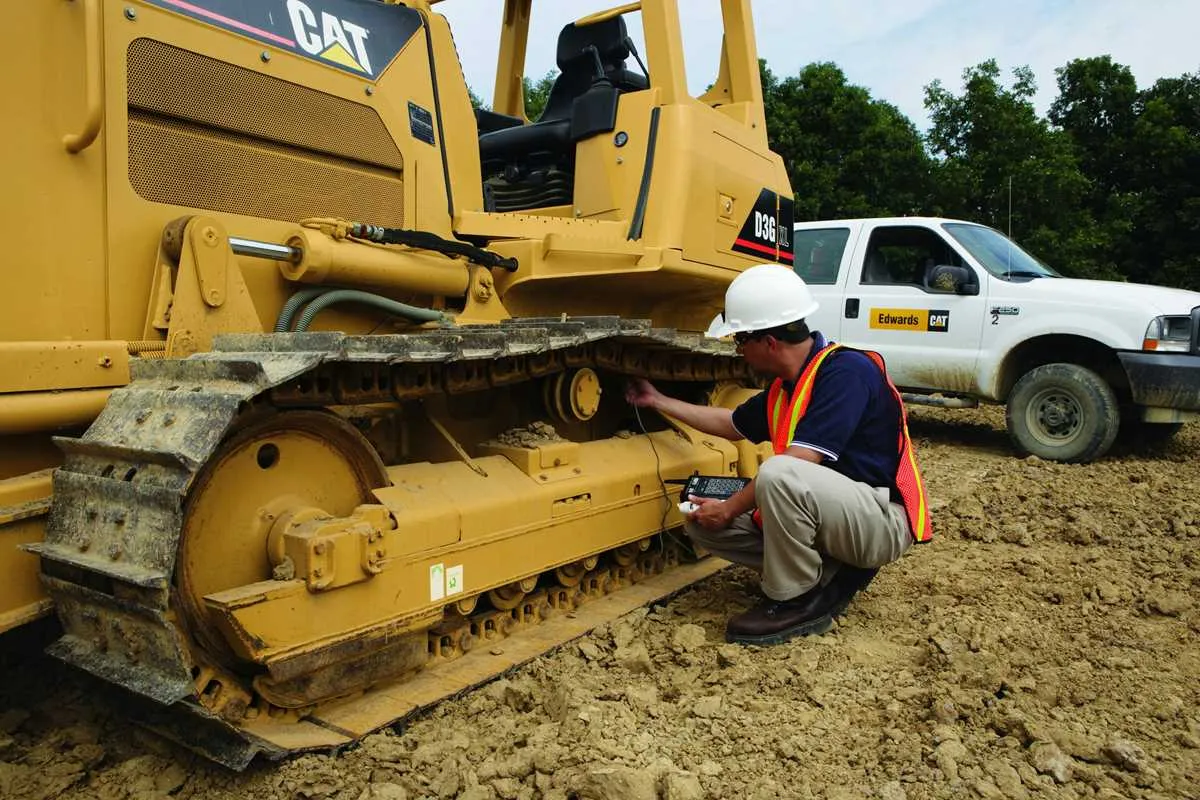
The John Deere undercarriage components play a critical role in the performance and longevity of construction equipment. Regular monitoring of wear specifications ensures these parts function optimally, preventing costly repairs and downtime. Keeping track of wear limits can help you spot potential issues early, reducing maintenance costs in the long run.
For accurate monitoring, refer to the specific wear limits for rollers, tracks, and sprockets. On many John Deere machines, track wear is measured by the amount of elongation, which should not exceed 1.5% from the original length. When sprockets or rollers show signs of excessive wear, it’s important to replace them promptly to avoid damage to other components.
Another key aspect is the track tension. It’s recommended to maintain the correct tension to prevent excessive wear on rollers and other undercarriage parts. A general guideline is to check the tension after every 100 hours of operation, ensuring that it stays within the manufacturer’s specified range. Under-tensioning or over-tensioning can both lead to premature wear, so adjustments should be made carefully.
Regular inspection of these components and adherence to wear limits significantly improves the lifespan of the undercarriage. Using genuine John Deere parts and following recommended maintenance schedules further enhances reliability and performance.
John Deere Undercarriage Wear Specs
Monitor wear regularly to prevent costly repairs. Check undercarriage components like rollers, idlers, and sprockets for signs of excessive wear. A worn-out undercarriage can impact the machine’s performance and longevity.
For John Deere equipment, use these specifications as a guideline for wear limits:
- Rollers: Replace when the wear reaches 50% of the original diameter. If the rollers show uneven wear, further investigation into the alignment and tension is necessary.
- Idlers: Inspect for any cracks or loss of integrity in the metal. Replace if the circumference is reduced by more than 10%. Worn idlers can cause misalignment and increase wear on other components.
- Sprockets: Check for tooth wear. Replace if more than 20% of the sprocket teeth are worn down. Worn sprockets can reduce track life and lead to inefficient power transfer.
Regularly inspect the tracks as well. Track links should not show excessive elongation. If the track has stretched beyond factory tolerance, replacement is required to maintain machine performance.
Adjust the track tension as needed. A loose track increases wear on rollers and idlers, while a tight track places extra stress on the sprockets and bearings.
Adhering to these wear specs ensures a longer service life and more reliable performance for your John Deere machine.
How to Measure Wear on John Deere Undercarriage Components
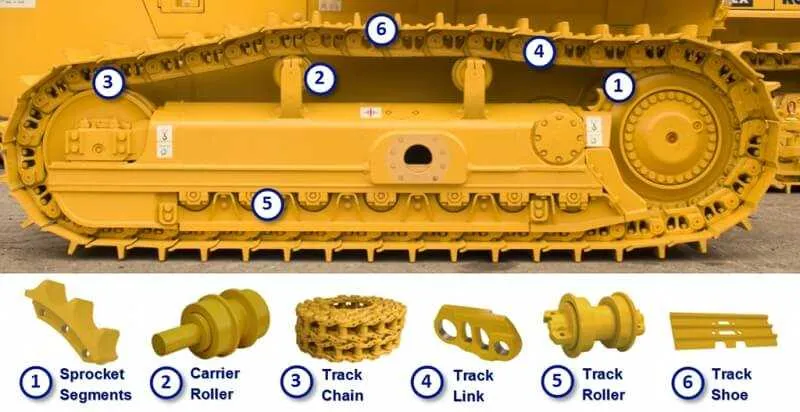
Measure the wear on the undercarriage of John Deere equipment using a caliper, micrometer, and wear gauges. Start with the track chain, checking the pitch. Measure the distance between pin centers. Compare this measurement with the factory specifications to assess wear.
Next, inspect the sprockets. The teeth should fit tightly with the track chain links. Measure the wear by checking the tooth thickness at the base and at the tip. Use a micrometer for accurate measurements. A significant reduction in thickness indicates excessive wear.
For the rollers and idlers, measure the diameter of the wheel. Track the wear by comparing the current diameter to the factory standard. Over time, these parts will become more oval-shaped, leading to uneven track tension and increased wear on other components.
Use a wear gauge to check the height of the track shoes. The minimum recommended height will be indicated in the service manual. If the height is below the specified level, it’s time to replace the track shoes to avoid damage to other parts.
Finally, inspect the track adjuster. Measure the spring tension and verify that the track remains tight and aligned. If the tension is off or the track is loose, it can cause additional strain on other undercarriage components.
Key Wear Limits for John Deere Track Rollers and Idlers
Track rollers and idlers on John Deere machines have specific wear limits that must be monitored to ensure reliable performance. Regular inspections help prevent unexpected downtime and costly repairs.
Track rollers should be replaced when the wear exceeds the following thresholds:
- Diameter reduction: 10% of the original size
- Crack formation or excessive pitting on the surface
- Distortion or excessive wear in the bushing area
- Severe damage to the seals or bearing system
For idlers, the critical wear limits include:
- Axial play: more than 3 mm beyond the manufacturer’s specifications
- Cracks or damage to the surface of the idler face
- Excessive wear of the contact surface with the track
- Failure of grease seals or contamination inside the housing
Adhering to these wear limits helps maintain the stability of the undercarriage system, ensuring efficient operation and reducing the likelihood of premature failure.
Maintaining Optimal Performance: When to Replace John Deere Undercarriage Parts
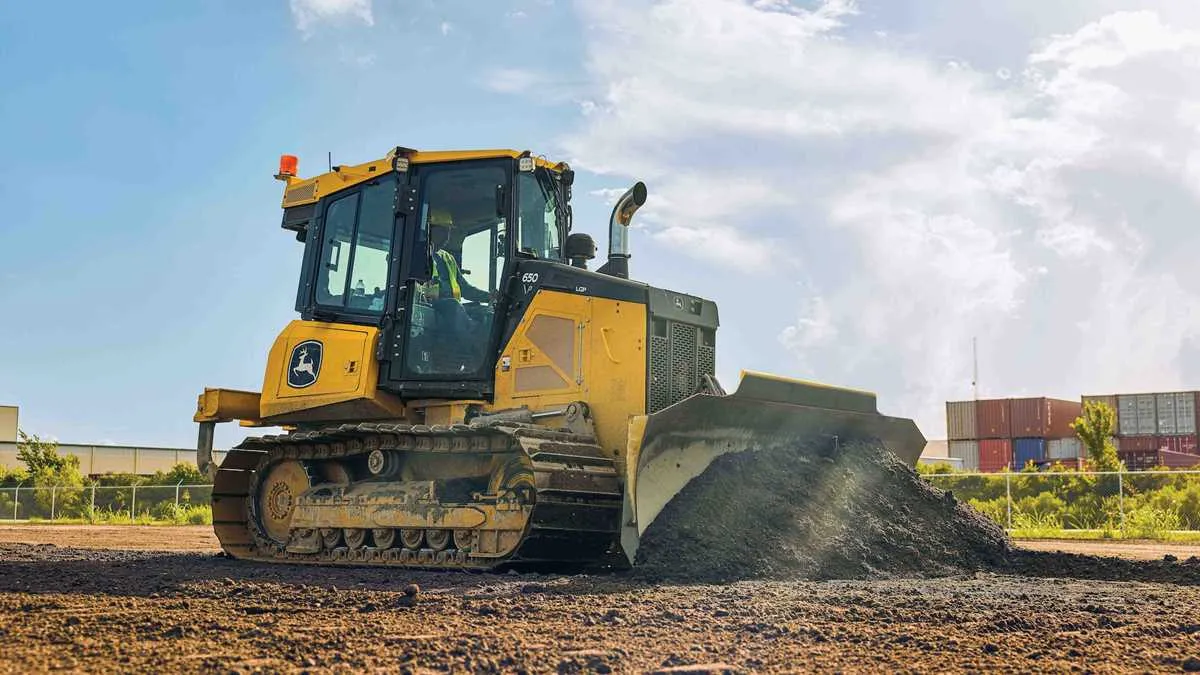
Replace the undercarriage components once wear exceeds 30-40% of the original thickness. This ensures optimal traction and stability during operation.
Inspect the sprockets, idlers, and rollers regularly for cracks or uneven wear. Any visible damage or severe wear should prompt replacement to prevent further damage to other parts.
Monitor track tension. Tracks that are too tight or too loose can increase wear on the undercarriage. Adjust tension according to manufacturer specifications, and replace components showing signs of stretching or excessive wear.
Check for excessive dirt and debris buildup in the undercarriage. If not cleaned regularly, this can accelerate wear. Replace seals and guards if they are compromised to maintain protection against contaminants.
If the undercarriage parts exhibit noticeable vibrations or instability during operation, it’s a sign that critical components may be worn down and need to be replaced.
Regular inspections will reduce unplanned downtime and extend the life of the equipment, keeping John Deere machines working at their best.