John Deere 14T Square Baler Specifications and Key Features
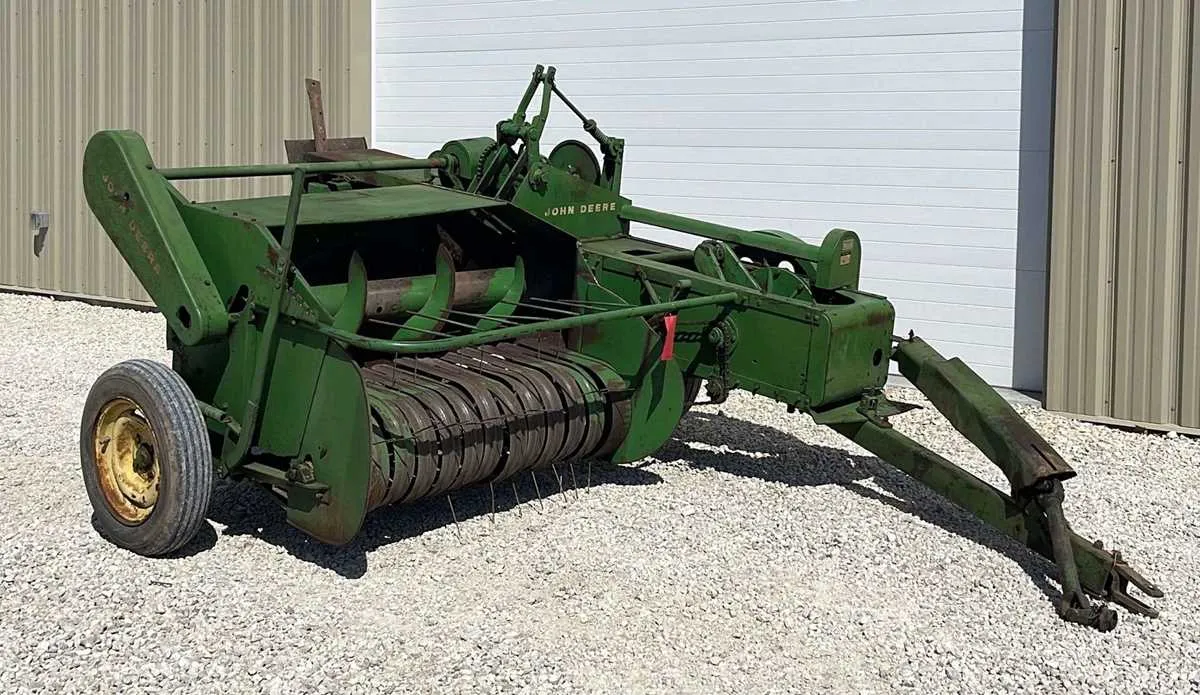
The John Deere 14T square baler is a powerful machine designed to provide high performance and reliability for small to medium-sized operations. It features a durable design that ensures long-term use under varying field conditions.
Engine and Power: The 14T baler is powered by a PTO-driven system, providing ample power for efficient baling. It requires a tractor with at least 35 horsepower, making it a suitable choice for compact tractors.
Dimensions and Bale Size: The 14T produces bales with a 14-inch width and a 18-inch height, which is ideal for handling hay, straw, or other dry materials. The size and compact design of these bales make them easier to handle and transport.
Features: The baler comes equipped with a standard twine tie system, ensuring secure bale binding. The machine also offers an adjustable bale tension system, allowing operators to customize the pressure according to the material being baled.
Maintenance Tips: Regular maintenance is essential for keeping the 14T in top condition. Check and lubricate moving parts frequently, and ensure that the PTO shaft is securely connected. Keep the knife and plunger clean and sharp for smooth operation.
The John Deere 14T square baler is built for both efficiency and ease of use, making it a dependable option for farmers looking to get the most out of their baling operations.
John Deere 14T Square Baler Specifications
The John Deere 14T Square Baler features a robust design, ensuring consistent baling performance. It operates with a pickup width of 55 inches and utilizes a 3-point hitch for easy attachment to tractors. The machine is powered by a PTO (Power Take-Off) shaft that connects to the tractor’s power system, requiring a minimum of 35 horsepower for optimal performance.
With a bale size of 14×18 inches, the John Deere 14T produces square bales with impressive uniformity. The machine can form up to 60 bales per hour depending on field conditions and crop type. The bale chamber is designed with durable materials to withstand continuous use in challenging environments.
The 14T comes equipped with a knotter system designed for reliability. The system features two knotters that tie the bales securely, reducing downtime and the need for manual intervention. Maintenance is simplified with a user-friendly design that allows quick access to key components for servicing.
For smooth operation, the baler includes a spring-loaded tensioning system, ensuring consistent bale density. The machine is built to handle various crops such as hay, straw, and grass, offering versatility for different farming operations. Additionally, its compact size makes it ideal for small to medium-sized farms, balancing efficiency and maneuverability.
The 14T also includes an adjustable twine box, which accommodates different twine sizes and allows for easy loading and unloading. The machine’s weight is approximately 1,500 pounds, providing stability during use while remaining manageable for the tractor operator.
Engine and Power Requirements of the John Deere 14T Baler
The John Deere 14T Square Baler requires a reliable power source to perform efficiently. This baler is designed to be powered by tractors that meet specific engine power requirements.
- Minimum required engine power: 35-45 horsepower
- Recommended PTO speed: 540 RPM
- Optimum tractor weight: 2,500-3,000 lbs for proper baler operation
- Fuel consumption depends on bale size and material type; it is essential to match the tractor’s power capacity with field conditions for optimal fuel efficiency
For consistent and effective performance, ensure the tractor’s PTO (Power Take-Off) system is fully functional. This connection transmits the required power from the tractor to the baler, maintaining the required bale density.
Matching the tractor’s engine power with the baler’s requirements is critical to avoid overloading the tractor and achieving consistent results. Inadequate engine power may lead to slower operation and increased wear on both the tractor and baler components.
Maintenance Tips for Optimal Performance of the John Deere 14T
Regularly inspect the baler’s main drive components to ensure proper alignment. Misalignment can lead to excessive wear and decreased efficiency. Tighten any loose bolts, and check for damaged belts or pulleys.
Lubricate all moving parts, including the gearbox, bearings, and the knotter mechanism. This reduces friction, extends component life, and prevents overheating. Use the manufacturer’s recommended oil and grease for best results.
Check the tension of the twine system regularly. Incorrect tension can cause uneven bales and straining of the knotter system. Adjust the tension to maintain optimal performance, ensuring the bales are properly tied every time.
Clean the baler after every use to prevent debris from accumulating in the working components. Dirt and straw can cause clogs and affect the efficiency of the baling process. Use a blower or compressed air to remove particles from the machine.
Inspect the hydraulic system for leaks or damage. Ensure that hoses are in good condition and that hydraulic fluid levels are adequate. Low fluid levels can lead to slower operation and potential damage to the hydraulic components.
Examine the bale chamber for wear and tear, especially the floor and the sides. If there are any signs of excessive damage, repair or replace the parts to maintain proper bale compression.
Regularly test the safety systems and emergency stop mechanisms. These are vital for safe operation, especially in case of a malfunction or emergency. Check the electrical connections and ensure all safety features are functional.
Schedule an annual check-up with a professional technician to identify potential issues before they become serious. Preventive maintenance can save both time and money by addressing problems early.
Key Features of Bale Size and Density Control in the John Deere 14T
The John Deere 14T square baler features an adjustable bale size mechanism, allowing operators to set the desired bale dimensions for consistent output. The bale chamber is equipped with a highly effective control system that adjusts the pressure to maintain uniform bale density. By monitoring the bale formation, this system ensures optimal compaction, which leads to a more efficient transport and storage process.
The bale size can be easily adjusted using the manual settings, offering flexibility depending on the crop conditions. The maximum bale size is 14 inches by 18 inches, ideal for small to medium-sized bales. The density control system uses a hydraulic system to regulate the pressure in the chamber, ensuring consistent bale weight, which improves productivity and reduces the number of handling cycles during baling.
The integration of these control features enhances the baler’s performance, ensuring that bales are compact and stable, minimizing the risk of damage during transport. The system also helps reduce wear and tear on the machine, as the consistent pressure prevents overworking of internal components.