John Deere Equipment Specifications and Features Overview
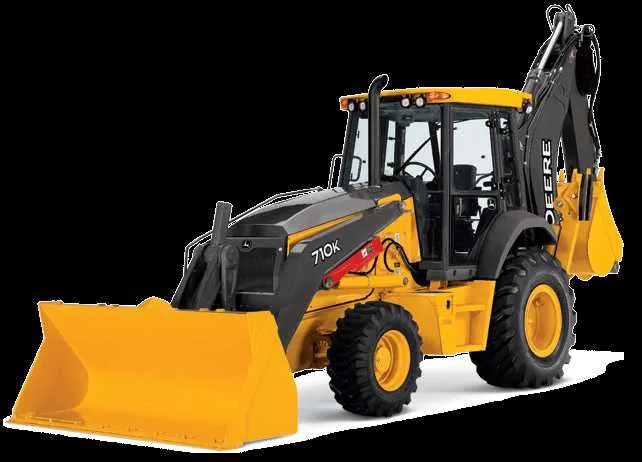
For accurate and reliable performance, always refer to the precise specifications of John Deere equipment. Knowing the engine power, dimensions, and weight capacity can significantly impact how well the equipment fits into your operations. Understanding the engine type and transmission options will ensure you select the right machine for your tasks.
John Deere machines offer a wide range of capabilities. The John Deere 5055E, for instance, features a 55 horsepower engine and 4WD, making it ideal for light utility work. On the other hand, larger models like the John Deere 9570R deliver up to 570 horsepower, providing unmatched power for demanding farm operations. Pay attention to the torque and fuel efficiency for long-term cost savings and performance optimization.
To make informed decisions, always check the machine’s lifting capacity, turning radius, and hydraulic flow. These specs define the machine’s ability to handle different attachments and work in confined spaces. Whether you’re using a loader or plow, precise hydraulic flow rates ensure smooth operation and faster task completion.
John Deere Equipment Specifications
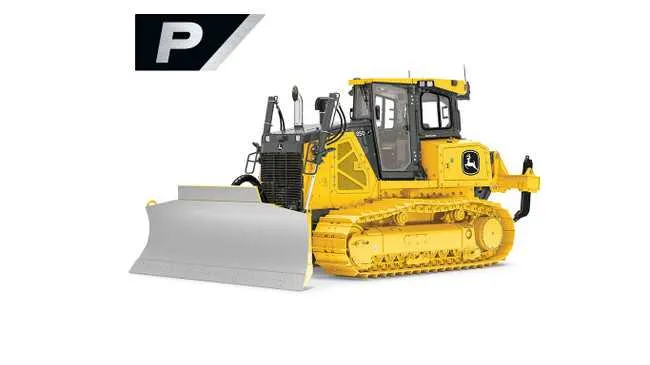
John Deere machines are built for durability and high performance. Specifications vary depending on the model and purpose. For example, the John Deere 1025R tractor is equipped with a 24.2 horsepower engine and comes with a hydrostatic transmission system, making it ideal for small to medium-scale tasks like landscaping and material handling.
The John Deere 5055E, on the other hand, boasts a 55 horsepower engine and a 12F/4R transmission, perfect for farming and larger applications. Its high ground clearance and rugged tires allow it to perform well on rough terrain.
For those requiring advanced technology, the John Deere 8R Series combines precision farming tools with powerful 6-cylinder engines ranging from 230 to 410 horsepower. These machines are compatible with GPS tracking systems and come with an advanced CommandCenter for monitoring performance and diagnostics.
When selecting a John Deere machine, focus on the horsepower, transmission type, and specific features like PTO capability or hydraulic lift capacity. These specifications directly affect performance, fuel efficiency, and the range of tasks the equipment can handle.
Engine Power and Performance Metrics for John Deere Tractors
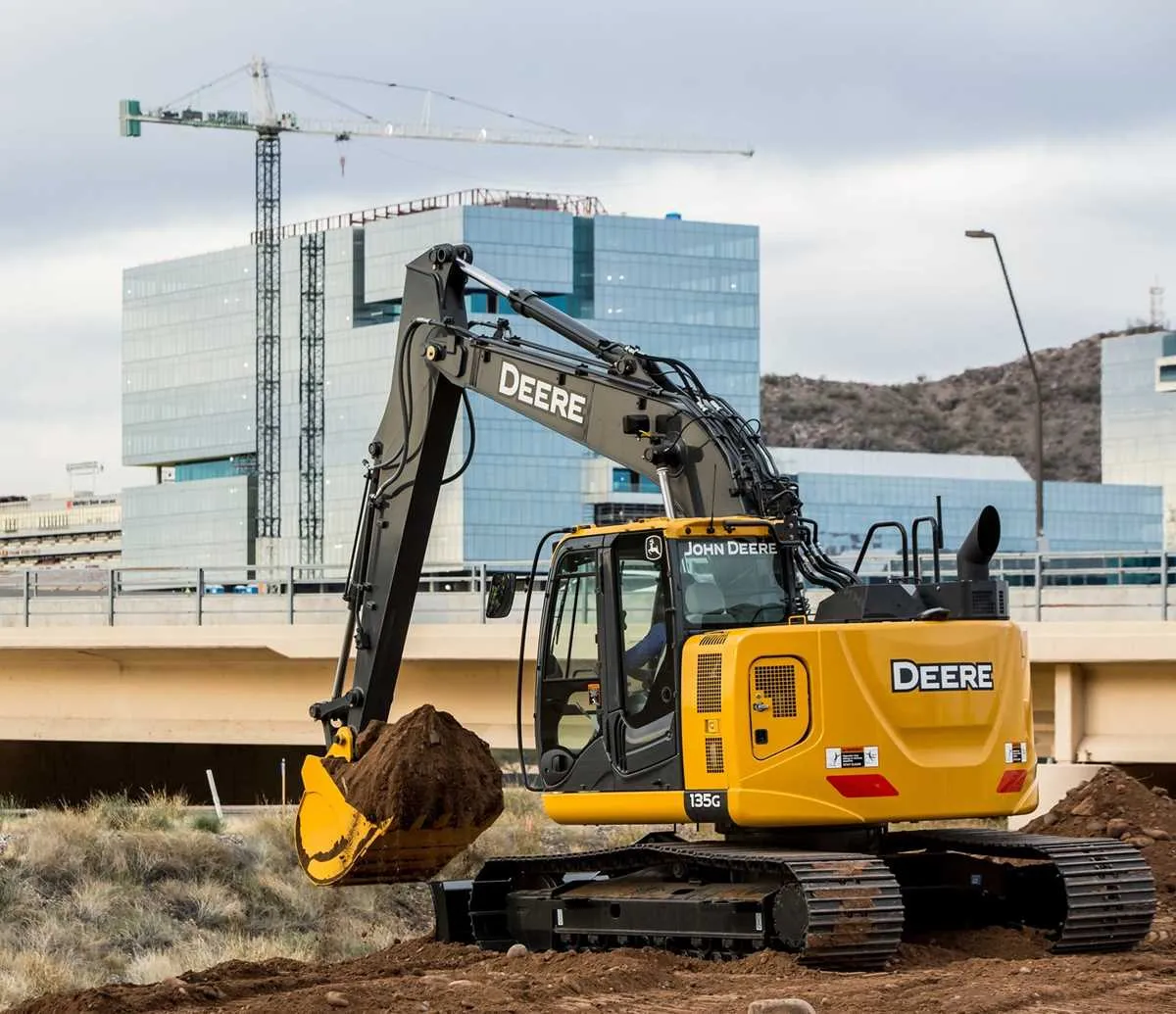
John Deere tractors deliver consistent power across a range of models, making them reliable for various farming tasks. Engine power is measured in horsepower (hp), and each model offers distinct performance metrics tailored to specific applications.
The John Deere 5E series offers engines ranging from 55 hp to 75 hp, delivering efficient fuel usage and a smooth balance between power and weight. This series is ideal for light to medium-duty tasks like tilling, mowing, and haying.
For more demanding jobs, the John Deere 6M series steps up the game with engines producing between 105 hp and 155 hp. The engines in this series incorporate high-pressure common rail fuel injection for improved fuel efficiency and lower emissions. This makes the 6M suitable for medium to heavy-duty work, such as plowing and harvesting.
The John Deere 7R series reaches 290 hp at maximum output, making it perfect for high-performance needs. It includes advanced turbocharging and intercooler systems, ensuring the engine can handle intensive tasks like large-scale tillage or high-speed transport while maintaining optimal fuel efficiency.
For those who need sheer horsepower, the John Deere 9R series stands out with an engine capable of reaching up to 540 hp. This series is engineered for the most extreme conditions, such as deep tillage or large-scale planting operations. Its intelligent transmission system ensures seamless shifts and maximized power delivery.
Each model in John Deere’s lineup also features performance metrics such as torque, which is critical for tasks requiring low-speed pulling. Torque values across the series vary from 250 lb-ft in the 5E models to over 2,200 lb-ft in the 9R series. This ensures that whether you need sustained pulling power or rapid acceleration, John Deere engines can provide exactly what you need.
John Deere tractors also integrate PowerTech technology, ensuring maximum engine performance while reducing fuel consumption. The combination of power output, torque, and fuel efficiency across these models makes them suitable for a wide range of agricultural tasks.
Comparing Hydraulic System Specifications Across John Deere Models
To maximize performance and ensure proper functionality, it’s important to know the hydraulic system specs of different John Deere models. Here’s a breakdown of how key parameters like flow rate, pressure, and pump capacity vary across popular machines.
- John Deere 1025R: The hydraulic system delivers 7.9 gpm of flow at 2,250 psi, suitable for light-duty tasks and compact attachments.
- John Deere 2038R: Offers a higher flow rate of 12.3 gpm at 2,900 psi, supporting mid-range implements like loaders and backhoes.
- John Deere 5055E: Equipped with a 13.2 gpm hydraulic pump, it operates at 2,900 psi, designed for demanding applications with larger implements.
- John Deere 6120M: The hydraulic system on this model provides 22.5 gpm at 3,300 psi, allowing for high-performance attachments like heavy-duty mowers or tillers.
Comparing these values helps to determine which model is best suited for your specific needs. For lighter tasks, the 1025R may suffice, while for larger-scale operations requiring increased flow and pressure, the 6120M is a better choice.
Pay attention to the hydraulic capacity and ensure compatibility with your attachments. Inadequate system specs can lead to reduced productivity or potential damage to the equipment.
Maintenance and Service Intervals for John Deere Equipment
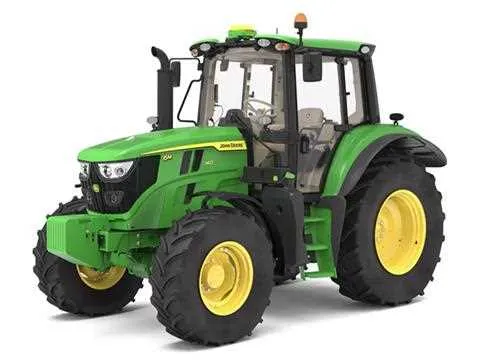
Service intervals for John Deere machinery vary depending on the model and type of equipment. Always follow the manufacturer’s recommendations for optimal performance. For most models, it’s recommended to perform regular inspections after every 50 to 100 hours of operation, which includes checking fluid levels, cleaning air filters, and inspecting belts.
For engine oil changes, John Deere suggests replacing the oil every 250 hours for typical usage. However, in dusty or demanding environments, more frequent oil changes might be necessary, usually around every 150 hours. Always use the recommended oil type for your specific machine to ensure proper lubrication.
Hydraulic system maintenance is key to ensuring smooth operation. Check the hydraulic fluid level regularly and replace it every 1,000 hours or annually, depending on usage. It’s also important to inspect hoses and fittings for wear and tear, as leaks can cause performance issues.
Fuel filters should be replaced every 500 hours to prevent clogging and ensure the engine runs efficiently. Air filters require replacement at the same interval, or sooner if operating in heavy dust conditions. A clean air filter is crucial for maintaining engine performance and longevity.
Tire pressure and alignment checks are vital for maintaining handling and stability. Inspect tire pressure every 100 hours and adjust as needed. Overinflated or underinflated tires can lead to uneven wear and compromised safety.
Track and undercarriage maintenance is important for crawler models. Inspect tracks every 500 hours for wear, ensuring proper tension and alignment. Replace or adjust tracks based on the manufacturer’s guidance to prevent damage to the undercarriage system.
Follow the machine’s service manual for specific schedules and always use John Deere-approved replacement parts to maintain warranty coverage. Regular maintenance keeps your equipment running smoothly and extends its service life.