John Deere 318 Battery Specifications and Features for Optimal Performance
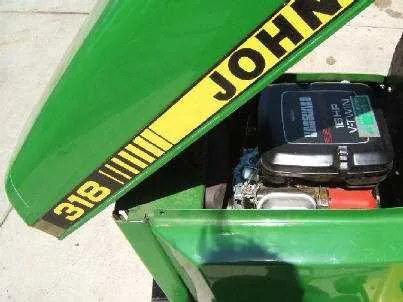
For optimal performance of your John Deere 318, selecting the right battery is key. This model requires a 12-volt battery with a cold cranking amps (CCA) rating of at least 230. The recommended battery size is Group 24, which fits comfortably in the engine compartment while delivering the power needed for reliable starts in various conditions.
Pay attention to the dimensions as well–this model typically uses a battery that measures 10.25 inches in length, 6.75 inches in width, and 8.88 inches in height. These measurements ensure a snug fit and proper connection. It’s advisable to choose a battery with a reserve capacity of 160 minutes or higher for uninterrupted use during extended periods of operation.
When replacing the battery, make sure it meets the manufacturer’s specifications for voltage and amperage. Batteries with higher CCA ratings may offer better performance in colder climates, but make sure it’s compatible with your equipment to avoid any potential issues. Regularly check the battery’s charge level and clean the terminals to maintain efficient operation.
John Deere 318 Battery Specifications
The John Deere 318 uses a 12-volt lead-acid battery, specifically designed to meet the demands of its 18 horsepower engine and provide reliable starting power. The standard battery size is Group 24, which offers a capacity of 225-230 CCA (cold cranking amps). This ensures it performs well in colder conditions, making it ideal for year-round use.
For optimal performance, a fully charged battery should provide about 12.6 volts. If the voltage drops below 12 volts, it’s time to recharge or replace the battery. Regularly check the terminals for corrosion and ensure they are tightly secured to maintain proper electrical flow.
When replacing the battery, always select a compatible Group 24 battery with the same voltage and capacity. The battery’s dimensions are generally 10.25” (L) x 7.25” (W) x 9.25” (H), ensuring it fits snugly in the tractor’s battery compartment. Make sure to choose a battery with similar or higher CCA ratings to guarantee smooth starting in various weather conditions.
For longer battery life, avoid leaving the battery in a discharged state for extended periods. If storing the tractor, remove the battery and keep it in a cool, dry place, charging it periodically to prevent discharge.
Choosing the Right Replacement Battery for John Deere 318
To replace the battery in your John Deere 318, focus on matching the correct specifications for optimal performance. The key is to select a 12-volt, 35-amp-hour battery with similar dimensions to the original. A few options stand out as reliable replacements:
- Group 24 battery size (most common for the John Deere 318).
- Ensure the cold cranking amps (CCA) meet or exceed 300 for consistent starting power, especially in cold conditions.
- Look for a maintenance-free option to avoid regular upkeep and ensure longer life.
Keep the terminal positions in mind, as mismatched configurations may affect the installation process. Double-check that the terminals are positioned properly to avoid potential wiring issues.
For best results, choose a sealed lead-acid battery, which offers both performance and reliability. Avoid opting for lower amp-hour models, as they may not provide enough power during long operations.
Lastly, consider reputable brands such as Exide, Interstate, or Duracell, as they tend to offer dependable batteries with long service lives. Before purchasing, compare warranty options to ensure you’re covered in case of early failure.
How to Properly Install a New Battery in John Deere 318
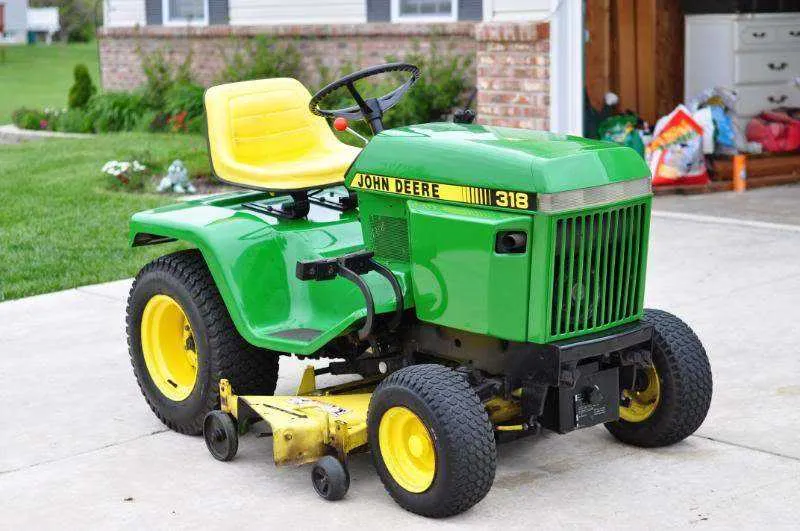
To install a new battery in your John Deere 318, begin by ensuring the engine is off and the ignition is in the “off” position. Locate the battery compartment under the seat and remove the access cover. If necessary, clean the surrounding area to prevent dirt from getting inside the battery tray.
Next, disconnect the negative (-) battery cable first. This minimizes the risk of a short circuit. Use a wrench to loosen the nut on the cable clamp and gently remove the cable from the terminal. Afterward, disconnect the positive (+) cable in the same manner.
Once both cables are disconnected, remove the old battery. You may need to remove a securing bracket or strap that holds it in place. Lift the battery carefully, as it can be heavy.
Place the new battery in the compartment with the terminals facing the correct direction. Make sure it sits securely in the tray, and if there’s a bracket or strap, reattach it to hold the battery in place.
Now, connect the positive (+) cable to the positive terminal first. Tighten the connection with a wrench. After securing the positive cable, connect the negative (-) cable to the negative terminal and tighten it as well.
Check that both connections are secure and that there’s no movement of the battery. Reinstall the access cover and ensure everything is in place before testing the new battery.
Finally, turn the ignition to the “on” position and check that the engine starts without any issues. If it starts smoothly, the battery installation is complete.
Common Battery Issues and Troubleshooting for John Deere 318
If your John Deere 318 struggles to start, the battery could be the main culprit. The most common issues include weak charge, corrosion, or a faulty charging system.
Start by checking the battery voltage. A fully charged battery should read between 12.6 and 12.8 volts when the engine is off. If it’s lower than that, charge the battery using a proper charger and test again.
Inspect the battery terminals for corrosion. Clean any buildup with a wire brush or a mixture of baking soda and water. Corroded terminals can prevent proper power flow and cause starting issues.
If your battery voltage is fine but the tractor still won’t start, the charging system might be faulty. Test the alternator output while the engine is running. It should read between 13.5 and 14.5 volts. If it’s below that, the alternator or voltage regulator could be malfunctioning.
Another possible issue is a worn-out battery. Over time, batteries lose their ability to hold a charge. If the battery is more than 3–4 years old and shows no improvement after charging, it may need replacement.
Lastly, check for any loose or damaged wiring connections. A poor connection can prevent the battery from charging correctly. Tighten any loose wires and repair any damaged cables as necessary.