John Deere S770 Specifications and Features Overview
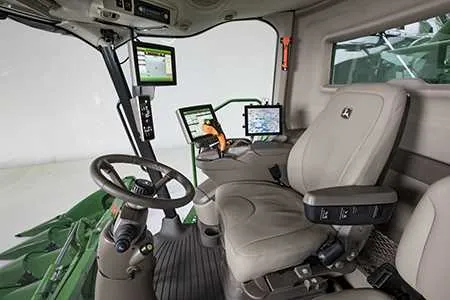
For optimal performance, the John Deere S770 combine harvester offers advanced features tailored to meet high productivity needs. With its impressive horsepower and efficient fuel system, it ensures excellent operational output across various harvesting conditions.
The machine is equipped with a powerful engine that provides significant torque, ensuring smooth operation in all field conditions. The high-capacity grain tank and efficient unloading system enhance the overall work rate, reducing downtime during harvesting operations.
When it comes to durability, the S770 stands out with its robust construction and reliable drivetrain. These components ensure long-lasting performance and minimal maintenance needs, keeping operating costs low while maximizing efficiency.
John Deere S770 Combine Specifications
The John Deere S770 combine is designed for high productivity and reliable performance in various harvesting conditions. It features a powerful 9.0-liter engine with an output of 373 horsepower, providing ample power for demanding tasks. The combine’s engine is paired with the CommandCenter display, which offers intuitive controls and real-time data, ensuring operators can adjust settings with ease for optimal results.
The cutting width of the S770 reaches up to 35 feet, enabling efficient harvesting of large swathes of crops. The header height can be precisely adjusted, allowing for optimal clearance across different crop types. This ensures minimal crop loss during harvesting, particularly in uneven fields.
The combine’s SmartClean system maintains the grain quality by efficiently cleaning the harvested material with a powerful separation and cleaning system. With a grain tank capacity of 400 bushels, the S770 can handle large volumes without frequent unloading, increasing efficiency during harvest periods.
Additionally, the S770 is equipped with advanced technology like AutoTrac, offering automatic steering and reducing operator fatigue. This system ensures straight rows and minimizes overlaps, enhancing fuel efficiency and productivity over long hours of operation.
For maintenance, the S770 is built for convenience. Components such as the grain tank and engine are easily accessible, reducing downtime for repairs and routine checks. Operators can also monitor machine health via the JDLink system, which sends diagnostic data directly to service teams, enabling proactive maintenance and minimizing costly repairs.
Engine Power and Performance Capabilities
The S770’s engine delivers an impressive performance, powered by a 9.0-liter engine that produces up to 375 horsepower. This robust engine ensures maximum efficiency while maintaining low fuel consumption. The engine is optimized to provide consistent power output, allowing for effective operation in demanding conditions.
With its high torque, the engine can handle a variety of tasks with ease, offering reliability across various terrains and crop conditions. The machine is equipped with advanced engine management systems that adjust to different workloads, ensuring that the S770 always operates at its peak performance level.
The combination of power and efficiency makes this combine ideal for large-scale harvesting, reducing downtime and enhancing overall productivity. This power system ensures that operators can complete tasks faster without sacrificing fuel economy or engine longevity.
Operational Features for Field Efficiency
The S770 offers remarkable field efficiency through its high-performance engine and precise control systems. It optimizes fuel usage and maximizes productivity, even in demanding conditions. The automatic adjustment of speed and load ensures consistent performance, regardless of terrain.
Utilizing advanced grain loss monitoring technology, the S770 minimizes waste and improves harvest quality. The machine’s adaptive header height control further reduces operator workload, allowing for precise harvesting across varying field conditions. This leads to better crop retention and smoother workflows.
The machine’s hydraulic system is designed to deliver reliable power for header and attachment operations. This results in quick response times and minimal downtime during field operations. Additionally, the auto-steering system reduces operator fatigue and increases accuracy, especially in large fields with straight rows.
Enhanced visibility from the operator’s cab helps in making informed decisions quickly. With real-time data on machine performance, operators can adjust settings as needed, ensuring optimal efficiency without interrupting the workflow.
Maintenance Requirements and Serviceability Insights
Regular maintenance is key to the performance and longevity of the S770 combine. Adhering to a structured service schedule will prevent major issues and ensure optimal functionality during field operations.
Routine inspections should focus on the following areas:
- Engine and Transmission: Check fluid levels regularly, particularly engine oil and hydraulic fluid. Inspect belts and hoses for wear, and replace them if necessary to prevent operational disruptions.
- Air Filtration System: Replace air filters based on usage hours. Clogged filters can reduce engine efficiency and fuel economy.
- Hydraulic System: Ensure hydraulic fluid is at the proper level and monitor for any leaks. Servicing pumps, valves, and cylinders is essential to maintain lift and steering performance.
- Cooling System: Inspect radiators and cooling lines. Clean debris from the cooling fins to maintain proper engine temperature and prevent overheating.
- Cleanliness and Lubrication: Grease all moving parts according to the manufacturer’s guidelines to reduce friction and wear. Regular cleaning of key components helps to maintain optimal performance.
For detailed service, it’s recommended to:
- Follow the manufacturer’s suggested maintenance intervals.
- Use OEM replacement parts to maintain reliability.
- Check software updates for the machine’s onboard systems for improved diagnostics and performance.
Access to key service points is simplified, making repairs quicker. The layout allows for easy reach to common areas, minimizing downtime during servicing. Keep an eye on wear indicators and replace parts as soon as they approach their service life limits.