Complete Specifications and Features of the John Deere 744 Loader for Practical Use
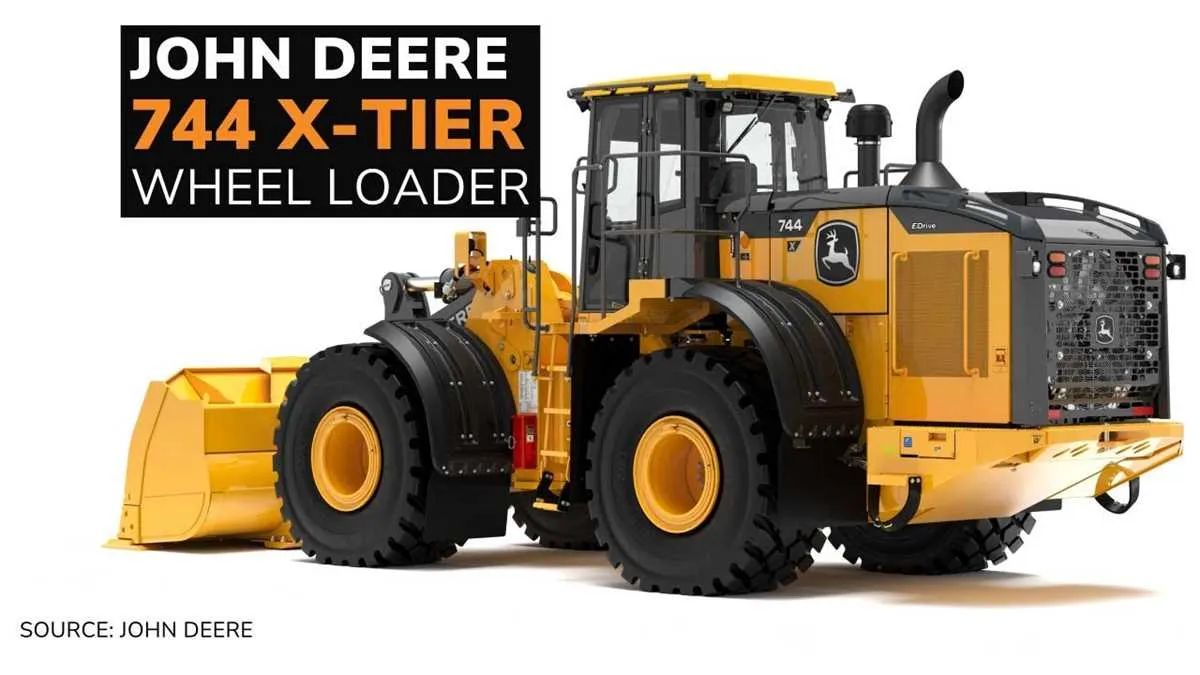
The John Deere 744 loader delivers a rated operating capacity of approximately 6,000 pounds, making it suitable for medium to heavy-duty tasks. Its engine produces around 140 horsepower, enabling consistent performance across various applications.
This model features a bucket capacity ranging between 3.5 to 4.5 cubic yards, optimized for efficient material handling. The hydraulic system operates at a pressure of about 3,000 psi, ensuring smooth and responsive control during loading and lifting operations.
The overall machine weight sits near 28,000 pounds, contributing to stability without sacrificing maneuverability. The loader’s lift height reaches up to 12 feet, allowing it to handle a broad range of loading requirements. Standard tire options include 20.5-25 sizes, designed to provide good traction and support on diverse terrains.
Detailed Specifications and Key Features of the John Deere 744 Loader
The John Deere 744 loader delivers reliable performance with a 143 horsepower engine, ensuring strong power output for heavy-duty tasks. It features an operating weight of approximately 28,000 pounds, providing stability and balance during material handling.
Bucket capacity ranges from 3.5 to 4.5 cubic yards, allowing efficient loading and transport of various materials. The loader’s lift capacity reaches up to 10,500 pounds at full height, enabling it to manage bulky loads with ease.
The hydraulic system operates at 3,000 psi, providing smooth and responsive control of lift and tilt functions. This ensures precise maneuvering during loading and unloading operations. The John Deere 744 offers a breakout force of 12,000 pounds, maximizing digging efficiency and material penetration.
Operator comfort comes from an ergonomically designed cab with clear visibility and intuitive controls, reducing fatigue during extended shifts. The loader also includes a robust cooling system that maintains optimal engine temperature, enhancing durability under demanding conditions.
Maintenance access points are conveniently placed, simplifying routine checks and servicing. The 744 uses a reliable transmission system with multiple gears, ensuring consistent power delivery across different working speeds.
This loader suits a variety of applications including construction, agriculture, and material handling, thanks to its combination of power, capacity, and operational control.
Engine Performance and Hydraulic System Details of John Deere 744 Loader
The John Deere 744 loader features a robust 6-cylinder diesel engine delivering 160 horsepower at 2,200 RPM. This engine provides reliable torque, ensuring steady power output for heavy lifting and continuous operation under load. The displacement of 8.1 liters supports efficient fuel consumption without sacrificing performance.
The engine’s turbocharged design enhances air intake, improving combustion efficiency and response time. It includes an electronic fuel injection system that maintains precise fuel delivery, optimizing power and reducing emissions. The cooling system uses a high-capacity radiator to maintain optimal operating temperature during extended use.
The hydraulic system operates at a maximum pressure of 3,000 PSI, powering two variable-displacement pumps with a combined flow rate of 60 gallons per minute. This setup guarantees smooth and responsive hydraulic functions, such as boom lift, tilt, and auxiliary attachments.
Hydraulic cylinders employ heavy-duty seals and hardened steel rods to resist wear and maintain long-term reliability. The system features a priority flow control valve, which allocates hydraulic power efficiently between steering and loader functions, improving maneuverability and lifting speed.
The loader’s hydraulic oil reservoir holds 45 gallons, equipped with a filtration system that removes contaminants and extends component life. Routine maintenance of filters and fluid levels ensures consistent hydraulic performance and prevents premature system failures.
Combined, the engine and hydraulic system provide dependable force and precision control, meeting the demands of diverse loading tasks on construction sites and agricultural operations.
Load Capacity, Lift Height, and Operational Limits for John Deere 744 Loader
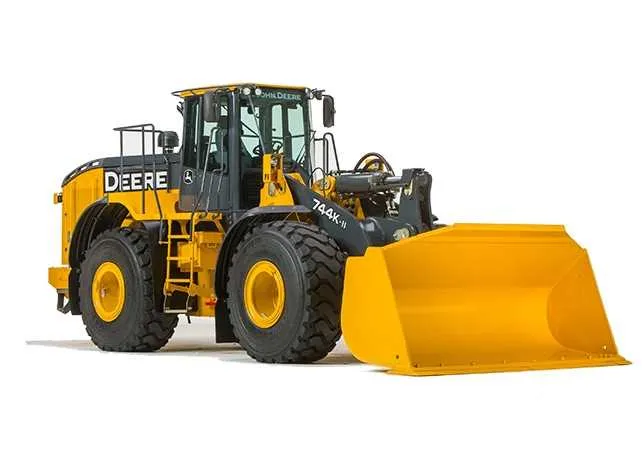
The John Deere 744 loader supports a rated load capacity of approximately 9,000 pounds (4,082 kg), enabling efficient handling of heavy materials without compromising stability. This capacity applies to standard bucket configurations under typical working conditions.
Lift height reaches up to 11 feet 6 inches (3.5 meters) at the bucket hinge pin, providing ample clearance for loading trucks or stacking materials. This height supports versatile applications in construction, agriculture, and industrial tasks.
- Maximum Load Capacity: 9,000 lbs (4,082 kg)
- Lift Height to Hinge Pin: 11 ft 6 in (3.5 m)
- Reach at Maximum Lift: Approximately 3 feet (0.91 m) forward
- Bucket Size Compatibility: Typically 3 to 4 cubic yards depending on material density
Operational limits require maintaining load balance to avoid tipping risks, especially at full lift height. The loader’s hydraulic system sustains smooth and steady movement within these parameters. Exceeding load or height limits risks structural stress and reduced maneuverability.
For optimal performance:
- Do not exceed the rated load capacity for your specific bucket or attachment.
- Maintain the center of gravity low by keeping loads close to the loader arms during transport.
- Use gradual hydraulic movements to prevent sudden load shifts at height.
- Regularly inspect loader arms and hydraulic components for signs of wear or damage.
Following these guidelines maximizes the 744 loader’s reliability and safety during demanding tasks.
Maintenance Requirements and Recommended Service Intervals for John Deere 744 Loader
Change engine oil and filter every 250 hours to protect the engine from wear and maintain optimal performance. Use manufacturer-approved oils to ensure compatibility.
Inspect and replace hydraulic fluid and filters every 1000 hours. Check for leaks and maintain proper fluid levels weekly to avoid system damage.
Grease all pivot points, pins, and bushings every 50 hours to minimize wear and extend component life. Use a high-quality lithium-based grease.
Check tire pressure and condition weekly. Maintain recommended pressure to improve fuel efficiency and prevent uneven tire wear.
Inspect air filter every 250 hours and replace if clogged or damaged. Operating with a clean air filter ensures proper airflow and engine efficiency.
Drain water and sediment from fuel filters every 500 hours and replace filters as needed to prevent fuel system contamination.
Examine belts and hoses every 500 hours for cracks or signs of wear. Replace any compromised parts immediately to avoid breakdowns.
Test battery condition and clean terminals every 250 hours to ensure reliable starting and electrical performance.
Perform a full machine inspection every 1000 hours, including checking frame integrity, fasteners, and safety equipment. Address any issues before they lead to costly repairs.