John Deere 70 Series Combine Specifications and Features
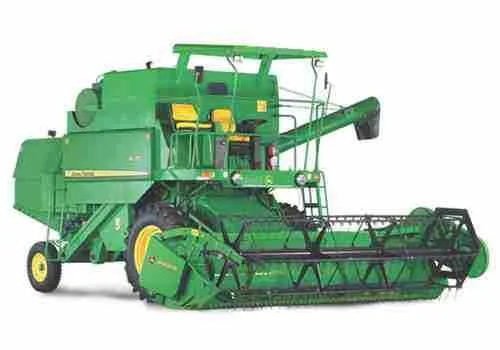
John Deere 70 Series combines are designed for operators who need robust, reliable machinery for large-scale harvesting. With advanced engineering and high-performance features, these combines stand out in the field. If you’re considering one for your operation, it’s important to understand the specific features that drive its efficiency and productivity.
The engine of the John Deere 70 Series combines delivers a high level of power to ensure consistent performance under heavy loads. It’s equipped with engines ranging from 225 to 400 horsepower, providing the necessary strength to handle diverse crops. Operators can expect smooth operation even in challenging conditions.
Harvesting capacity is another standout feature of the 70 Series. These combines are designed to efficiently harvest a wide variety of crops, including wheat, corn, and soybeans, with adjustable settings to suit different grain types. The 70 Series combines boast large grain tanks and high unloading speeds, reducing downtime during harvest. This makes the series particularly beneficial for large-acreage operations where speed and efficiency are crucial.
Technological advancements integrated into these combines enhance user experience and improve productivity. The combines come equipped with JDLink™ technology, offering real-time diagnostics and remote monitoring. Additionally, operators benefit from the AutoTrac™ system, providing hands-free steering to reduce operator fatigue and improve accuracy, especially during long working hours.
John Deere 70 Series Combine Specifications
The John Deere 70 Series combines offer impressive specifications tailored to modern farming needs. These machines are built for reliability, ease of use, and high performance, providing an optimal harvesting experience. Below are the key specifications for the John Deere 70 Series combines.
| Model | Engine Power (hp) | Fuel Tank Capacity (gal) | Grain Tank Capacity (bu) | Harvesting Width (ft) | Weight (lbs) |
|---|---|---|---|---|---|
| John Deere S760 | 335 | 330 | 350 | 30 | 28,000 |
| John Deere S770 | 375 | 330 | 400 | 35 | 29,500 |
| John Deere S780 | 400 | 330 | 450 | 40 | 31,000 |
Each model in the John Deere 70 Series is designed with different power outputs and grain tank capacities to suit various farming operations. The S760 model offers a balanced performance for mid-sized farms, while the S780 is ideal for large-scale operations with its higher power and extended harvesting width.
For those focused on fuel efficiency, the 70 Series combines come equipped with advanced fuel systems, providing a significant reduction in fuel consumption during long harvesting periods. The robust engines ensure consistent power output while maintaining optimal fuel usage. Additionally, these machines feature an easy-to-navigate cab with advanced technology for precision farming, allowing farmers to monitor and manage operations effectively.
By choosing the appropriate model from the John Deere 70 Series, farmers can optimize their harvest while minimizing downtime and maximizing productivity on the field.
Engine Power and Performance of the John Deere 70 Series
The John Deere 70 Series combines are equipped with high-performance engines designed to deliver exceptional power for demanding field conditions. The 6.8L and 9.0L engines provide robust output, ensuring smooth and efficient operation during harvest. For instance, the 7700 and 7800 models offer up to 380 and 400 horsepower, respectively, meeting the needs of larger operations.
The power generated by these engines translates into superior threshing and separation capabilities, making the John Deere 70 Series ideal for high-output harvesting. With advanced fuel injection systems and variable fan speed, these machines optimize fuel consumption while maintaining peak performance across various field conditions.
Engine performance is further enhanced by the integration of the eHydro transmission, which ensures that power is effectively delivered to the wheels. This results in quicker response times and improved productivity, particularly in challenging terrains. Additionally, the engine’s durability is supported by advanced cooling and filtration systems, reducing downtime and increasing reliability over extended use.
In summary, the John Deere 70 Series combines deliver exceptional power and performance, with engines that are built to handle demanding tasks while maintaining efficiency and durability. Whether you’re working in small or large fields, these machines provide the power needed for maximum productivity.
Fuel Consumption and Efficiency in the John Deere 70 Series Combines
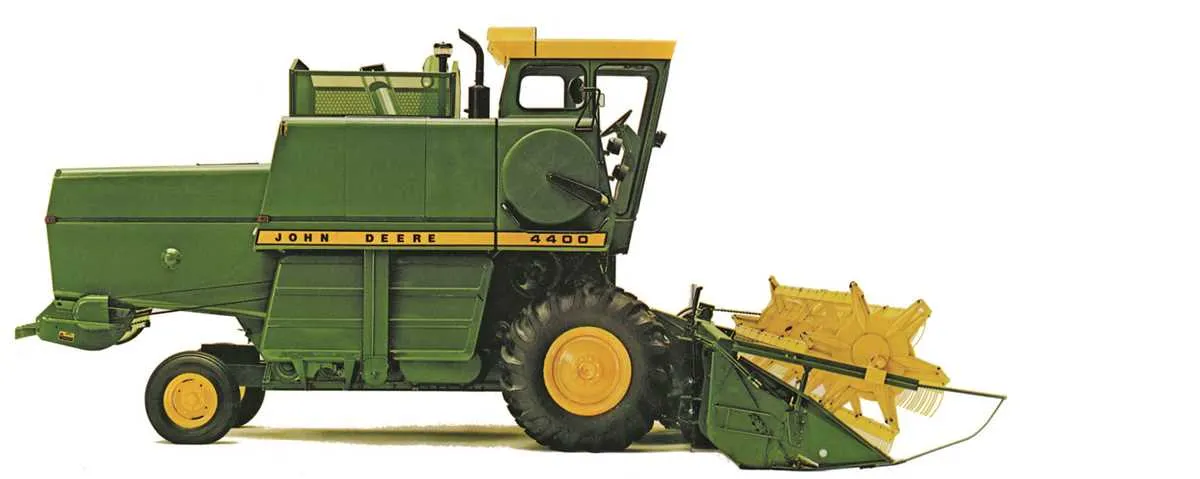
The John Deere 70 Series combines are designed with fuel efficiency in mind, achieving optimal performance with minimal consumption. The engine’s power output and fuel management systems work together to reduce operational costs without sacrificing harvesting speed. Models like the S780 and S790 offer impressive fuel consumption rates, averaging between 3.5 to 4.0 gallons per hour, depending on the load and field conditions.
For better fuel efficiency, it’s important to adjust the combine’s settings according to the type of crop and terrain. The John Deere 70 Series comes equipped with advanced fuel-saving technologies, including the Active Power Management system. This feature adjusts engine power to match load conditions, ensuring fuel is used only when necessary, without compromising on performance.
Another factor contributing to fuel efficiency is the machine’s ability to maintain a steady speed during operation. Keeping the combine’s speed constant reduces unnecessary fuel use, especially during long harvesting periods. Additionally, routine maintenance such as keeping air filters clean and checking tire pressures can prevent excessive fuel consumption.
In terms of overall performance, the John Deere 70 Series combines can cover large areas while maintaining a high level of fuel efficiency. For example, operators report up to 10-15% reduction in fuel consumption when compared to older models. This makes the 70 Series a solid choice for farmers looking to minimize costs and maximize productivity.
In summary, careful calibration, efficient use of power settings, and regular maintenance are key to getting the most out of the John Deere 70 Series combines’ fuel efficiency. By following these recommendations, operators can expect reliable performance with lower operational costs.
Maintenance and Service Requirements for John Deere 70 Series Combines
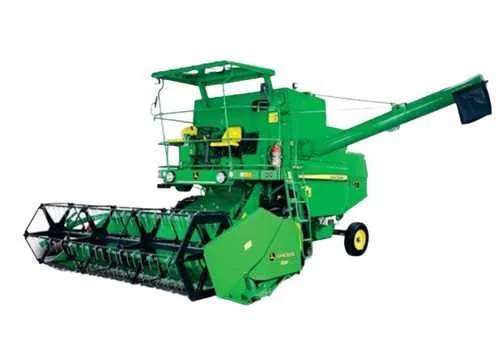
To ensure optimal performance, regular maintenance of the John Deere 70 Series combines is a must. Follow these guidelines to keep the equipment running smoothly:
- Engine Oil and Filters: Change the engine oil every 250 hours of operation. Use high-quality oil recommended by John Deere for the 70 Series. Replace oil filters at the same time to maintain engine longevity.
- Air Filter: Inspect the air filter at least once every 100 hours of use. Replace it if it is clogged or damaged to avoid engine stress.
- Fuel System: Replace fuel filters every 500 hours to prevent clogging and fuel system damage. Check the fuel lines and connections for leaks regularly.
- Hydraulic System: Clean hydraulic filters every 500 hours and replace them as needed. Monitor fluid levels and replace hydraulic oil every 1,000 hours of operation.
- Cooling System: Flush the cooling system every 1,000 hours. Check coolant levels regularly and inspect hoses for wear or leaks.
- Greasing: Lubricate all pivot points, bearings, and chains every 50 hours. Follow the recommended lubrication schedule in the operator’s manual for proper greasing intervals.
- Belts and Pulleys: Check all belts and pulleys for wear, cracks, or misalignment. Replace any damaged components to prevent further issues.
- Drive Components: Inspect the drive chains, sprockets, and couplings every 100 hours of operation. Adjust or replace them if necessary to ensure smooth operation.
- Threshing Mechanism: Examine the concaves and cylinder bars every 200 hours. Replace any worn parts to avoid poor harvesting performance.
- Electrical System: Test the battery and electrical connections regularly. Clean terminals and ensure there is no corrosion buildup to prevent electrical failures.
Additionally, monitor all systems for unusual sounds or performance drops, as these are often early signs of potential issues. Regular inspections and prompt repairs will prolong the life of your combine and ensure efficient operation.