John Deere 329D Track Loader Specifications and Features
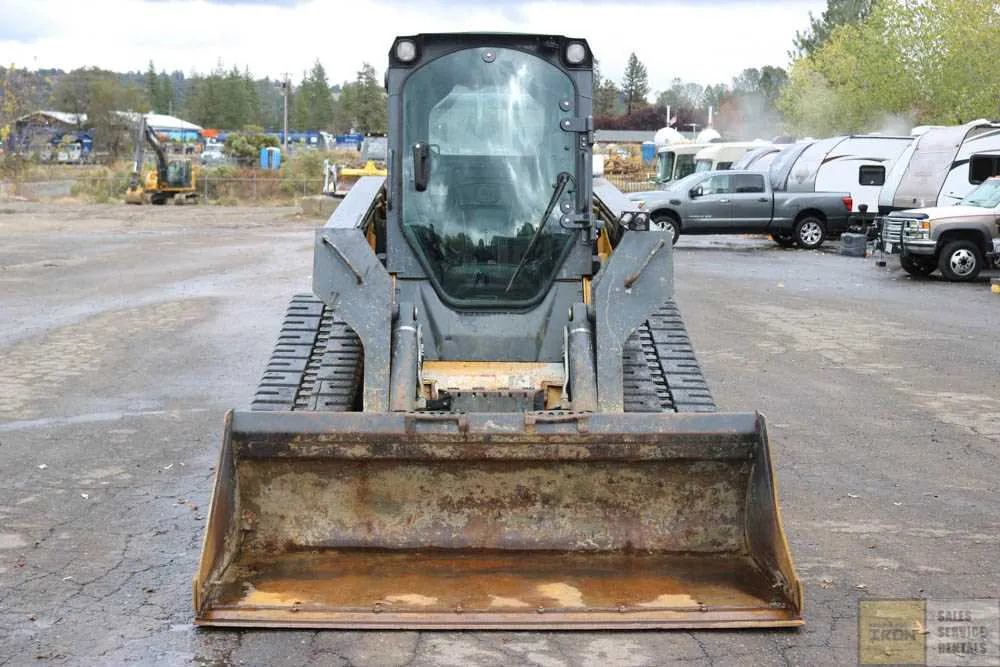
The John Deere 329D track loader offers remarkable power and versatility, making it an excellent choice for tough construction tasks. With a 90 horsepower engine, it can easily handle demanding jobs, whether you’re lifting, pushing, or digging. The track loader’s operating weight of 10,900 pounds ensures stability while navigating uneven terrain.
Its hydraulic system delivers strong performance with a lift capacity of up to 3,300 pounds. This allows you to lift heavy loads with ease, whether you’re handling materials or attachments. The loader’s bucket capacity ranges from 0.8 to 1.2 cubic yards, making it adaptable for various tasks on-site.
Equipped with a powerful drivetrain, the John Deere 329D is highly maneuverable in tight spaces. The tracks provide excellent traction, and the compact design makes it an ideal machine for operations where space is limited. Whether you’re working in construction, landscaping, or forestry, this track loader offers the performance you need for efficient work.
John Deere 329D Track Loader Specifications
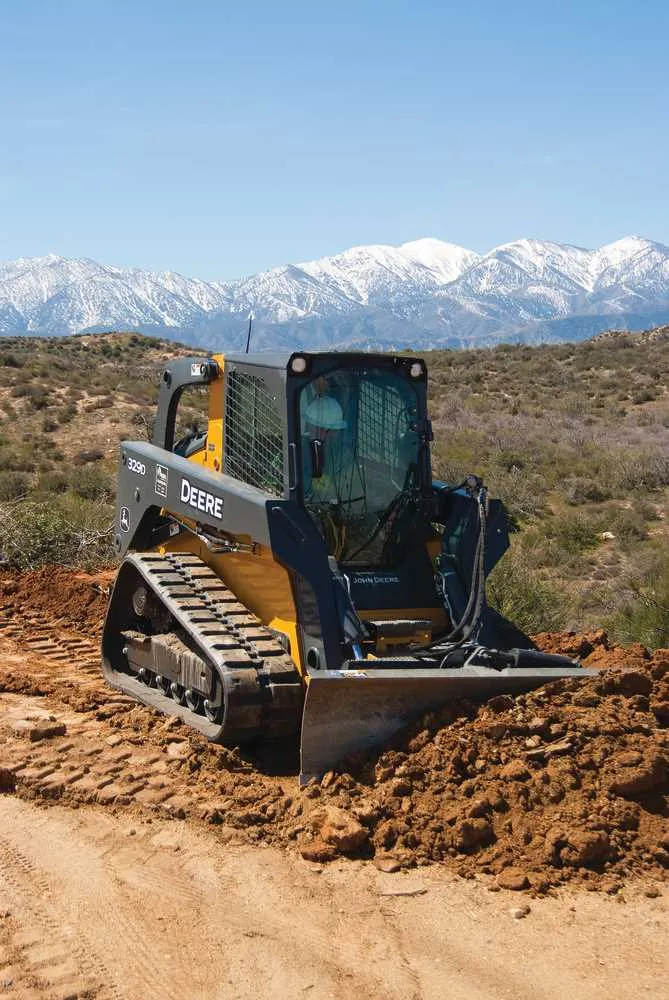
The John Deere 329D Track Loader offers a powerful solution for various construction tasks, with a reliable engine and impressive lifting capacity. It is equipped with a 3.3L turbocharged diesel engine that produces 90 horsepower, providing optimal power for tough environments.
With a maximum operating weight of 10,725 lbs (4,870 kg), this machine can carry substantial loads. The lift height reaches 10 feet (3.05 meters), which is suitable for stacking and handling materials at greater heights. It features a 9.5-foot (2.9 meters) reach, making it highly versatile in both tight and open spaces.
The 329D offers a tipping load of 6,725 lbs (3,050 kg) and a breakout force of 8,175 lbs (3,710 kg), ensuring strong performance for lifting and moving heavy objects. The hydraulic system supports a flow rate of 26.4 gallons per minute (100 liters per minute), optimizing the loader’s speed and operational efficiency.
For maneuverability, the John Deere 329D tracks provide excellent traction, even on uneven surfaces. The machine features a hydraulic drive system with the option of either rubber or steel tracks, offering flexibility depending on the ground conditions.
This model also includes a user-friendly control system, ensuring ease of use while maintaining precision during operation. The spacious cab is designed for operator comfort, featuring easy-to-reach controls and clear visibility of the work area.
Engine and Power Output of the John Deere 329D
The John Deere 329D is powered by a 4.5L, 4-cylinder turbocharged diesel engine that provides impressive performance for various applications. With a rated horsepower of 90 hp (67 kW), the engine delivers consistent power, allowing the machine to handle demanding tasks like digging, lifting, and transporting heavy loads.
Its powertrain is designed to maximize efficiency and minimize fuel consumption, ensuring long working hours without frequent refueling. The engine is coupled with a hydrostatic transmission, providing smooth and responsive control of movement and speed. Whether navigating tight spaces or operating in rough terrain, the engine and transmission combination ensures reliable performance.
The engine’s power output is also paired with advanced cooling and filtration systems that help maintain optimal engine temperature and protect the machine from dust and debris, ensuring longevity and reliable performance over time. This setup is ideal for contractors and operators who rely on consistent output throughout the workday.
Hydraulic System and Lifting Capacity of the John Deere 329D
The John Deere 329D track loader is equipped with a powerful hydraulic system that provides exceptional lifting capabilities. The system operates at a maximum pressure of 3,500 psi, ensuring reliable performance in demanding conditions. The hydraulic pump delivers 23.5 gpm (gallons per minute) of flow, providing quick cycle times and smooth operation during lifting tasks.
With a lift capacity of 3,100 lbs at 50% of tipping load, the 329D can easily handle a variety of materials, making it suitable for construction, landscaping, and other heavy-duty tasks. The machine’s lift arm design ensures stability and maximizes lifting height, reaching up to 128 inches at full extension.
For added versatility, the hydraulic system supports attachments like buckets, grapples, and forks, allowing the operator to tackle a wide range of tasks efficiently. The powerful lift and breakout force make the 329D a strong contender for handling demanding lifting and digging applications.
Key specifications of the hydraulic system and lifting capacity include:
- Hydraulic pressure: 3,500 psi
- Hydraulic flow: 23.5 gpm
- Lift capacity (50% tipping load): 3,100 lbs
- Lifting height: 128 inches
Overall, the John Deere 329D’s hydraulic system is designed for durability and optimal performance, ensuring that operators can complete tasks with confidence and precision.
Maintenance and Service Requirements for the John Deere 329D
For optimal performance and long service life, the John Deere 329D requires regular maintenance. The engine oil should be changed every 250 hours or as specified in the operator’s manual. Check and replace the fuel filter every 500 hours or when performance issues arise. The hydraulic fluid and filter must be checked and changed every 1,000 hours to prevent contamination and ensure proper operation.
The air filter should be inspected at least once a week in dusty environments, or every 100 hours of operation. Clean or replace it as needed. Inspect the radiator, cooling system, and hoses regularly, especially before and after heavy use, to avoid overheating. Always check the tire pressure and inspect the tracks for wear or damage to ensure safe operation.
The undercarriage needs cleaning regularly to prevent dirt buildup, which can lead to excessive wear on components. Inspect the track tension every 250 hours, adjusting it as necessary to prevent slippage or damage. Ensure that all greasing points are lubricated at the recommended intervals to minimize friction and extend the life of moving parts.
Finally, check the battery condition regularly, ensuring that the terminals are clean and connections are secure. For detailed procedures, always refer to the service manual for specific intervals and procedures based on operational conditions.