John Deere Power Beyond Hydraulics Specifications and Features
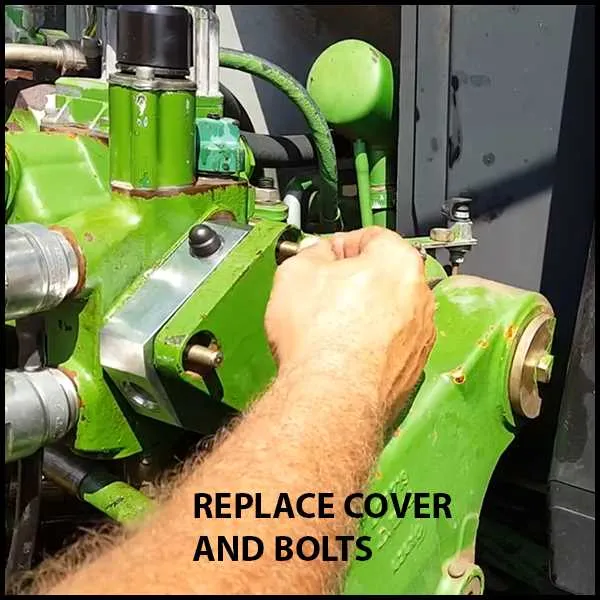
The Power Beyond hydraulics system on John Deere tractors is designed to provide hydraulic flow for external attachments, enabling better performance and operational flexibility. It operates through a separate valve that allows the operator to connect external equipment without compromising the internal hydraulic system’s function.
For optimal performance, ensure that the flow rate of the hydraulic system matches the needs of your attachment. The typical flow rate for John Deere’s Power Beyond systems ranges from 20 to 30 gallons per minute (GPM), depending on the model and year. Always check the manufacturer’s specifications for the exact flow rate required for your equipment.
Ensure that the hydraulic pressure does not exceed 3000 PSI, as this can lead to system failure. Pressure relief valves are crucial in preventing over-pressurization and protecting the entire hydraulic setup. Regular maintenance checks and fluid replacements will help maintain performance and extend the life of both the tractor and connected equipment.
When installing or troubleshooting the Power Beyond system, verify all connections, hoses, and fittings for leaks. Proper assembly and routine inspections of the system ensure that it operates smoothly without interruptions during tasks. Additionally, using high-quality hydraulic fluids suitable for the local climate conditions will improve the system’s efficiency and prevent premature wear.
John Deere Power Beyond Hydraulics Specifications
The John Deere Power Beyond hydraulic system offers precise and reliable performance, designed to enhance tractor functionality when additional hydraulic capabilities are required. It allows you to power external implements without affecting the tractor’s primary hydraulic system.
These systems are typically compatible with a variety of John Deere tractors, featuring both open-center and closed-center configurations depending on the model. The hydraulic flow rate typically ranges between 20-30 gallons per minute (GPM), with a maximum pressure rating of 2,500-3,000 PSI, making it suitable for most industrial and agricultural applications.
The Power Beyond setup includes a dedicated supply and return line to ensure seamless integration with auxiliary equipment. The system ensures that the tractor’s internal hydraulics remain unaffected, allowing both the main and auxiliary systems to operate in parallel. For tractors equipped with the Power Beyond kit, the additional hydraulic circuits are often governed by a remote valve, allowing for easy control of external attachments.
Make sure that the hydraulic oil and filters are regularly maintained to ensure the optimal performance of the Power Beyond system. Proper oil type, such as ISO VG 46, is essential for achieving the best results in varying environmental conditions.
When selecting the appropriate Power Beyond configuration, consider the implement’s hydraulic requirements. Oversized or undersized systems can lead to inefficiencies or damage, so matching specifications to the application is key to reliable operation.
Key Features of John Deere Power Beyond Hydraulics System
The John Deere Power Beyond hydraulics system is designed to enhance tractor versatility by providing a consistent hydraulic power source for additional implements. One key feature is the independent operation of the tractor’s hydraulic system and the auxiliary hydraulics, which ensures that tractor performance is not affected by the use of external attachments.
Another important feature is the system’s ability to supply constant flow and pressure to the auxiliary equipment. This allows for smooth operation of heavy-duty implements without compromising the tractor’s primary hydraulic functions. Additionally, the Power Beyond system is engineered to handle high-flow demands, making it suitable for a range of implements that require significant hydraulic capacity.
The Power Beyond setup includes an easy-to-install, durable connection that simplifies hydraulic hookup, saving time during attachment changes. It features advanced filtration and pressure regulation to ensure the system remains clean and operates efficiently, preventing premature wear on components.
Additionally, the system’s compatibility with various John Deere tractor models ensures seamless integration, enhancing overall operational flexibility. The system is designed to withstand tough working conditions, ensuring reliable performance even in demanding environments.
Installation Guidelines for Power Beyond Hydraulics on John Deere Tractors
Ensure that the tractor is turned off and the engine is cool before starting the installation. Disconnect the battery to avoid accidental electrical discharge.
Begin by locating the Power Beyond port on the tractor. On most John Deere models, it is typically found on the rear hydraulic valve. Familiarize yourself with the hydraulic lines and the existing connections before proceeding.
Install the hydraulic coupling fittings. The Power Beyond kit usually comes with pre-installed hoses and connectors, but ensure that the connections are compatible with your tractor model. Tighten all fittings securely to prevent leaks.
Route the hydraulic lines carefully to avoid kinks or abrasions that could compromise their integrity over time. Ensure that the lines are properly supported and avoid any sharp bends.
Next, connect the hydraulic lines to the implement or additional attachments. Double-check that each connection is tight and secure, particularly the fittings between the tractor and the external hydraulic equipment.
Before starting the system, verify that all connections are sealed and free of leaks. It is important to check the hydraulic fluid levels after installation to ensure proper operation.
Once the system is set up, test the hydraulic function. Engage the tractor’s hydraulics and observe the system in operation. Ensure the flow and pressure meet the expected specifications outlined in the manual.
If any issues arise during testing, troubleshoot the connections for potential leaks or improper installation. Make any necessary adjustments to improve the system’s efficiency.
Finally, complete a full check after the installation, including inspecting hydraulic lines for damage and ensuring that all components are securely fastened.
Common Troubleshooting for Power Beyond Hydraulics in John Deere Models
One of the most common issues with Power Beyond hydraulics in John Deere tractors is insufficient hydraulic flow. Check the hydraulic fluid level and ensure it’s within the recommended range. Low fluid levels can result in poor system performance and overheating.
Another frequent problem is a blocked return line. Inspect the return line for any visible kinks or obstructions. A restricted line can cause pressure buildup, leading to erratic hydraulic behavior. Ensure that the line is free from debris and properly connected to the hydraulic tank.
If the system is experiencing pressure fluctuations, the pressure relief valve may be malfunctioning. This can be caused by wear or debris inside the valve. Check the valve for proper function and clean or replace it if necessary.
Leaking hoses or fittings are also common culprits. Look for any signs of fluid leakage around hose connections and replace damaged components immediately to avoid system failures.
Improperly set or faulty couplers can lead to poor connections and loss of hydraulic pressure. Make sure all couplers are properly tightened and free from wear. If necessary, replace the couplers with new ones to ensure a secure fit.
Finally, check for issues with the hydraulic pump. A failing pump may result in inadequate flow and reduced system performance. Inspect the pump for any signs of wear or damage and replace it if necessary.