John Deere 450B Fluid Specifications and Maintenance Guidelines
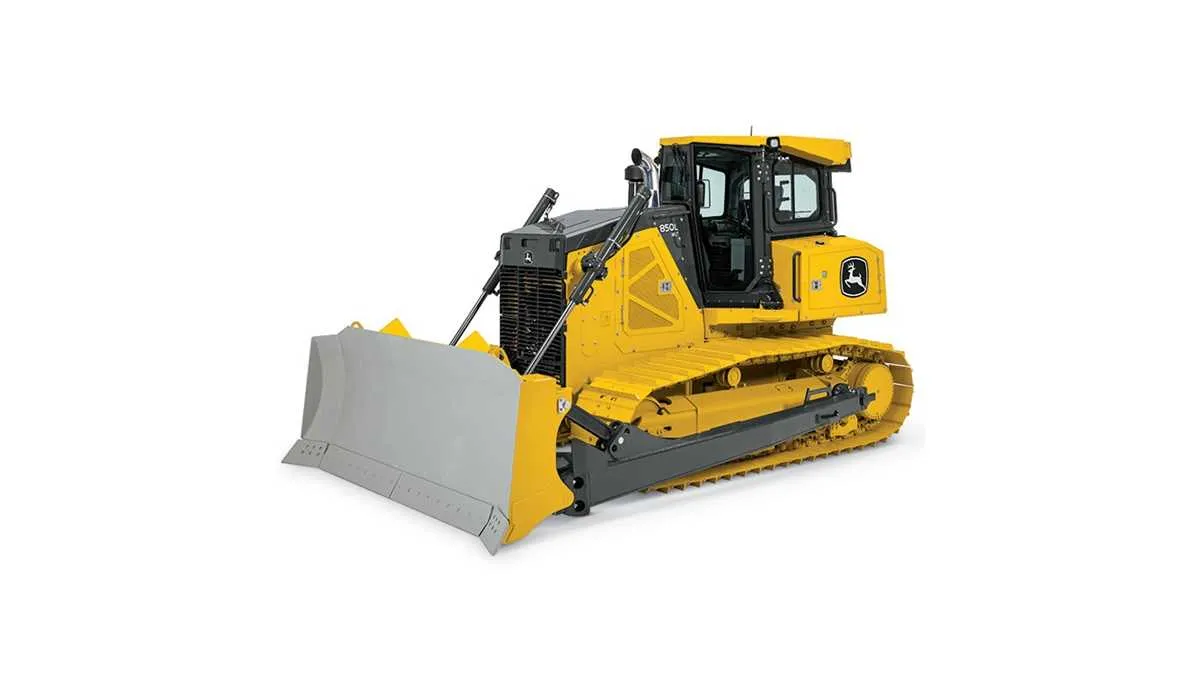
The John Deere 450B requires specific fluid types and quantities to ensure proper function and longevity. When working with the 450B, always use the recommended fluids as outlined in the operator’s manual. Using incorrect fluids can lead to operational inefficiencies and damage to the machine’s components.
For the engine oil, it is crucial to use a high-quality, multi-viscosity oil that meets or exceeds API service classification CD, CF-4, or higher. The recommended oil capacity is 12.5 quarts (11.8 liters) with a filter change. This ensures that the engine is lubricated efficiently, maintaining smooth operation even under heavy workloads.
The transmission fluid is another key component. Use John Deere Hy-Gard or equivalent transmission oil. The transmission system on the 450B has a capacity of 24.5 quarts (23.2 liters). Always check the fluid level regularly to avoid damage from low fluid levels, which can result in overheating and transmission failure.
Hydraulic fluid is vital for proper functioning of the machine’s hydraulic systems. The recommended hydraulic fluid is again John Deere Hy-Gard, with a capacity of 21.5 gallons (81.4 liters). Regularly check the fluid level, especially during intensive operation, to ensure the hydraulic components are functioning correctly.
Ensure that all fluid changes are carried out at the recommended intervals for the best performance and longevity of the John Deere 450B. Regular maintenance and proper fluid management will help avoid unexpected downtime and costly repairs.
John Deere 450B Fluid Specifications
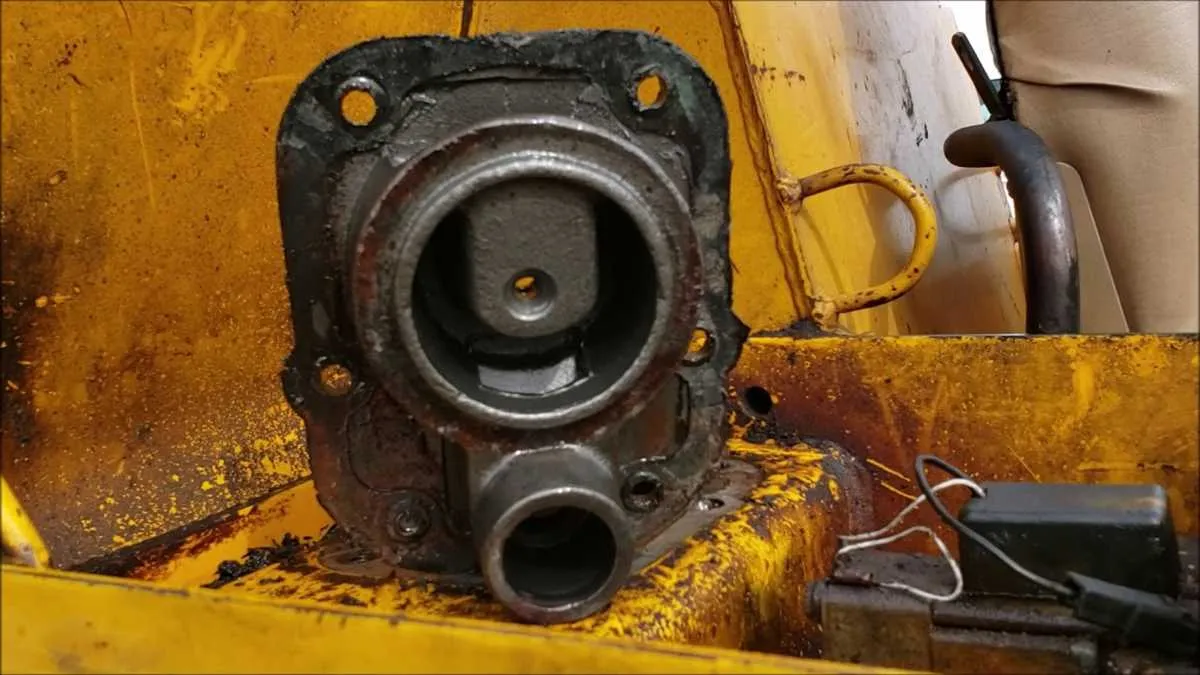
The John Deere 450B requires specific fluid types to maintain optimal performance. Always use high-quality, compatible fluids to ensure smooth operation and protect engine components.
For the engine oil, use 15W-40 oil that meets API service classification SG or higher. Make sure to check the oil level regularly and change it at the recommended intervals to avoid damage to the engine.
The hydraulic system requires Hy-Gard oil, which is specifically formulated for John Deere equipment. Ensure that the oil is filled to the appropriate level, as low fluid can cause poor hydraulic performance and potential damage to the system.
The transmission uses JDM J20C or J20D fluid, which is designed for optimal operation in John Deere machinery. Keep the transmission fluid clean and check levels frequently to avoid overheating or malfunction.
For the cooling system, use a mixture of 50% water and 50% John Deere-approved antifreeze/coolant. This ensures proper heat dissipation and prevents freezing in cold conditions. Regularly inspect the coolant level to prevent engine overheating.
Maintaining the proper fluid levels in these systems will help maximize the lifespan and efficiency of the John Deere 450B, reducing the need for costly repairs.
Recommended Hydraulic Fluid for John Deere 450B
For the John Deere 450B, use JDM J20C or equivalent hydraulic fluid for optimal performance. This fluid is specifically designed to meet the requirements of the hydraulic system, ensuring smooth operation and longevity of components.
Follow these fluid specifications to maintain efficiency:
- Viscosity: SAE 10W-30 or 10W-40, depending on the operating temperature.
- Grade: Ensure that the fluid meets the J20C specifications to ensure compatibility with the hydraulic system.
- Filter: Replace filters regularly to avoid clogging, which can reduce system performance and cause premature wear.
- Fluid level: Always maintain the fluid at the recommended level to prevent overheating and damage to the pump and valves.
Check fluid condition frequently for contaminants or signs of deterioration. Replace the fluid at the intervals recommended by the manufacturer to ensure reliable and safe operation.
Transmission Fluid Requirements for John Deere 450B
For the John Deere 450B, use high-quality transmission fluid designed for heavy-duty equipment. The recommended fluid is John Deere’s J20C or equivalent transmission fluid, ensuring optimal performance and longevity of the transmission system.
The fluid should meet the specifications for viscosity and heat tolerance to ensure smooth operation under varying load conditions. Typically, a multi-viscosity fluid, such as SAE 10W-30, works best for a wide range of temperatures. Always check the fluid level regularly to maintain proper performance.
When replacing the transmission fluid, ensure that the system is properly flushed to remove any contaminants or old fluid. Refill with the correct amount of fluid to prevent underfilling or overfilling, both of which can lead to operational issues.
For cold weather operation, a synthetic transmission fluid may offer better protection against thickening, improving cold-start performance. Consult the owner’s manual for precise fluid quantities and replacement intervals to maintain peak transmission efficiency.
Maintenance Tips for Fluid Systems on John Deere 450B
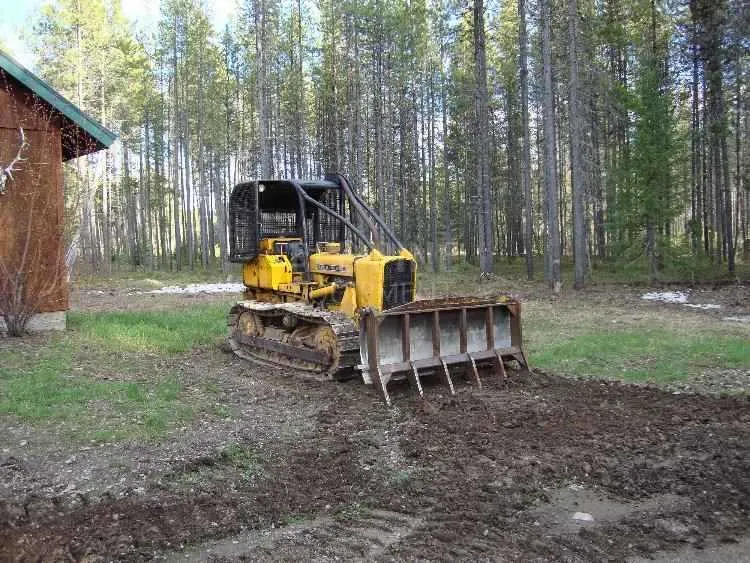
Regularly check fluid levels to prevent system failure. Always ensure that the transmission, hydraulic, and engine fluids are within recommended ranges. Low fluid levels can lead to overheating and damage.
Inspect fluid filters every 100 hours of operation or as specified in the owner’s manual. Clean or replace filters to maintain optimal fluid circulation and avoid clogging, which can cause inefficient performance.
Use only the manufacturer-recommended fluid types. Different fluid formulations can affect the performance and longevity of your John Deere 450B. Refer to the owner’s manual for the correct fluid specifications.
Check for leaks around fluid lines and connectors. Any visible signs of leakage should be addressed immediately to avoid fluid loss, contamination, and potential damage to the hydraulic or transmission systems.
Flush the fluid system periodically. Over time, fluid can accumulate contaminants and lose its effectiveness. Flushing the system ensures the removal of debris and preserves fluid quality.
Change the fluid at intervals specified in the maintenance schedule. Old fluid may lose its lubricating properties, causing wear on components. Replace it with fresh fluid to maintain system efficiency and extend the life of the machinery.
Monitor fluid color and consistency regularly. If the fluid appears discolored or has a burnt smell, it may indicate overheating or contamination. In such cases, replace the fluid immediately and investigate the cause.
After any fluid replacement, run the machine for a short period and recheck fluid levels. Fluid settles after use, and topping it off ensures accurate readings for future checks.
Always dispose of used fluids responsibly. Used fluids can be harmful to the environment, so ensure that they are taken to an appropriate recycling facility.