John Deere 556 Round Baler Specifications and Features
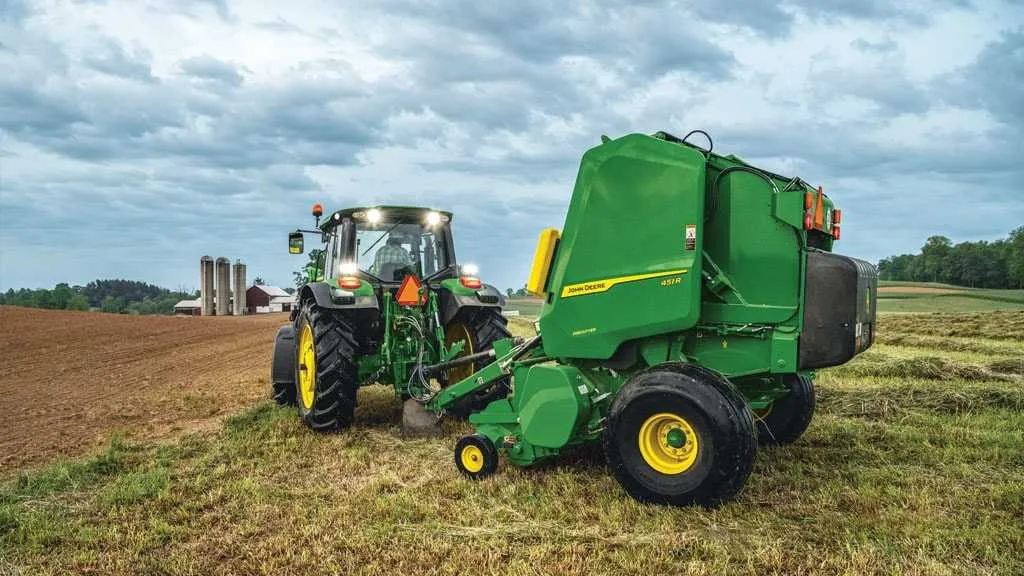
The John Deere 556 round baler offers advanced features designed to enhance your baling operations. With its large 5′ x 6′ bale capacity, it optimizes both productivity and ease of handling. The baler’s durable design ensures a long lifespan, even under heavy use in demanding conditions.
The machine’s NetWrap system provides consistent and secure wrapping, minimizing material waste and improving bale integrity. It also features the patented EasyLink system, which streamlines setup and ensures smooth operation during baling. The 556 is compatible with various tractors, delivering reliable performance on various terrains.
When considering maintenance, the John Deere 556 is designed for quick access to key components. Regular maintenance procedures can be carried out easily, ensuring minimal downtime. Additionally, its high-tensile steel frame resists wear and tear, which is vital for long-term reliability.
John Deere 556 Round Baler Specifications
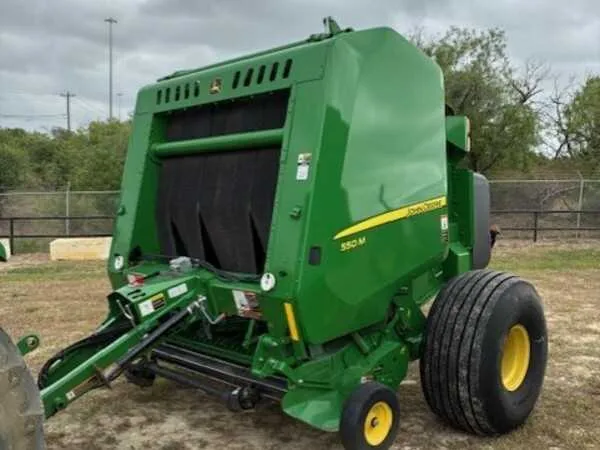
The John Deere 556 round baler features a durable design and high productivity. It operates with a 5′ x 6′ bale size, providing an optimal balance between handling capacity and bale quality. The baler’s smooth roller system ensures consistent bale formation, reducing material waste and improving efficiency.
With a 540 RPM PTO speed, the John Deere 556 delivers a reliable performance, requiring a minimum of 60 horsepower for operation. Its robust frame is built to withstand tough field conditions while offering minimal maintenance needs, thanks to the heavy-duty components used throughout the machine.
The baler comes equipped with an advanced hydraulic system, allowing for smooth operation and ease of bale ejection. The variable bale density settings allow operators to customize the compression of each bale, ensuring versatility for different materials. The net wrap system ensures secure wrapping, reducing the risk of product loss during transport.
For convenience, the John Deere 556 includes an easy-to-use control system. Its simple interface enables operators to monitor bale count, wrap quality, and other crucial metrics, enhancing operational efficiency. The addition of LED lighting and a protective cover over key components provides added reliability in varying environmental conditions.
Overall, the John Deere 556 round baler is designed for high productivity, reliability, and ease of use, making it an excellent choice for demanding farming operations.
Key Performance Features of the John Deere 556 Round Baler
The John Deere 556 Round Baler is designed for consistent, high-quality bales. It features a durable, efficient system that operates smoothly under various field conditions. The baler’s hydraulic system ensures optimal control of tension and pressure, enabling precise bale formation even with challenging crops.
The variable core baling technology in the John Deere 556 provides better material compression, allowing for more compact and uniform bales. This increases the storage efficiency and handling ease, saving time and resources during transportation and storage.
The machine’s high-capacity pick-up system ensures faster crop collection, reducing downtime and enhancing field productivity. The durable, steel-tine design is built for long-lasting performance in tough field conditions.
For improved versatility, the John Deere 556 offers adjustable bale sizes, from 1.2 to 1.5 meters in diameter. This allows the user to tailor the machine’s output based on specific crop types and storage requirements.
Lastly, the operator-friendly control system simplifies adjustments and monitoring, improving ease of use and reducing fatigue during long working hours. The system’s intuitive interface ensures quick and accurate setup, maximizing the overall performance of the baler.
Dimensions and Weight Specifications for the John Deere 556 Round Baler
The John Deere 556 round baler has a width of 2.47 meters (97 inches), making it suitable for a range of tasks, from hay production to silage. This width provides the balance needed for efficient operation without compromising maneuverability in tight spaces.
In terms of height, the baler stands at 2.23 meters (87.5 inches) when the tailgate is closed, offering good clearance for transport and storage. The overall height can vary slightly based on bale size and configuration adjustments.
The baler weighs 2,700 kilograms (5,950 pounds), which ensures stability during operation. The weight is ideal for handling heavy-duty tasks while maintaining control and consistency in baling operations. This weight allows the machine to effectively compact material into uniform bales without excessive wear on the tractor or baler components.
Maintenance and Operational Guidelines for the John Deere 556 Round Baler
Regularly inspect the John Deere 556 round baler to ensure optimal performance. Focus on key components such as the belts, rollers, and the knotter system. Any sign of wear or damage should be addressed immediately to prevent downtime during operation.
Keep the baler clean and free from debris after each use. This reduces the risk of component failure and ensures smooth operation. Check the hydraulic system regularly for leaks, and make sure the oil levels are adequate. Clean the air filters to prevent clogging and ensure efficient airflow.
Before operating the baler, verify that the tires are inflated to the correct pressure. Under or over-inflated tires can lead to uneven baling and potential tire damage. Also, check the bearings and chains to make sure they are properly lubricated. Proper lubrication helps reduce friction and extends the lifespan of moving parts.
- Inspect the pickup unit for any damage or misalignment that may affect the quality of the bales.
- Check the bale chamber regularly for any buildup of material that could obstruct the baling process.
- Adjust the tension on the belts to prevent them from slipping or over-tightening, which can cause premature wear.
- Ensure the knotters are functioning correctly to avoid issues with bale formation.
Periodically, perform a full inspection of the baler after a set number of operating hours. This helps catch potential issues before they become serious problems. Always refer to the operator’s manual for specific maintenance intervals and recommended procedures for each component.
In colder weather, allow the machine to warm up for a few minutes before use. This helps to prevent strain on the engine and hydraulics. If storing the baler for extended periods, ensure it is properly covered and stored in a dry, protected area to prevent rust and damage from the elements.