John Deere 4300 Engine Specifications and Performance Details
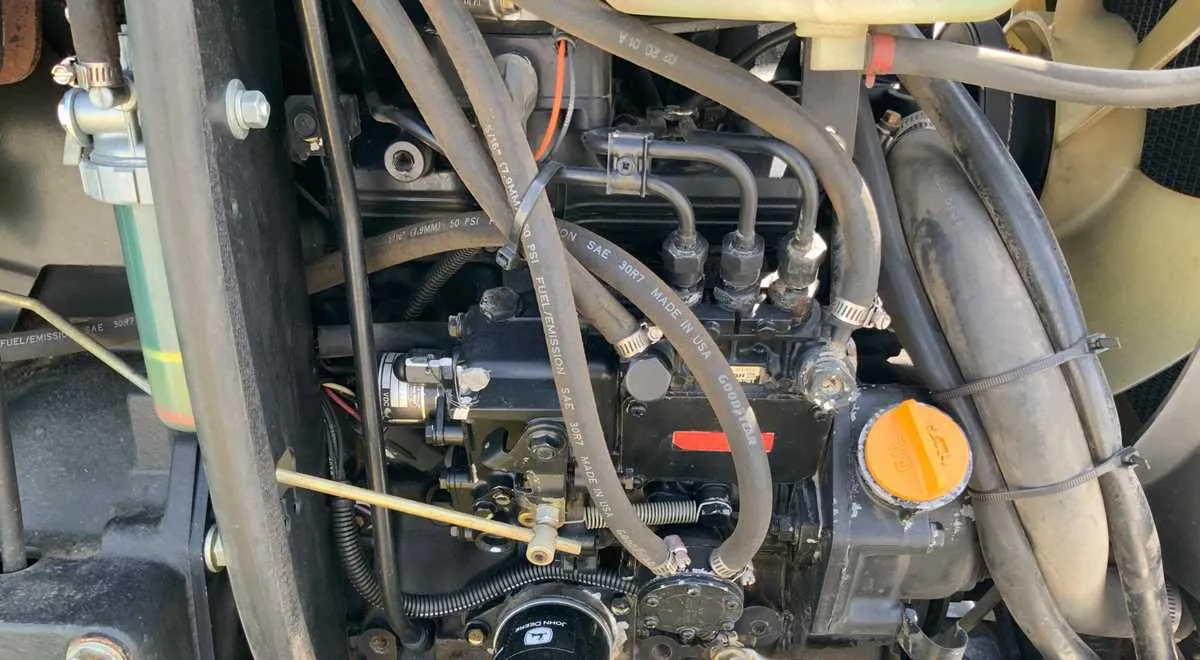
The John Deere 4300 engine offers a reliable solution for compact tractor needs, delivering consistent power for various tasks. With a 3-cylinder diesel engine, it ensures efficient fuel consumption and exceptional torque, making it ideal for both light and heavy-duty operations.
With a displacement of 1.6 liters, the engine generates a maximum output of 30 horsepower. This power allows the John Deere 4300 to perform a variety of tasks, from lawn maintenance to more demanding agricultural work. The engine’s design focuses on durability, ensuring long-term performance under tough conditions.
Equipped with a 4-cycle, water-cooled engine, it maintains optimal operating temperatures even in harsh environments. The John Deere 4300 also benefits from a direct fuel injection system, ensuring smooth and efficient fuel delivery for reliable startup and operation throughout its lifespan.
For those requiring efficient engine maintenance, the John Deere 4300 is designed for easy access to key components. Regular servicing, such as oil changes and filter replacements, can be completed quickly, keeping downtime to a minimum. This practical engine design enhances the machine’s overall functionality and dependability.
John Deere 4300 Engine Specifications
The John Deere 4300 is equipped with a powerful 3-cylinder, 1.6L diesel engine. This engine delivers consistent performance, making it suitable for various agricultural and industrial tasks.
Key engine specifications include:
- Engine Type: 3-cylinder, liquid-cooled, diesel engine
- Displacement: 1.6 liters (diesel)
- Power Output: 30 horsepower (22.4 kW) at 2,600 RPM
- Torque: 81.6 lb-ft (110.1 Nm) at 1,800 RPM
- Bore x Stroke: 3.3 inches x 4.0 inches (84 mm x 102 mm)
- Compression Ratio: 18.0:1
- Fuel Tank Capacity: 12.0 gallons (45.4 L)
- Air Filter: Dual-element air filter
With a maximum output of 30 HP and a durable build, the engine ensures excellent fuel efficiency and dependable power for heavy-duty tasks. The high torque at lower RPMs enhances the tractor’s ability to handle challenging terrains and heavy loads.
Maintaining the engine involves regular checks on the air filter, coolant levels, and fuel system. Ensure timely oil changes to keep the engine running smoothly and extend its lifespan.
Overall, the John Deere 4300 engine provides a robust, reliable powertrain that performs well across various applications in farming and construction industries.
Engine Capacity and Type of the John Deere 4300
The John Deere 4300 is equipped with a 3-cylinder, liquid-cooled diesel engine. This engine offers a displacement of 1.6 liters (approximately 98.4 cubic inches), providing ample power for various tasks such as tilling, mowing, and hauling. With a rated output of 32 horsepower, the engine delivers reliable performance for heavy-duty work.
Featuring a direct injection system, the engine ensures efficient fuel combustion, resulting in better fuel economy and reduced emissions. The engine’s compact design contributes to the 4300’s overall agility and maneuverability, making it ideal for both residential and light commercial applications.
This engine type also benefits from a low maintenance requirement, with routine checks and timely oil changes being sufficient to maintain its longevity and performance over the years. Whether handling light-duty chores or tackling tougher jobs, the 4300’s engine offers the necessary power and efficiency to get the job done.
Performance Ratings and Power Output of the John Deere 4300 Engine
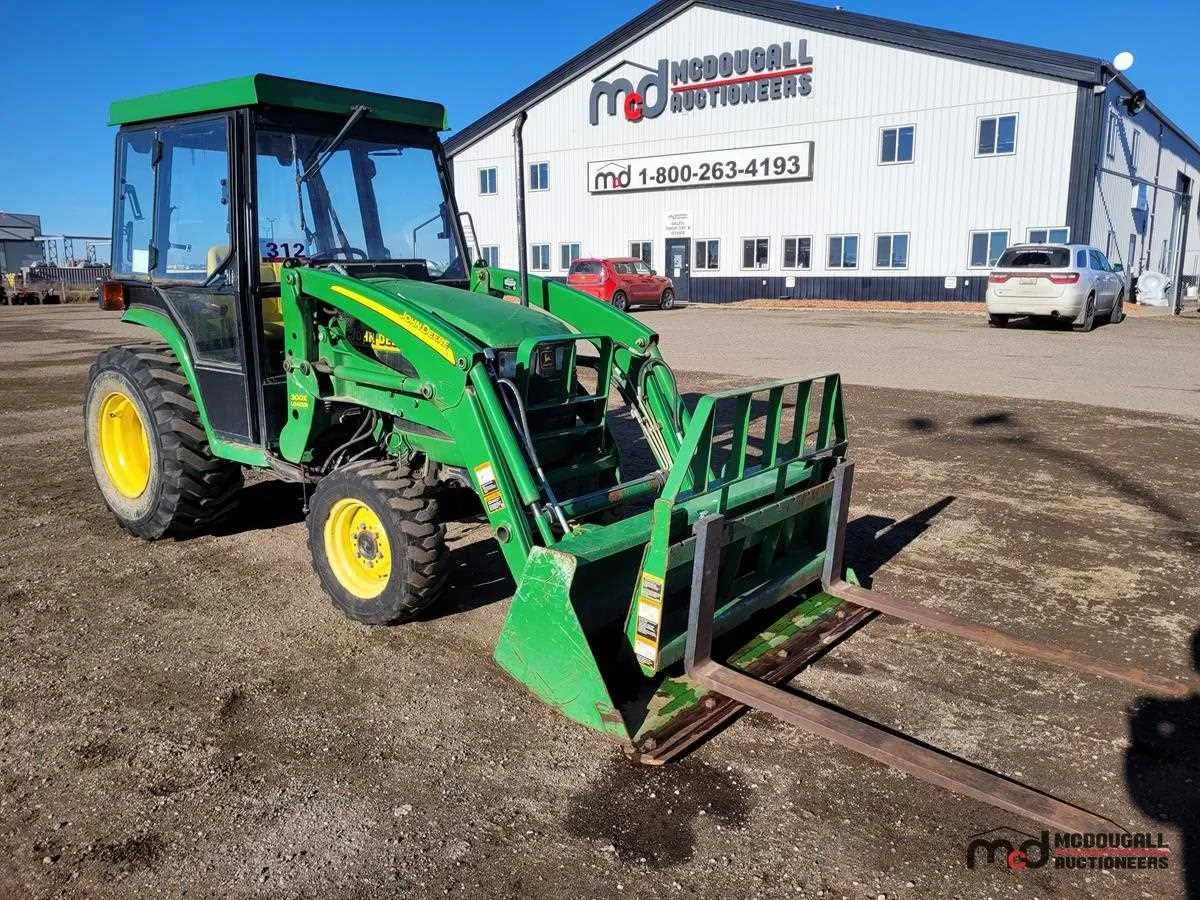
The John Deere 4300 engine delivers a robust performance with a power output of 43 horsepower at 2,600 RPM. This power is produced by a 4-cylinder, liquid-cooled engine, ensuring optimal fuel efficiency and reliable performance in various working conditions. With a displacement of 134.7 cubic inches (2.2 liters), the engine efficiently handles tasks that require consistent power delivery, whether for mowing, hauling, or plowing.
At full load, the engine exhibits high torque output, which contributes to improved pulling capacity and the ability to handle heavy implements without strain. The engine’s torque curve is finely tuned to maintain performance even under varying loads, making it versatile across different applications. For users looking to maximize efficiency, operating the John Deere 4300 at optimal RPMs will allow the engine to perform at its peak power output.
Additional features like the direct fuel injection system enhance fuel combustion, reducing emissions and providing more precise fuel delivery, contributing to the overall power efficiency of the engine. The John Deere 4300 engine is built for durability under demanding workloads, ensuring a long lifespan even with consistent use. Regular maintenance and adhering to manufacturer-recommended service intervals will preserve the engine’s performance and power output for years.
Fuel Efficiency and Maintenance Requirements for the John Deere 4300 Engine
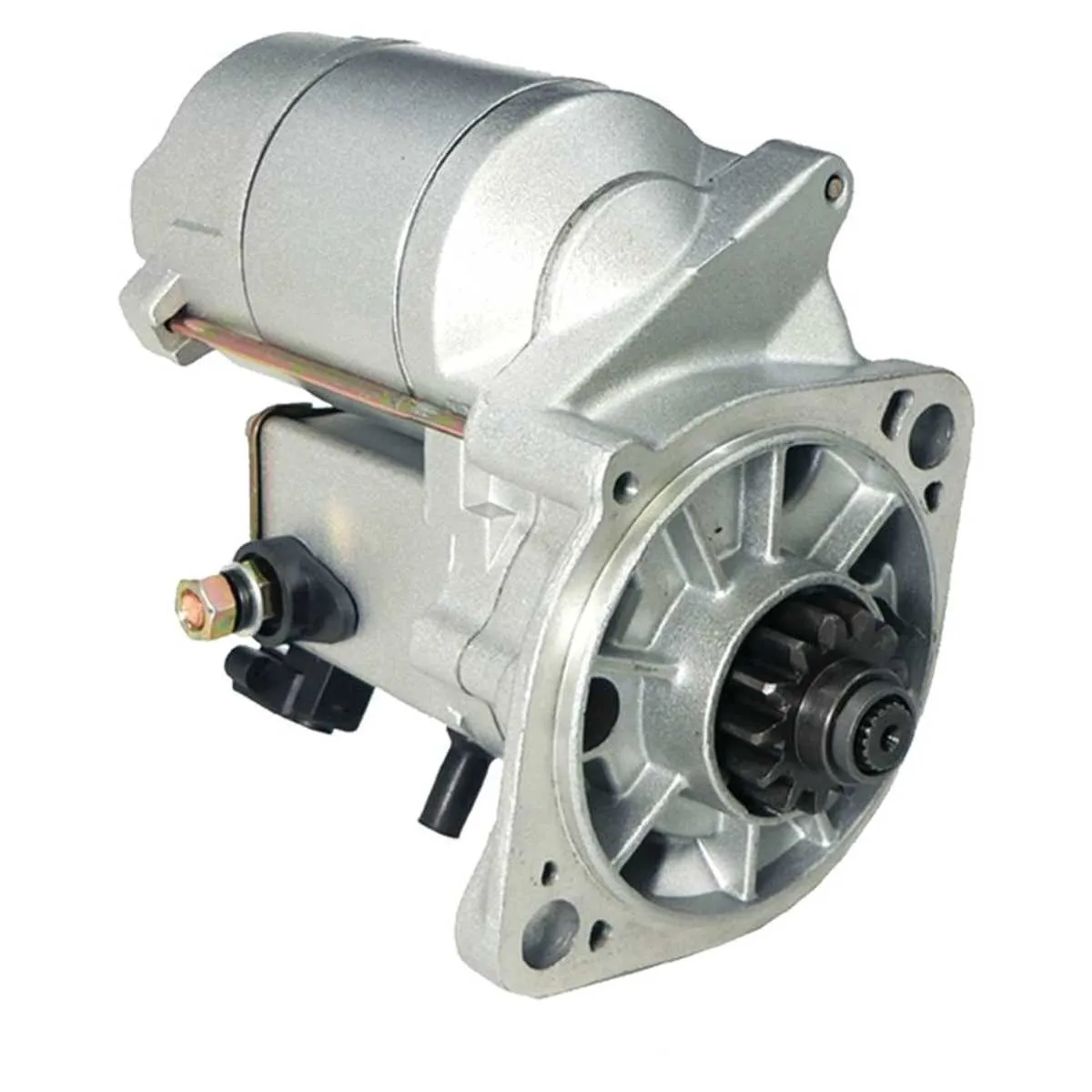
The John Deere 4300 engine is designed to offer a balance between fuel efficiency and maintenance simplicity. The engine runs on diesel and boasts an average fuel consumption rate of around 5.0 to 6.0 liters per hour, depending on load and operating conditions.
For optimal fuel efficiency, it is important to regularly monitor air filters and ensure they are clean. Clogged filters can restrict airflow, causing the engine to work harder and consume more fuel. Replacing the air filter every 250 hours of operation or as needed will prevent excessive fuel use.
Regular oil changes are essential for maintaining the engine’s performance. John Deere recommends changing the engine oil every 100 hours or once per year, whichever comes first. Using the correct oil grade (10W-30 or 15W-40) and ensuring proper oil levels will also improve fuel economy and engine longevity.
The fuel injectors must be cleaned or replaced every 1,500 to 2,000 hours of use to maintain efficient fuel combustion. Inadequate fuel injector performance can lead to poor fuel economy and increased emissions.
Routine maintenance should include inspecting the fuel system for leaks and replacing the fuel filters at recommended intervals (every 500 hours). This keeps the fuel system in top condition, ensuring clean fuel is delivered to the engine and preventing unnecessary fuel waste.
Keep an eye on tire pressure as well; under-inflated tires can increase fuel consumption by adding extra load to the engine. Checking tire pressure regularly can save fuel over time.
Lastly, ensure the radiator is clean and free from obstructions. A blocked radiator can lead to overheating, which stresses the engine and reduces its fuel efficiency. Regularly cleaning the radiator helps the engine operate at the proper temperature, maximizing fuel economy.