John Deere 2255 Tractor Specifications and Features

The John Deere 2255 is a robust and reliable tractor, designed to handle demanding agricultural tasks. With a powerful engine and solid hydraulic system, it ensures optimal performance in various farming operations.
The engine of the John Deere 2255 delivers impressive power, making it suitable for both light and heavy-duty tasks. Its 4-cylinder engine provides 55 horsepower, offering the torque needed for consistent field work.
The hydraulic system is one of the key features of this model, ensuring that attachments are supported and operated effectively. With a hydraulic flow rate of up to 13.7 gpm, it handles even the toughest implements with ease.
The dimensions of the John Deere 2255 make it versatile for tight spaces while still providing excellent stability. The compact size doesn’t compromise its ability to tackle large areas, offering an excellent balance between maneuverability and power.
For users looking for an affordable yet powerful tractor, the John Deere 2255 meets expectations with its combination of durability, ease of use, and high performance.
John Deere 2255 Tractor Specifications
The John Deere 2255 tractor is equipped with a 4-cylinder diesel engine that delivers reliable performance. Its engine is rated at 55 horsepower, making it suitable for a variety of farming and landscaping tasks. The tractor features a 2-wheel drive (2WD) and a 6-speed transmission, which provides smooth shifting and efficient operation in different conditions.
The tractor’s weight is approximately 3,800 lbs (1,700 kg), making it both stable and maneuverable for smaller to medium-sized projects. It has a fuel tank capacity of 20 gallons (75.7 liters), ensuring longer operational periods between refueling. The hydraulic system can handle up to 2,000 psi, which is sufficient for most standard implements used with this model.
The John Deere 2255 is equipped with a rear hitch that supports Category 1 implements, giving it the versatility to work with a variety of attachments, including plows, mowers, and tillers. It also offers a PTO (Power Take-Off) speed of 540 RPM, which is optimal for running many agricultural implements.
The tractor’s turning radius is around 12 feet (3.66 meters), which enhances its maneuverability, especially in tight spaces. Additionally, the 2255 features a comfortable operator platform with simple controls, making it easy to operate during long workdays.
Engine Performance and Power Output of John Deere 2255
The John Deere 2255 is powered by a 4.5L four-cylinder diesel engine, designed to deliver a solid performance in various agricultural and utility tasks. With an output of 55 horsepower at 2,400 RPM, the engine provides the reliability needed for a wide range of field operations.
Its fuel system incorporates a direct injection system, enhancing fuel efficiency and optimizing combustion. The engine’s peak torque reaches 158 Nm at 1,400 RPM, ensuring smooth operation even under heavy load conditions.
For optimal performance, it’s crucial to maintain proper engine speed during fieldwork. Operating at recommended RPMs improves fuel efficiency, reduces engine wear, and maximizes overall productivity. The power take-off (PTO) delivers adequate power for attachments, with a PTO output of 45 horsepower, ideal for implements like mowers, sprayers, and plows.
For best results, it’s advisable to monitor the engine’s oil levels regularly and use the recommended engine oil to prevent unnecessary strain. Proper engine maintenance, including regular servicing of the air filter and fuel system, ensures consistent power delivery and prolongs the tractor’s lifespan.
Dimensions and Weight of John Deere 2255 for Transport and Handling
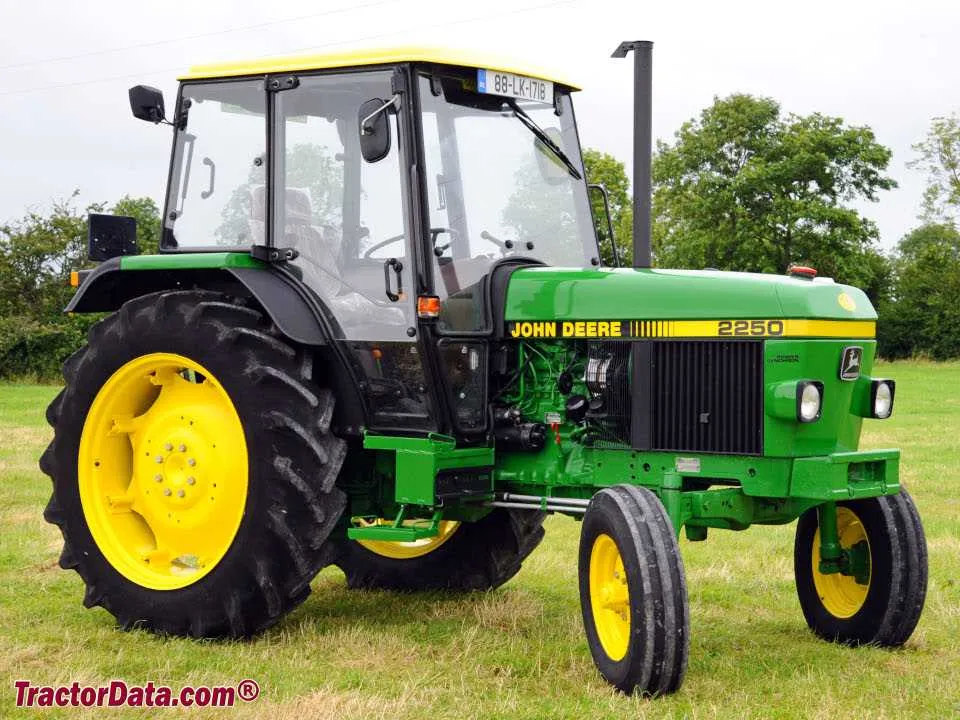
The John Deere 2255 has a compact design that ensures easy transport and handling. With a length of 12.4 feet (3.78 meters), a width of 6.7 feet (2.04 meters), and a height of 8.8 feet (2.68 meters), it fits into standard transport requirements, making it convenient for road hauling.
The tractor weighs approximately 7,300 lbs (3,311 kg) without attachments. This weight provides stability during operation but remains light enough for efficient handling and movement across job sites or between locations. Ensure that transport vehicles are rated to carry at least the tractor’s weight for safe hauling.
For ease of transportation, it is recommended to use a flatbed trailer that provides adequate length and width. Secure the tractor with heavy-duty straps or chains to prevent movement during transit. Pay attention to the tractor’s height to ensure clearance under bridges or low-hanging structures during transportation.
Hydraulic System and Load Capacity of John Deere 2255
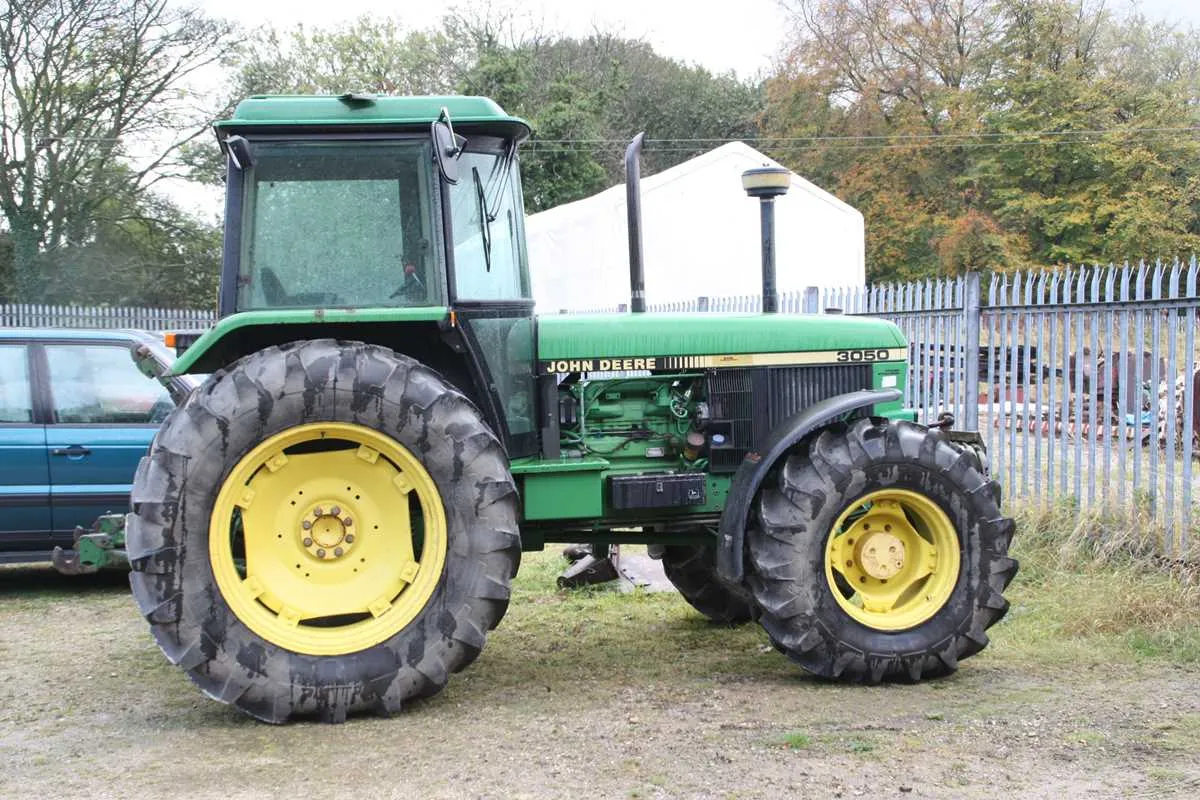
The John Deere 2255 features a reliable hydraulic system designed for various agricultural tasks. The system operates with a closed-center, load-sensing pump that ensures efficient power delivery to implements and attachments. This allows for smooth operation even under heavy loads.
The hydraulic system has a maximum flow rate of 16.5 gallons per minute (62.6 L/min), ensuring it can handle demanding implements, such as loaders, mowers, and other equipment, without strain. This capacity makes the 2255 ideal for medium-scale operations requiring versatile hydraulic performance.
For lifting operations, the John Deere 2255 offers a rear lift capacity of up to 3,000 lbs (1360 kg) with its three-point hitch. This gives it the ability to support a wide range of attachments, from plows to sprayers, enhancing its utility on the field.
- Hydraulic pump flow rate: 16.5 GPM (62.6 L/min)
- Rear lift capacity: 3,000 lbs (1360 kg)
- Hydraulic pressure: 2,200 PSI (151.7 bar)
The hydraulic pressure of 2,200 PSI ensures sufficient force for lifting heavy implements, while also maintaining efficiency. The combination of these features ensures smooth and reliable performance in various applications.
Consider regular maintenance of the hydraulic system to prevent wear and maintain consistent performance. Regularly checking fluid levels and replacing filters is crucial for optimal operation.