John Deere 130G Excavator Technical Specifications and Performance Overview
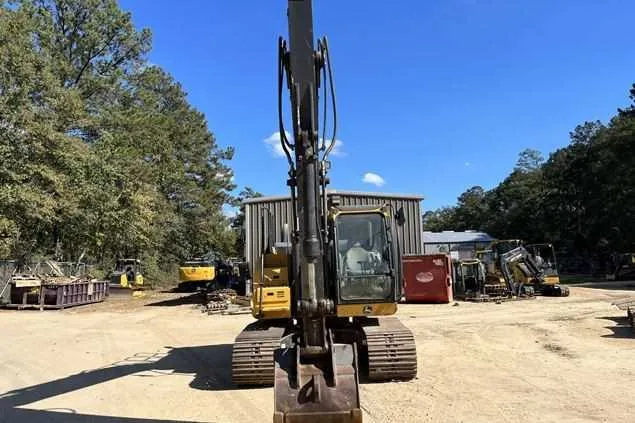
The John Deere 130G excavator offers a perfect balance of performance and fuel efficiency for medium to large construction tasks. Equipped with a 92 hp engine, it can handle various digging, lifting, and material handling tasks with ease. Whether you’re working on a demolition, trenching, or site preparation, the 130G excels in providing the necessary power for demanding conditions.
The compact design of the 130G makes it maneuverable in tight spaces while maintaining strong lifting and digging capabilities. With a maximum digging depth of 19 feet and a reach of over 26 feet, this machine is ideal for projects where precision and reach are required. The hydraulics are engineered for smooth operation, making it a reliable tool for operators in diverse environments.
Operators will find the spacious, well-designed cabin to be comfortable and ergonomic. The intuitive controls reduce operator fatigue during long hours, while the adjustable seating and climate control allow for an improved working experience. Enhanced with a variety of optional attachments, the John Deere 130G is adaptable to a wide range of tasks, making it a versatile asset for your equipment fleet.
John Deere 130G Excavator Specifications
The John Deere 130G Excavator is built for high performance in a range of demanding environments. With a powerful engine and robust design, it offers excellent digging force and lifting capacity, making it a reliable machine for heavy-duty tasks.
Key Specifications:
- Engine Power: 92 kW (123 hp)
- Operating Weight: 13,200 kg (29,000 lbs)
- Bucket Capacity: 0.56 – 0.91 m³ (0.73 – 1.19 yd³)
- Maximum Reach: 9.8 m (32 ft 2 in)
- Maximum Digging Depth: 6.49 m (21 ft 3 in)
- Maximum Dumping Height: 7.2 m (23 ft 7 in)
- Maximum Lifting Capacity: 4,600 kg (10,141 lbs)
With a heavy-duty undercarriage and hydraulics, the 130G offers stable performance even in rough conditions. The machine is equipped with advanced features such as improved fuel efficiency and user-friendly controls that enhance operator comfort and control.
For optimal performance, regular maintenance and service checks should be performed, including checking the hydraulic system, engine oil, and filters. Ensuring that the excavator is properly lubricated and serviced will prolong its operational life and maintain peak efficiency.
Engine Power and Performance Metrics
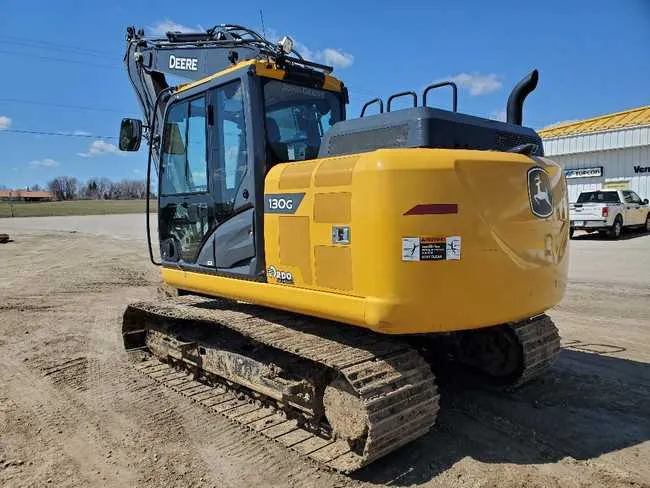
The John Deere 130G excavator is equipped with a 4.5L PowerTech Plus engine, delivering 92 kW (123 hp) at 2,000 rpm. This engine provides optimal performance for heavy-duty tasks, ensuring consistent power delivery during demanding operations.
With a peak torque of 560 Nm at 1,400 rpm, the engine offers high efficiency and responsiveness, making it ideal for digging, lifting, and loading tasks. The system ensures quick adaptation to changes in load and conditions, providing stable and reliable performance throughout its operational range.
The excavator’s engine is paired with a hydraulically driven cooling fan that automatically adjusts based on engine temperature, further enhancing fuel efficiency and extending the engine’s lifespan by reducing unnecessary wear. This feature helps maintain consistent engine power while minimizing fuel consumption.
Performance metrics for fuel efficiency include a standard fuel tank capacity of 160 liters, offering longer work intervals before refueling. Combined with the engine’s fuel-efficient design, the 130G offers a strong balance between power and operational cost-effectiveness.
Hydraulic System and Operational Capabilities
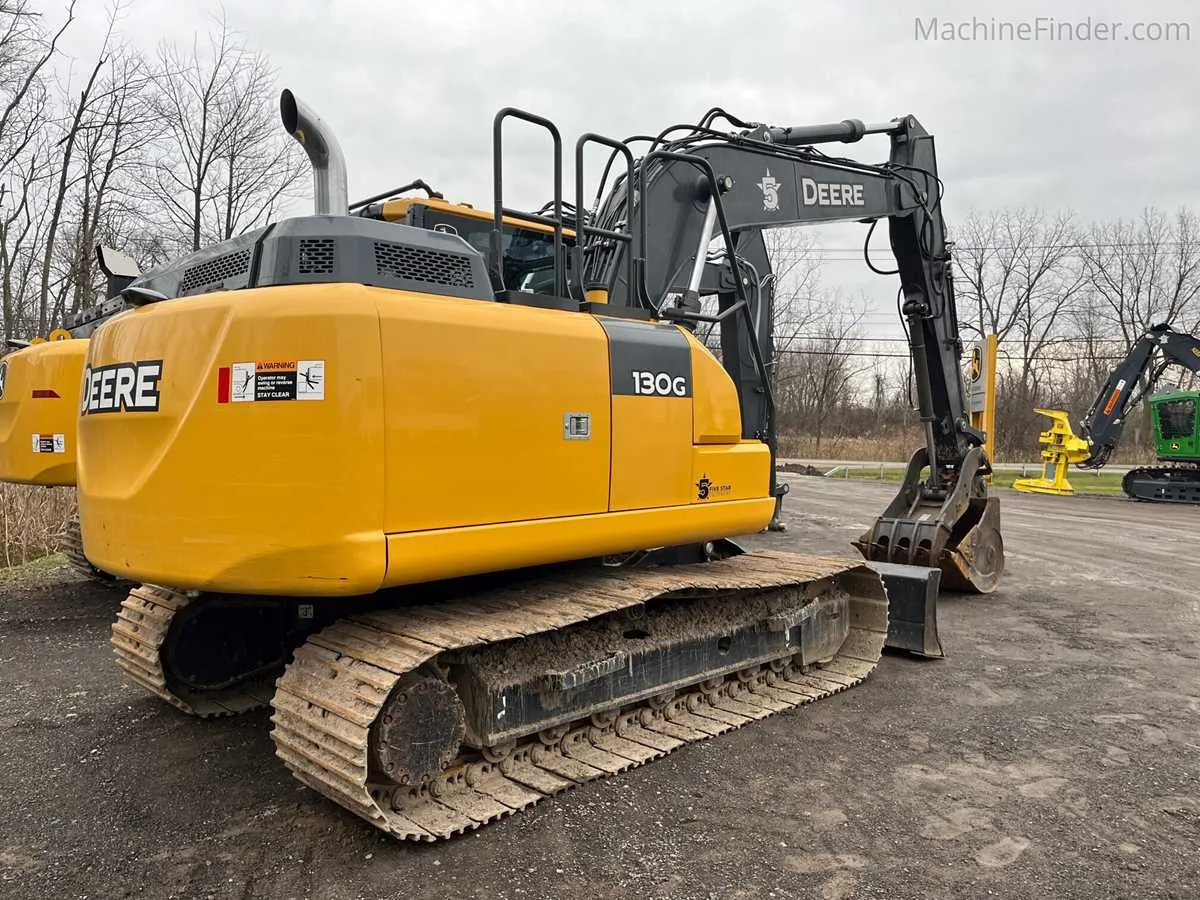
The hydraulic system in the John Deere 130G excavator is designed for high-performance operations. With a flow capacity of 160 liters per minute, it ensures precise and rapid movements. The system powers the boom, arm, and bucket with optimal force, allowing smooth and efficient digging and lifting actions.
The excavator’s hydraulic pump, equipped with load-sensing and pressure-compensating features, adjusts flow based on demand, offering better fuel efficiency without compromising operational power. The hydraulic pressure reaches up to 350 bar, providing ample force for tough tasks such as trenching and lifting heavy loads.
Hydraulic cylinders, rated for high durability, guarantee consistent performance even in demanding conditions. The system allows for quick cycle times, increasing productivity. The 130G’s operational capabilities are further enhanced by its auxiliary hydraulics, which can be used for additional attachments, offering versatility across various job sites.
To ensure maximum efficiency, the system uses an advanced filtration setup that reduces contamination, promoting longer service intervals and reducing downtime. These components, combined with a user-friendly interface, make operation smooth, reliable, and effective in various applications.
Maintenance and Service Requirements
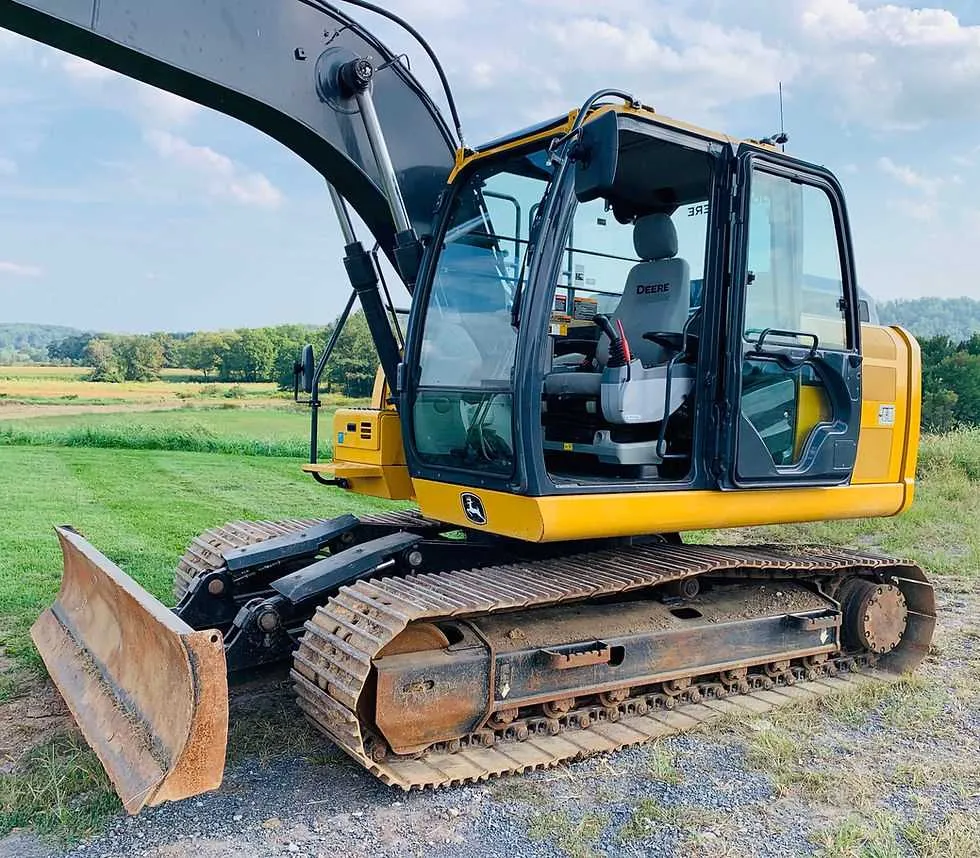
Regular maintenance ensures the John Deere 130G excavator operates at peak performance. Perform daily checks of fluid levels, including engine oil, coolant, and hydraulic fluid. Make sure there are no leaks, and inspect the air filter for any obstructions or damage. Clean or replace filters as needed, following the manufacturer’s schedule.
Check the undercarriage and tracks for wear. Inspect track tension and adjust if necessary to prevent uneven wear. Verify the track rollers and idlers for smooth operation and replace any damaged components. Keep the excavator free of dirt and debris, particularly around the cooling system and engine bay to prevent overheating.
For engine maintenance, change the oil and oil filter after every 250 hours of operation. Inspect the fuel system for leaks and ensure that the fuel filters are clean and replaced as required. Test the hydraulic system for optimal pressure and performance, and replace hydraulic oil and filters according to the service intervals in the operator’s manual.
Lubricate the boom, arm, and bucket pins regularly to minimize friction and prolong the lifespan of moving parts. Inspect the hydraulic hoses for wear or damage, and replace any compromised hoses immediately to avoid breakdowns.
Scheduled service intervals should be followed to maintain warranty coverage and ensure long-term reliability. Refer to the operator’s manual for the specific service intervals and recommended maintenance actions. Keep detailed records of maintenance tasks for troubleshooting and resale purposes.