John Deere 335 Round Baler Specifications and Features
The John Deere 335 round baler offers impressive features that make it a reliable choice for large-scale farming operations. With its 5′ diameter and 6′ width, it produces consistent, high-density bales. If you’re looking for efficiency and performance, this model is built to handle various types of crops, from hay to straw.
The machine is equipped with a variable bale chamber, which ensures even compression for tighter bales. It also features a heavy-duty pickup that works efficiently in different field conditions, reducing downtime. Its simple and durable design minimizes maintenance needs, making it a great investment for anyone looking to boost productivity.
Additionally, the John Deere 335 baler is compatible with a variety of tractors, providing versatility in the field. Whether you’re using it in dry or wet conditions, this baler ensures that bales are securely wrapped with minimal effort, improving overall handling and storage.
John Deere 335 Round Baler Specs
The John Deere 335 round baler is designed for small to medium-sized farms, offering excellent performance and ease of use. It has a 5-foot wide pickup and can form bales up to 5 feet in diameter. The baler is compatible with a wide range of tractors, with a recommended PTO horsepower of 35 to 65 HP.
The baler features a durable chain-and-slat pickup, which ensures smooth material flow. The 335 also uses a variable bale density system, allowing you to adjust the density to suit your specific needs. This results in higher bale quality and improved efficiency during the baling process.
For ease of operation, the John Deere 335 is equipped with a manual tie system. It also offers a robust, well-balanced design for better handling, even in rough terrain. Regular maintenance involves checking the drive chain and keeping the pickup teeth properly adjusted to prevent any clogging or uneven bales.
When setting up the baler, always ensure the tractor is properly matched to the baler’s specifications for optimal performance. Using a tractor with the correct horsepower will prevent unnecessary wear and maximize the baler’s capacity. Additionally, make sure the baler is properly calibrated to maintain consistent bale size and density.
Key Performance Features of the John Deere 335 Round Baler
The John Deere 335 Round Baler stands out for its strong performance and ease of use. With a bale chamber that provides consistent and tight baling, it ensures uniform bales every time. The baler’s advanced hydraulic system offers precise control, improving overall productivity.
The 335 model features a 5′ x 5′ bale size, ideal for a variety of applications. Its high-density design allows for more material to be packed into each bale, reducing transportation costs and increasing storage efficiency. The durable, all-steel construction ensures long-lasting operation, even in demanding conditions.
Another notable feature is the variable core system, which enables better control over the core density of each bale. This enhances the bale’s stability and reduces the risk of damage during handling. The baler’s easy-to-use control system makes operation smooth and intuitive, allowing for better work efficiency and less operator fatigue.
The John Deere 335 also boasts a high-speed pick-up, designed to work efficiently even with large volumes of hay or silage. This feature helps to maximize productivity during peak working hours, reducing downtime between bales. Combined with its reliable twine or net wrap system, it ensures bales are tightly secured for easier transport and storage.
Maintenance Requirements and Tips for the John Deere 335 Baler
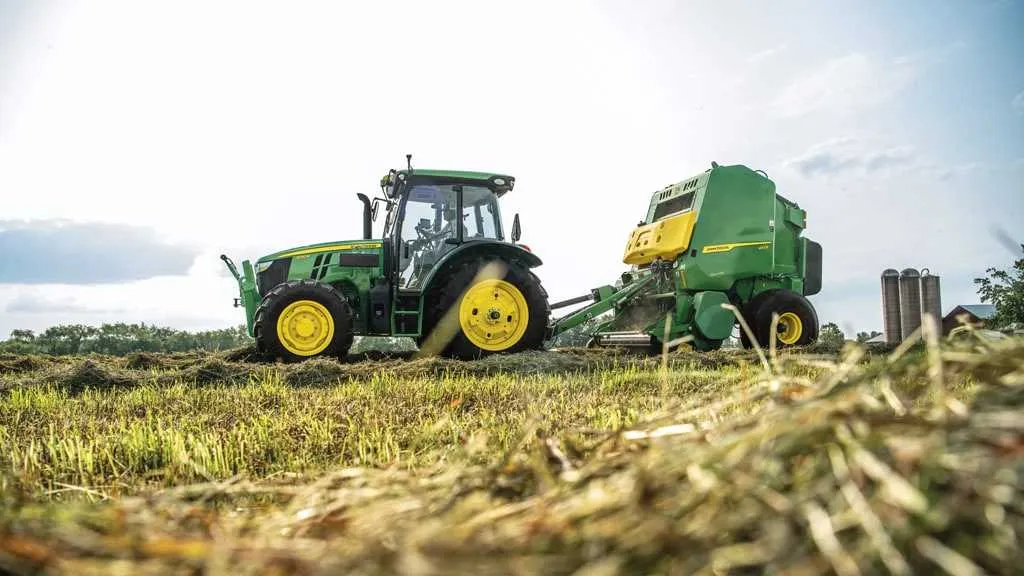
Regular maintenance of the John Deere 335 Baler ensures smooth operation and increases the machine’s longevity. Follow these key steps for effective upkeep.
- Check and Replace Oil Regularly: Change the oil every 100 hours of operation. Use the recommended oil type for smooth functioning of the gearbox and other components.
- Inspect the Pickup Mechanism: Ensure the pickup fingers are in good condition. Replace worn or damaged parts to prevent uneven baling.
- Monitor Bale Tension: Regularly inspect the tension on the bale chamber. Adjust the tension if needed to maintain consistent bale density and shape.
- Clean and Lubricate Moving Parts: Clean all moving parts regularly and apply lubricant as specified in the manual. This reduces friction and wear on key components.
- Check and Adjust Belts: Inspect all belts for wear and tear. Tighten or replace them if necessary to ensure proper operation of the baler.
- Inspect and Maintain the Twine System: Check for any blockages or tangling in the twine system. Regularly replace damaged twine to avoid operational interruptions.
- Monitor the Knotter Mechanism: The knotter system must be kept clean and free of debris. Periodically inspect the knots and adjust the system to avoid skipping or improper tying.
Adhering to these maintenance tips will enhance performance and prevent unexpected breakdowns, keeping the John Deere 335 Baler in optimal condition.
Comparing John Deere 335 with Other Round Balers in Its Class
The John Deere 335 offers a reliable balance of performance and ease of use, making it a solid choice among round balers. In comparison with models like the New Holland Roll-Belt 450 and the Case IH RB565, the 335 stands out with its simple operation and efficient baling process. The 335’s fixed chamber system is preferred by users who prioritize consistent bale formation and ease of maintenance, while the Roll-Belt 450 provides more advanced features like a variable chamber, allowing it to produce bales of varying sizes, which might appeal to users with more complex needs.
One of the key differences between the John Deere 335 and its competitors is its size and bale density. While the 335 forms 5′ x 6′ bales, the Case IH RB565 offers slightly larger bale options with a 5′ x 6′ to 5′ x 7′ range. This could be beneficial for operations requiring larger bales for long-term storage or transportation. However, the John Deere 335’s bale density is optimal for those who need reliable, medium-density bales with fewer adjustments.
Another point of comparison is the durability and ease of use. The John Deere 335 has a straightforward design, with fewer moving parts than some competitors, which leads to lower maintenance costs and less downtime. In contrast, the New Holland Roll-Belt 450 features advanced technology that offers more precise adjustments, but it requires a higher level of maintenance and service, which could increase operational costs in the long run.
When considering price, the John Deere 335 typically comes at a lower initial cost compared to the more feature-rich models like the Roll-Belt 450. For many operators, the trade-off between advanced features and cost makes the 335 a more practical choice, especially for those in smaller to mid-sized operations.
Overall, the John Deere 335 holds its own in the competitive round baler market, offering a dependable and user-friendly option for farmers looking to prioritize reliability, ease of maintenance, and consistent bale quality over cutting-edge technology and larger bale sizes.