John Deere W260 Specifications and Key Features Overview
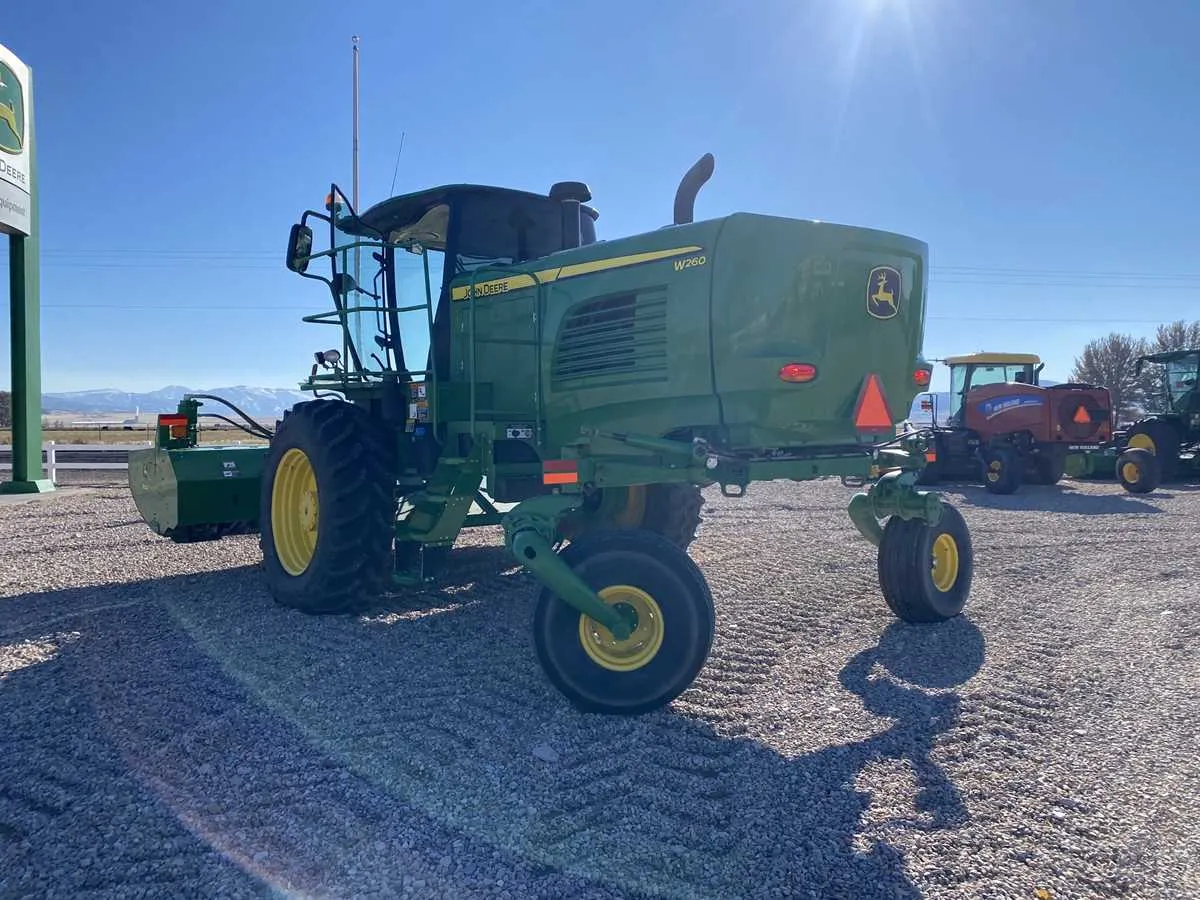
The John Deere W260 combines power and versatility, ideal for heavy-duty operations. With a robust engine, this machine handles large areas and demanding tasks with ease. It is equipped with a 6.8L 6-cylinder engine, delivering up to 260 horsepower, providing both fuel efficiency and performance. The precise hydraulic system ensures consistent results, optimizing the machine’s performance even under challenging conditions.
For improved maneuverability, the W260 features a full-time 4WD system, making it adaptable to different terrains. The machine’s hydrostatic transmission allows for smooth operation and seamless speed adjustments. Additionally, the tilting steering wheel and adjustable seat contribute to operator comfort, making long working hours more manageable.
When it comes to maintenance, the W260 stands out with its user-friendly design. Regular inspections and proper lubrication are key to maintaining its performance over time. Be sure to check the air filters and oil levels, as these are crucial for maintaining engine health. The easy-access engine compartment simplifies maintenance tasks, allowing operators to stay on top of regular upkeep without significant downtime.
John Deere W260 Specs
The John Deere W260 is designed for operators seeking reliability and high-performance in a mower-conditioner. Powered by a 6.8L engine, the W260 delivers 260 horsepower, ensuring smooth operation in various conditions. Its high torque and fuel-efficient design contribute to consistent productivity in large-scale mowing operations.
With a 9’6″ cutting width, the W260 is well-suited for large acreage. The rotary disc design improves cutting efficiency by offering a clean and precise cut, reducing downtime for maintenance. The machine also features a 12-foot wide swath for better coverage, minimizing the need for multiple passes in the field.
The W260’s suspension system ensures stability even in uneven terrain. Its adjustable flotation system helps maintain proper ground contact, preventing unnecessary wear on the machine and the fields. This is especially useful in wet conditions, where soil compaction could otherwise be an issue.
Another notable feature is the heavy-duty driveline, which transmits power efficiently and reduces wear over time. The gearbox is designed to handle tough working conditions, extending the life of the mower-conditioner. Regular maintenance checks on the drivetrain ensure long-term reliability and performance.
The W260’s cab provides excellent visibility and comfort for the operator. Its ergonomic design minimizes fatigue during long working hours. Equipped with easy-to-use controls, operators can adjust settings quickly without distraction, maintaining focus on the job at hand.
For optimal performance, routine maintenance checks should be performed regularly, especially on the cutter bar and driveline components. Keeping the W260 clean and well-lubricated helps maintain its operational efficiency, reducing the risk of breakdowns during busy work seasons.
Key Engine and Performance Features of the John Deere W260
The John Deere W260 is powered by a 6.8L engine, delivering impressive horsepower for demanding tasks. With a rated power output of 260 horsepower, this engine ensures a reliable and robust performance, making it ideal for heavy-duty operations. The engine’s turbocharged design optimizes fuel efficiency while maintaining high power under load, ensuring steady productivity throughout long hours of work.
Engine cooling is handled by a high-performance cooling system, keeping the engine at optimal temperatures even during extended use in tough conditions. This enhances the engine’s longevity and reduces the likelihood of overheating, ensuring continuous operation without interruption.
The machine incorporates advanced electronic fuel injection, improving throttle response and ensuring precise control of fuel delivery. This results in smoother operation and better fuel consumption, which translates into lower operational costs over time.
In terms of transmission, the John Deere W260 features a power-shift transmission that provides seamless shifts between gears. The transmission’s design ensures that the machine can handle a wide range of tasks without sacrificing performance, making it highly versatile in the field.
The combination of these engine and performance features ensures that the John Deere W260 operates with maximum efficiency, reliability, and productivity, making it an excellent choice for those requiring a high-performing, heavy-duty machine for demanding agricultural tasks.
Maintenance and Troubleshooting for the John Deere W260
Regular maintenance of the John Deere W260 ensures smooth operation and extends its lifespan. Begin with checking fluid levels, including engine oil, hydraulic oil, and coolant. Refill as needed, ensuring each fluid type matches manufacturer specifications. Replace the oil filter every 250 hours of use to maintain engine health.
Inspect the air filter regularly. Replace it if it appears dirty or clogged, especially after working in dusty conditions. A clean filter ensures optimal engine performance and fuel efficiency.
The cooling system requires consistent attention. Clean the radiator fins to avoid debris buildup, which can cause overheating. If the tractor runs hot, check the thermostat and coolant level; replace them if necessary.
Examine the fuel system for leaks or signs of wear. Inspect fuel lines for cracks and replace any damaged hoses. For fuel filters, replace them at the recommended intervals to prevent clogging that could impact engine performance.
Check the condition of the tires. Ensure proper tire pressure based on the manufacturer’s guidelines. Inspect tires for signs of wear or punctures and replace them if necessary to maintain traction and stability.
If you experience engine misfires, inspect the spark plugs for wear. Clean or replace them as needed. Additionally, verify that the ignition system is functioning properly.
If the hydraulic system is slow or unresponsive, check the hydraulic fluid level. Low fluid levels can cause sluggish operation or failure of the system. If the fluid level is fine, inspect the hydraulic hoses for leaks.
For any system failure, start by checking the diagnostic codes displayed on the tractor’s display panel. These codes provide insight into potential issues with the engine or components.
In case of electrical problems, verify the battery charge and connections. A loose or corroded battery terminal can lead to power failure. Clean the terminals and ensure the battery is securely connected.
For troubleshooting mechanical issues, consult the operator’s manual for specific guidance on part replacement and repairs. Regular servicing by a certified technician is recommended for complex mechanical or electrical issues.
Customization Options and Attachments for the John Deere W260
The John Deere W260 offers a variety of customization options and attachments that allow users to tailor the machine to their specific needs. Whether adjusting for different crops or enhancing machine performance, these options help achieve optimal productivity.
One of the key features of the W260 is its compatibility with several attachments, including:
- Header Attachments: Choose from various header sizes to match your harvesting needs. The W260 supports grain headers, corn heads, and specialized attachments for different crops, such as wheat, barley, and soybeans.
- Seeder Attachments: Add seeders to the W260 for planting operations. These attachments are designed to integrate seamlessly with the machine for precise seed placement and optimal crop growth.
- Harvester Attachments: Select from a range of harvester heads to handle different crop types, ensuring efficient processing. These attachments are ideal for a range of conditions, from light to heavy yields.
- Field Kit Options: Customize the W260 with field kits for enhanced field performance, such as precision farming tools and upgraded tire options for specific terrain conditions.
- Extension Kits: Add extension kits for increasing the working width of the machine, improving productivity during long harvests or large fields.
Additionally, the W260’s hydraulic system offers flexibility in customizing attachments. You can choose to adjust hydraulic flow for different tasks, ensuring maximum performance. For enhanced precision, GPS and auto-steering systems can be integrated, allowing for more efficient land management and field navigation.
When selecting attachments and customization options, consider factors such as soil type, crop variety, and field layout. Proper adjustments not only improve performance but also extend the lifespan of your equipment by reducing wear and tear during use.