John Deere 1050 Bulldozer Specifications and Features
The John Deere 1050 bulldozer offers impressive power and performance for heavy-duty tasks. With a powerful diesel engine delivering 105 horsepower, this machine is designed for efficiency in tough working environments. Its advanced hydraulics ensure smooth operation and effective use of attachments, making it an excellent choice for construction, mining, and agricultural projects.
Engineered with precision, the 1050 features a durable undercarriage built to withstand extreme conditions. The dozer’s superior balance allows for better control, while its efficient fuel consumption makes it a cost-effective option over time. Operators can rely on its stability and power for a wide range of applications, including pushing large volumes of material with ease.
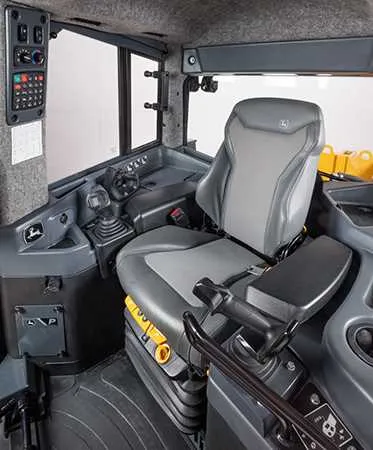
The 1050’s operator cabin provides excellent visibility and comfort, reducing fatigue during long shifts. Its user-friendly controls enhance the overall experience, allowing operators to focus on the task at hand. Whether you are clearing land or moving earth, the John Deere 1050 combines strength with smart engineering, offering reliability on any job site.
John Deere 1050 Bulldozer Specifications
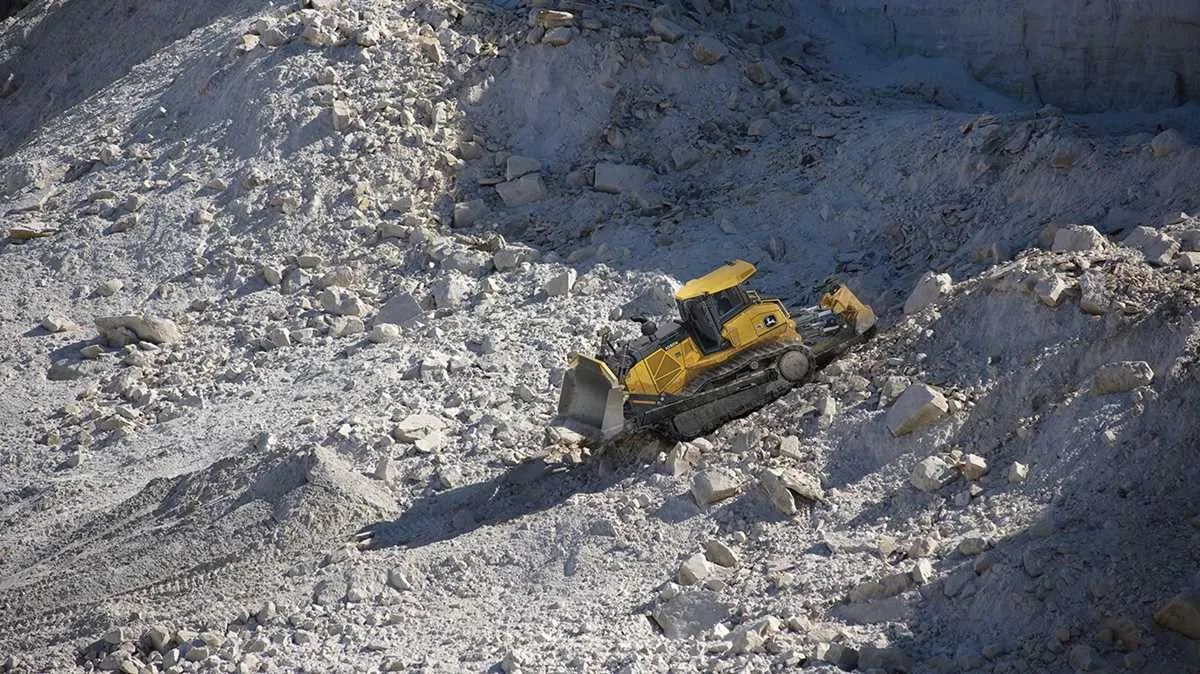
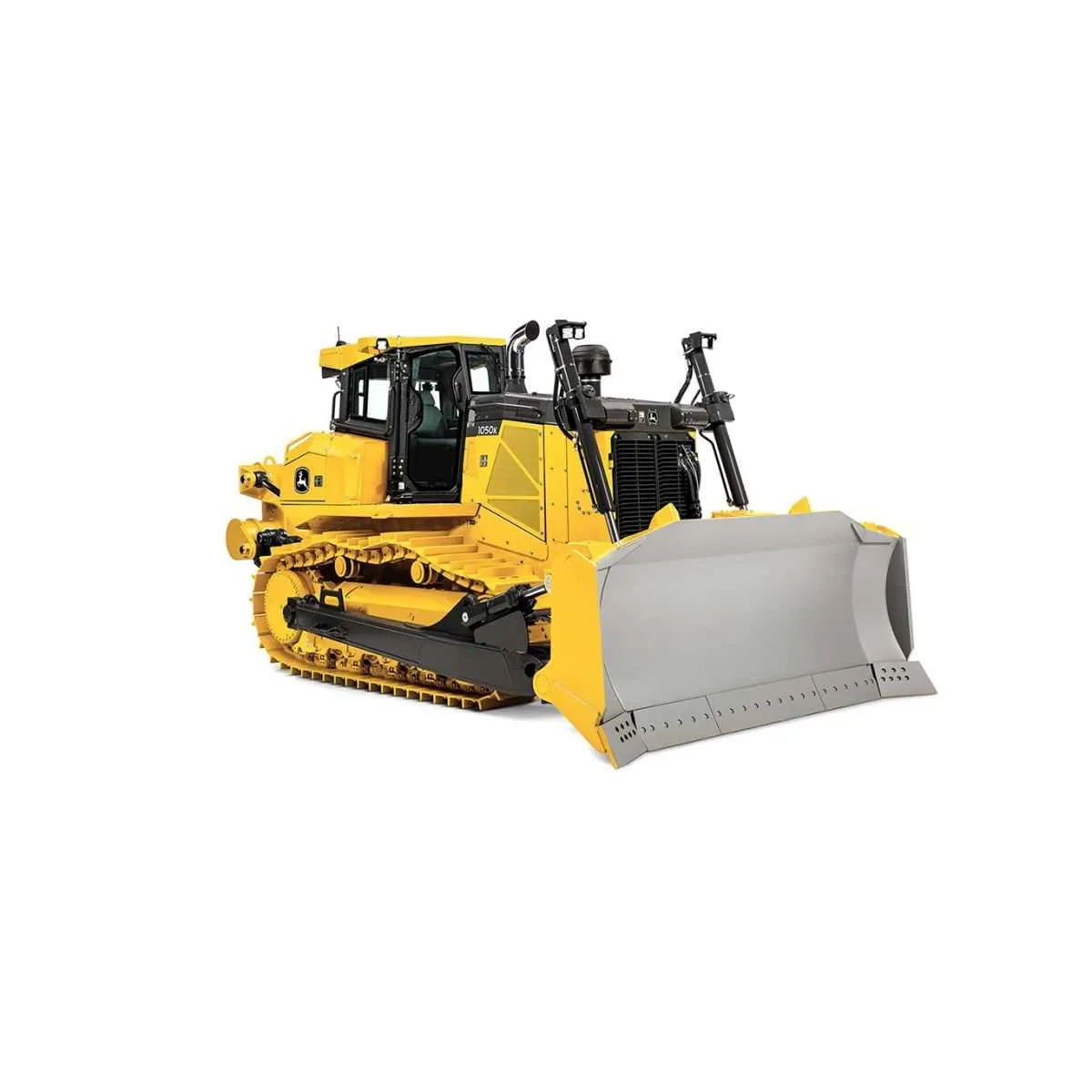
The John Deere 1050 bulldozer is designed for heavy-duty applications, offering impressive performance and durability. Below are its key specifications that highlight its capabilities.
- Engine Model: John Deere PowerTech PVS 4045HTC03
- Engine Power: 105 hp (78 kW)
- Operating Weight: 18,000 lbs (8,164 kg)
- Blade Width: 8.5 ft (2.59 m)
- Blade Capacity: 2.5 cu yd (1.91 m³)
- Track Width: 18 inches (457 mm)
- Ground Clearance: 15.5 inches (394 mm)
- Max Speed: 7.3 mph (11.75 km/h)
- Fuel Tank Capacity: 30.5 gallons (115.5 L)
For applications that require significant power and durability, the John Deere 1050’s engine and design allow for enhanced productivity on a variety of construction sites. Its blade size and capacity make it a strong choice for land clearing, grading, and other heavy-duty tasks.
The dozer’s wide tracks and ground clearance ensure excellent stability and traction in various soil conditions, reducing the risk of getting stuck during operations. With a solid fuel capacity, it can operate for extended hours without needing frequent refueling, making it a reliable machine for long workdays.
Overall, the John Deere 1050 bulldozer delivers a well-rounded performance suited for demanding construction, mining, and excavation tasks, ensuring high efficiency and dependability in various environments.
Engine and Performance: Key Features of the John Deere 1050
The John Deere 1050 bulldozer is powered by a 6.8L PowerTech PSS engine, offering a reliable and robust performance. This engine delivers a horsepower of 105, ensuring the bulldozer is capable of tackling various heavy-duty tasks with ease.
The engine features a turbocharged design, providing efficient fuel combustion and ensuring high power output. With a maximum torque of 531 lb-ft at 1,400 rpm, the John Deere 1050 maintains impressive force for digging and pushing materials, making it suitable for construction and earth-moving projects.
For enhanced durability, the engine comes equipped with a charge air cooler and a state-of-the-art filtration system, which helps extend the lifespan of both engine and hydraulic components. This also contributes to lowering maintenance costs over time.
Equipped with a four-speed fully automatic transmission, the John Deere 1050 ensures smooth and precise control of speed, allowing the operator to adjust quickly to different work conditions without sacrificing performance.
The bulldozer is also designed for fuel efficiency, enabling longer working hours without frequent refueling, reducing operational downtime and enhancing productivity on the job site.
Hydraulic System and Its Impact on Operation
The hydraulic system of the John Deere 1050 bulldozer plays a pivotal role in the machine’s performance and efficiency. It powers critical components like the blade lift, ripper, and steering, making it indispensable for heavy-duty tasks. The system is designed for quick response times and high lifting capabilities, allowing the operator to maintain control over demanding operations with ease.
With a maximum pump flow of approximately 60 GPM (gallons per minute), the hydraulic system delivers consistent and reliable performance under varying load conditions. This allows for precise adjustments, even when the machine is working at full capacity. Whether moving earth, grading, or performing trenching tasks, the hydraulic system ensures that each function operates smoothly without delay.
The system’s integrated cooling mechanism helps prevent overheating, especially during prolonged use. This reduces the risk of system failure and prolongs the overall life of the bulldozer. Regular maintenance, such as checking fluid levels and ensuring the hydraulic hoses are in good condition, is crucial to maintain optimal performance and avoid costly downtime.
Properly maintaining the hydraulic system ensures the bulldozer’s ability to perform high-impact tasks with minimal operational disruptions. Regular hydraulic fluid changes and filter replacements will keep the system in top working condition, reducing the risk of contamination and maintaining system efficiency over time.
Maintenance Requirements for Long-Term Use of the John Deere 1050
Regularly inspect and replace hydraulic filters every 500 hours of operation to prevent debris buildup, which can affect the system’s performance.
Engine oil should be changed every 250 hours. Use high-quality oil as specified in the operator’s manual to ensure proper lubrication and reduce wear.
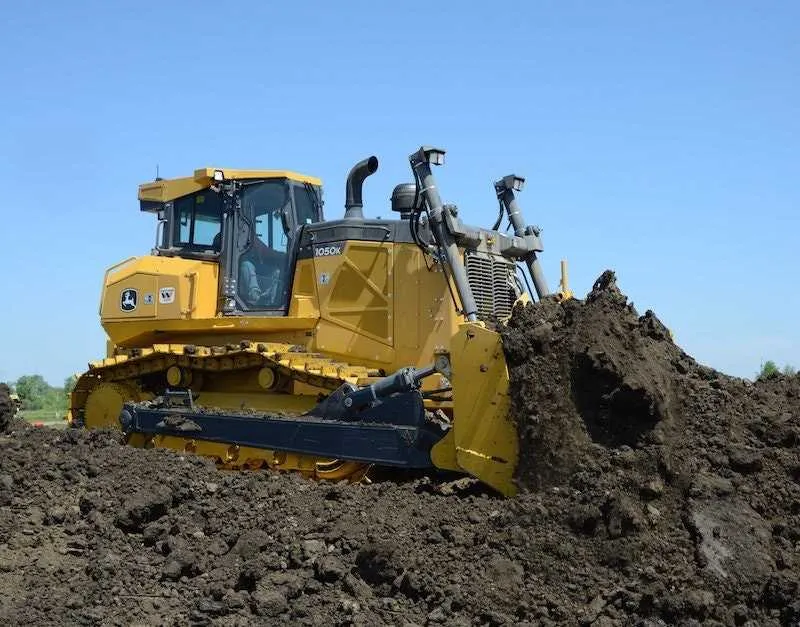
Monitor the condition of the undercarriage and tracks. Clean tracks and inspect for wear every 250 hours. Replacing worn sprockets and rollers promptly will extend the life of the machine.
Check the coolant level and ensure the radiator is clean to avoid overheating. A dirty or clogged radiator reduces cooling efficiency and can lead to engine failure.
Inspect the fuel system regularly for leaks or cracks in fuel lines. Fuel filters should be changed every 500 hours to ensure optimal engine performance and prevent contaminants from damaging the system.
For the battery, check terminals and clean corrosion regularly. Battery charge should be tested every 100 hours, especially before winter months.
Always follow the manufacturer’s guidelines for replacing air filters. Air filter maintenance every 250 hours will help prevent dirt from entering the engine, which can reduce its lifespan.
For optimal hydraulic system performance, check fluid levels and replace fluids as recommended by the manufacturer. Regular fluid changes will help maintain smooth operation and prevent overheating.
Check and adjust the track tension as needed. Improper tension can cause excessive wear on components and decrease the lifespan of the machine.
Perform regular inspections of the electrical system to identify potential wiring issues or faults that could disrupt operations. Ensure all components are functioning correctly to avoid unexpected downtime.