Test Specifications for Temperature Sensors in John Deere Equipment
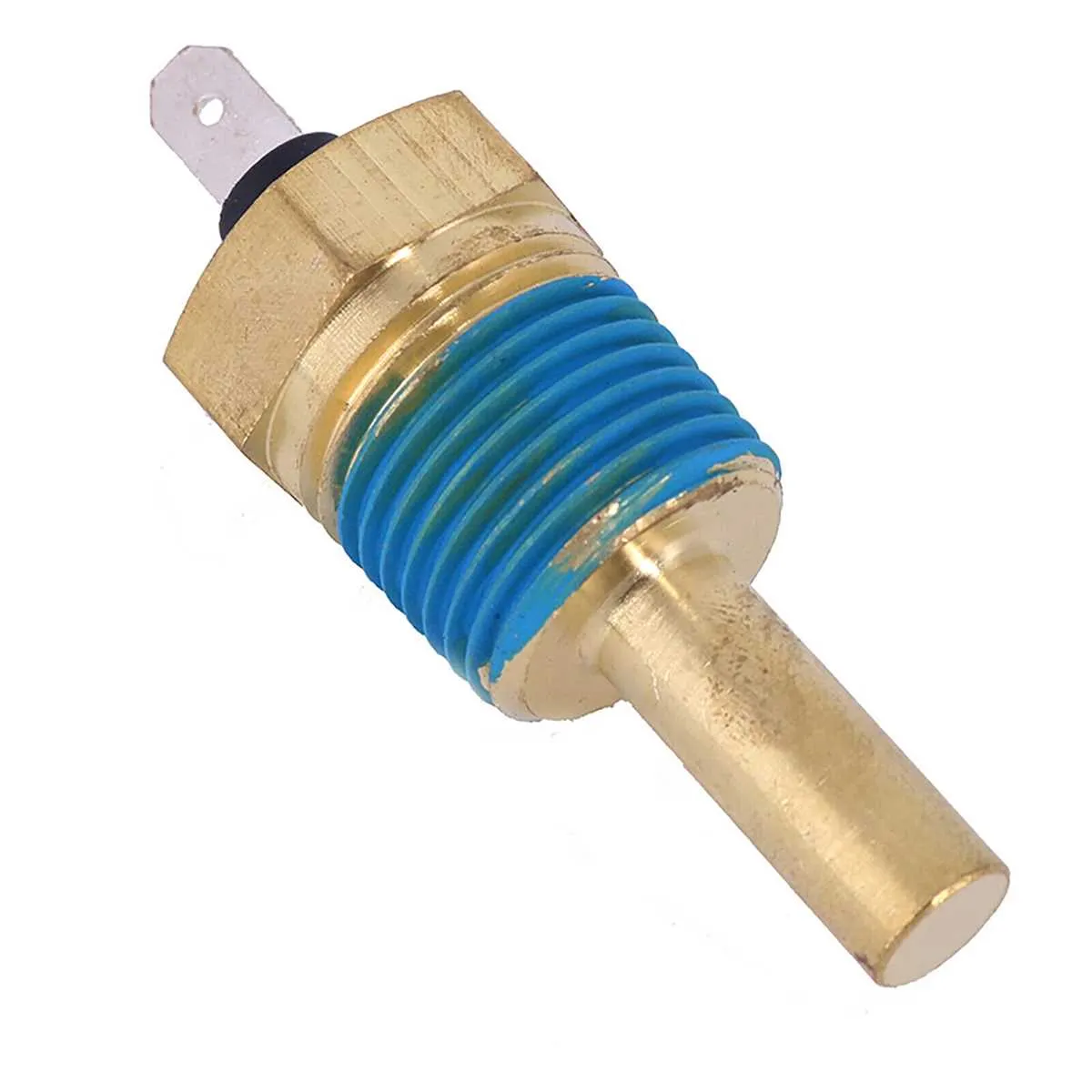
The performance of temperature sensors is critical for the reliability of John Deere machinery. These sensors are designed to monitor the temperature of engine components and fluids, ensuring optimal operation. Proper testing of these sensors is essential to confirm their accuracy and durability under various conditions.
Accuracy is the first aspect to evaluate during testing. Ensure that the sensor reads temperature consistently within its specified tolerance range. Test the sensor at various temperature points and compare readings with a calibrated thermometer or thermocouple. This guarantees that the sensor is accurate across its full operational range.
Response time is another key factor. The sensor must react quickly to temperature changes. Conduct tests by rapidly changing the temperature of the sensor environment and measuring the time it takes for the sensor to adjust to the new temperature. Ideally, the response should be within a few seconds to ensure real-time monitoring of the engine’s condition.
Also, ensure that the sensor can withstand harsh environmental conditions such as high vibration, moisture, and extreme temperatures. Test the sensor in a simulated environment similar to what it would experience during typical operations. This will validate the sensor’s ability to function properly in the field.
Finally, check the connection and installation integrity. A loose or faulty connection can cause unreliable readings, which can affect performance. Ensure that the sensor connectors are properly sealed and resistant to wear and corrosion to prevent malfunction during use.
Test Specs for Temp Sensors for John Deere
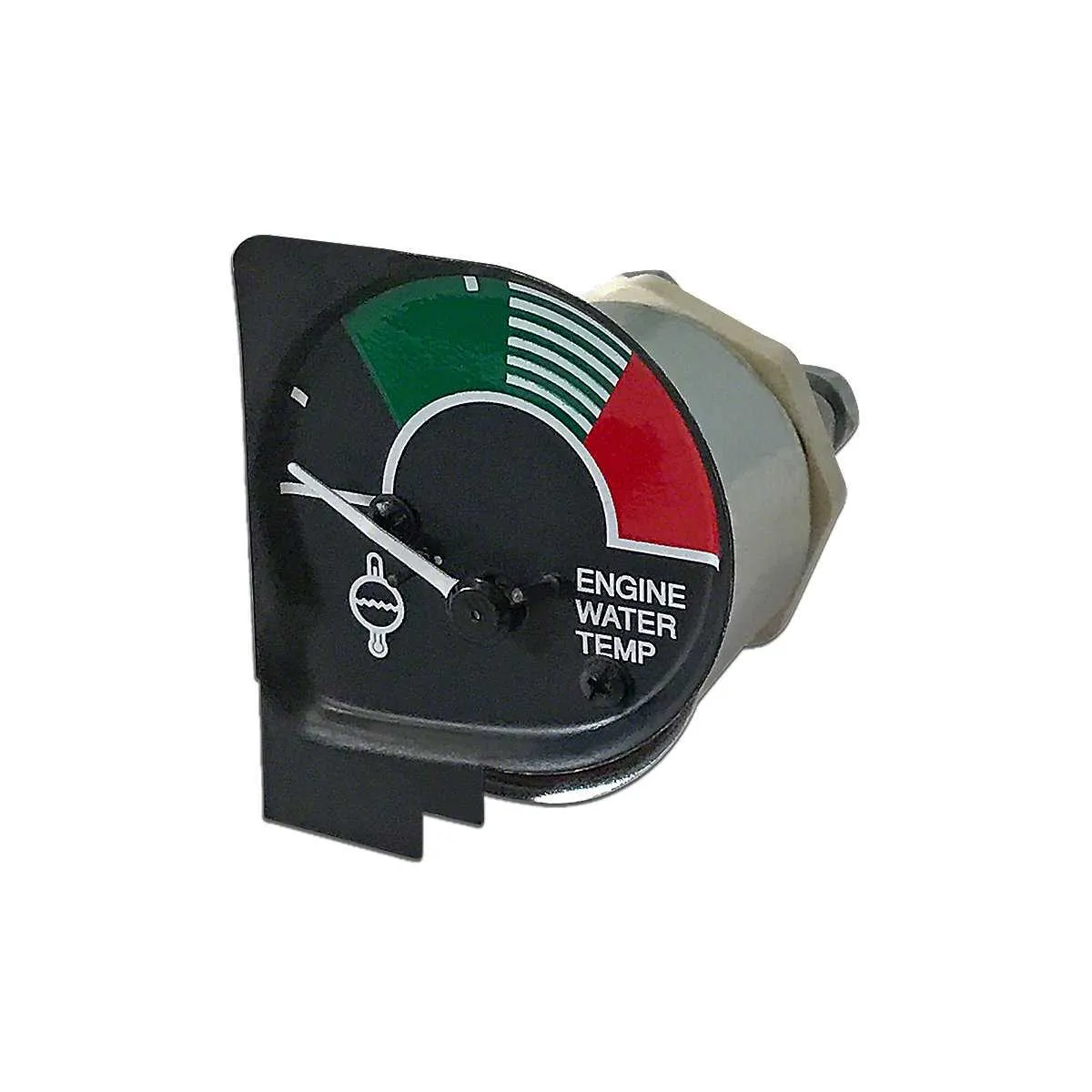
Test temperature sensors under standard operating conditions to verify their accuracy and reliability. Use a calibrated thermocouple to measure the temperature at various points, ensuring the sensor’s readings match those of the reference equipment. Perform tests across the full temperature range, typically from -40°C to 120°C, to check sensor performance at extreme temperatures.
Inspect the sensor’s response time by introducing a rapid temperature change and measuring the time it takes to stabilize within 1% of the final value. This is critical for applications requiring quick temperature adjustments. Record the hysteresis of the sensor to ensure its readings are consistent under repeated thermal cycles.
Check the sensor’s resistance to electromagnetic interference (EMI). Run the sensor through tests involving high-voltage equipment and strong magnetic fields to confirm it maintains signal integrity and doesn’t produce erroneous readings. Environmental testing, including exposure to dust and moisture, is also necessary to confirm the sensor’s durability in harsh field conditions.
Verify the sensor’s connection stability by inspecting the wiring and connectors for corrosion resistance and proper insulation. Ensure they comply with John Deere’s specifications for electrical integrity, including voltage ratings and the current-carrying capacity of the wiring.
Lastly, perform longevity tests to simulate real-world usage. Subject the sensor to thermal cycling for several hundred hours to verify its long-term performance and ensure the calibration remains accurate throughout its expected lifespan.
Key Calibration Requirements for Temperature Sensors
Ensure the calibration of temperature sensors in John Deere systems follows precise standards for reliable performance. Temperature sensors must be calibrated at both ambient and operating temperatures to guarantee accurate readings across the full range of operation.
Calibration should start with verifying the sensor’s response to known reference temperatures. Use a high-quality thermometer with a confirmed accuracy range within the sensor’s operational limits. This ensures that discrepancies between the sensor reading and the reference are minimal.
Check the sensor’s accuracy across its full operating temperature range, from the lowest to the highest specified temperature. Pay special attention to sensor drift, particularly over extended periods of use, as this can affect precision in extreme conditions.
Perform regular recalibration intervals based on usage and environmental factors. High-vibration or extreme weather conditions may necessitate more frequent checks. Log each calibration result for tracking performance trends over time.
Confirm that the sensor calibration matches the specific requirements of the machinery’s control system. Adjustments should be made to the sensor’s signal output to align with the control unit’s parameters, ensuring smooth integration within the overall system.
Verify the stability of the sensor by conducting tests with a range of temperature variations during both power-on and steady-state conditions. This helps identify potential anomalies caused by sensor lag or other performance issues.
Choosing the Right Temperature Sensor for John Deere Equipment
To select the optimal temperature sensor for John Deere machinery, focus on accuracy, durability, and compatibility with the system. Ensure the sensor meets the temperature range specific to the application, whether for engine, hydraulic, or exhaust temperature monitoring.
Consider these key factors:
- Temperature Range: Match the sensor’s range with the operating temperatures of the equipment. For engine sensors, ranges from -40°C to 150°C are common, while exhaust systems may require sensors that handle temperatures up to 1000°C.
- Response Time: Opt for sensors with a quick response time to ensure fast adjustments and minimize the risk of overheating. This is especially critical in high-stress environments like engine monitoring.
- Sensor Type: Choose between thermistors, thermocouples, or resistance temperature detectors (RTDs), based on the application. Thermistors are ideal for narrow temperature ranges, while thermocouples are better suited for extreme temperatures.
- Environmental Resistance: Ensure the sensor can withstand exposure to moisture, dust, and vibration typical of agricultural and heavy machinery environments. Look for waterproof and ruggedized models.
- Compatibility: Verify that the sensor is compatible with the specific John Deere model and integrates seamlessly into the existing control system. Check connector types and calibration settings to avoid installation issues.
Finally, select sensors from trusted manufacturers who provide detailed specifications and reliable support. Test the sensor’s functionality in real-world conditions to ensure long-term performance and avoid premature failure.
Common Issues and Troubleshooting in Temperature Sensor Testing
Sensor malfunction due to poor wiring connections is a frequent issue. Ensure that the wires are properly secured and not subject to wear or corrosion. Tighten all connections and replace any damaged wires to eliminate false readings.
Interference from external heat sources can skew sensor performance. Test sensors in controlled environments to minimize external temperature fluctuations that might affect the accuracy of readings. Shield sensors from machinery or exhaust systems that could introduce heat anomalies.
Calibration errors are often overlooked. Make sure to follow the manufacturer’s specifications for calibration. Use a calibrated temperature reference to check sensor accuracy at various temperature points to confirm that the sensor provides reliable data across its entire range.
Sensor contamination from dirt, oil, or chemicals can also distort readings. Regularly clean the sensors and their surroundings to maintain proper functioning. When testing, ensure that no residue is present on the sensor or its contacts.
Check for faulty or worn-out sensor components. Over time, sensor materials may degrade, leading to inaccurate readings. If sensors are not performing as expected after troubleshooting, replacement may be necessary to restore accuracy.
Testing environment instability can cause inconsistencies in sensor results. Avoid conducting tests in areas where vibrations, moisture, or power surges may affect sensor behavior. A stable testing environment helps ensure reliable sensor performance and prevents erroneous readings.