John Deere 1890 Specifications and Key Features
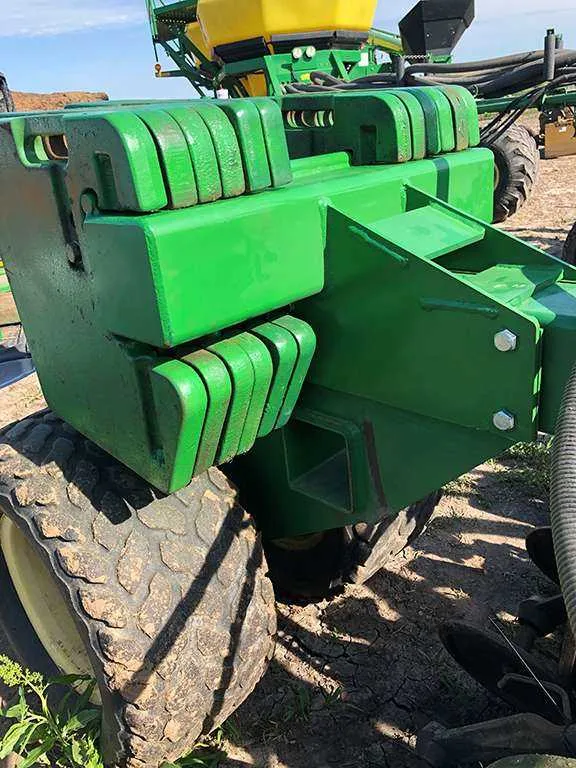
The John Deere 1890 is a high-performance air seeder designed for precision and durability. Built to handle large-acreage farming, it provides consistent seeding depth and spacing, which is crucial for maximizing crop yields. The 1890’s robust construction ensures it can operate in various soil conditions, giving farmers flexibility in their operations.
With a working width of up to 60 feet, the 1890 is ideal for large-scale operations. The unit is equipped with advanced seeding technology that allows for even seed distribution, minimizing waste and optimizing plant growth. Its pneumatic air system accurately places seeds at the desired depth, providing optimal conditions for germination and early growth.
Farmers looking to increase efficiency will appreciate the John Deere 1890’s compatibility with different tractor models, offering seamless integration. It also features easy calibration, ensuring quick setup and minimal downtime. For consistent performance and reduced maintenance costs, the 1890’s parts are designed for longevity and easy replacement, ensuring trouble-free operation season after season.
John Deere 1890 Specifications
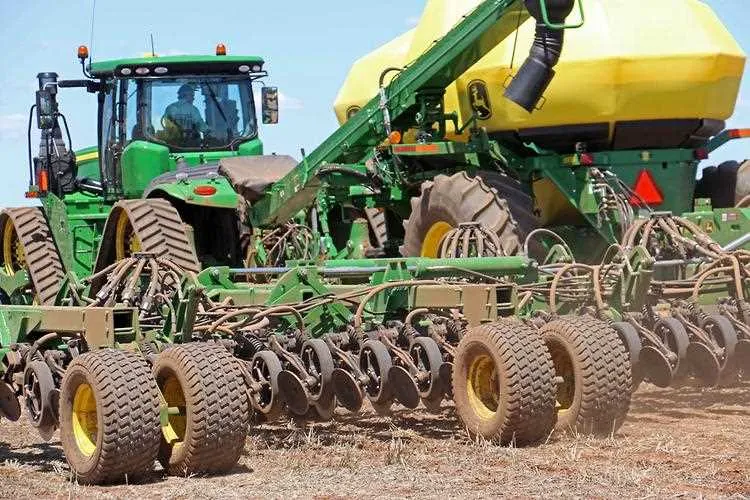
The John Deere 1890 is built to handle large-scale farming tasks with precision and durability. It is equipped with a high-performing seeding system that ensures accurate seed placement and consistent depth control. The 1890 offers adjustable row spacing, making it adaptable for various soil conditions and crop types.
The machine features a durable frame designed to withstand the toughest environments, providing stability and performance under heavy loads. Its air-seeder design minimizes soil disturbance, which enhances seed-to-soil contact and improves germination rates.
With a range of 30 to 40 feet working width, the 1890 offers efficiency for large-acreage coverage while maintaining accuracy. The hydraulic downforce system ensures even seed depth across different terrain, providing better seed placement and minimizing crop damage.
The 1890 comes with a robust system for controlling seed metering. The system is electronically controlled, allowing for precise adjustments based on varying field conditions, optimizing seed usage. The machine is also compatible with GPS guidance systems for enhanced precision and ease of use.
Maintenance of the John Deere 1890 is streamlined with easy access to key components for routine checks and repairs. Regular inspection of the seed metering system and hydraulic components is recommended to ensure continued optimal performance throughout the planting season.
Share
Hydraulic System and Lift Capacity
The John Deere 1890 features a robust hydraulic system designed to maximize performance across various tasks. It includes a high-capacity pump that delivers reliable power to the implements, ensuring smooth operation under heavy load conditions. The system’s flow rate is well-suited for demanding agricultural work, offering consistent pressure and minimizing downtime.
The lift capacity of the John Deere 1890 is optimized to handle a wide range of attachments. It can lift substantial weights, providing the flexibility needed for both light and heavy-duty operations. Whether lifting large equipment or performing precise adjustments, the system’s efficiency reduces wear and enhances longevity.
For peak performance, it is recommended to regularly maintain the hydraulic fluid and check for any potential leaks. Ensuring the hydraulic system is free from air contamination will also help maintain the system’s capacity and improve operational reliability over time.
Maintenance Requirements and Service Intervals
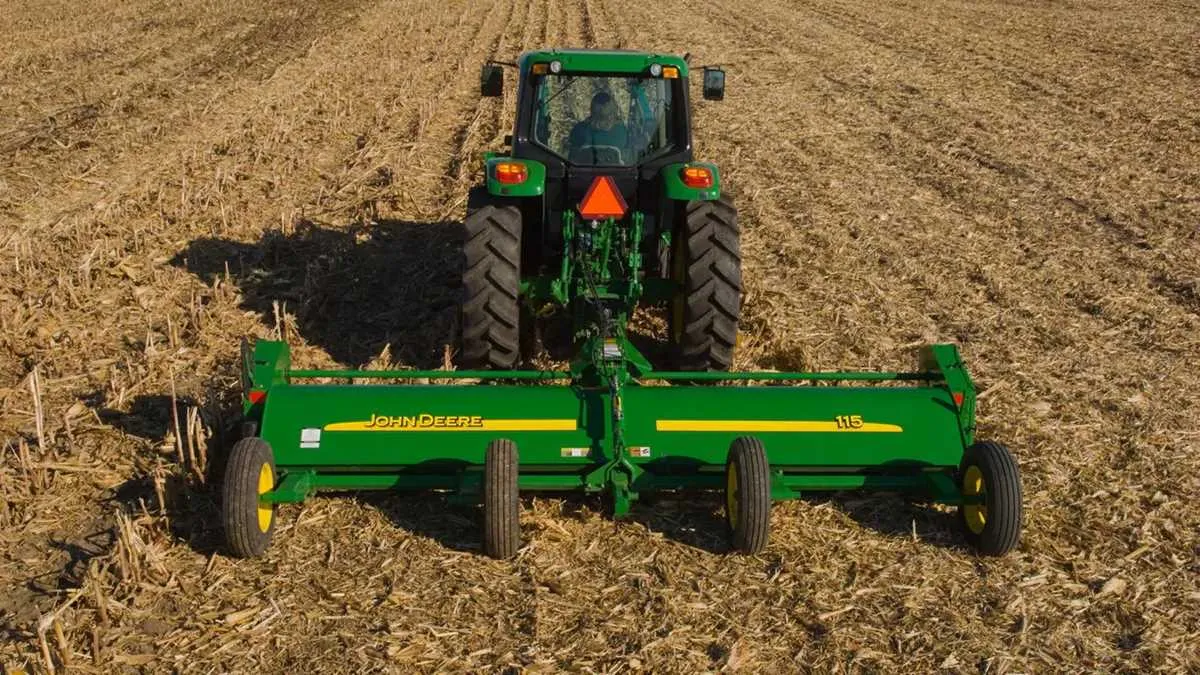
To maintain the John Deere 1890 in optimal condition, adhere to the following service intervals and maintenance tasks:
- Engine oil and filter should be changed every 250 hours of operation.
- Check and replace air filters every 500 hours to ensure proper engine breathing.
- Inspect and lubricate all moving parts, such as bearings and joints, every 100 hours to prevent wear.
- Hydraulic oil and filters must be replaced every 1000 hours for smooth operation of hydraulic systems.
- Grease all grease fittings on the machine at least once every 50 hours or before every seasonal use.
- Examine tire pressure regularly, especially after long field operations, to ensure proper load distribution and prevent premature wear.
- Check hydraulic hoses for wear and replace as needed, especially after 500 hours of operation or when visible damage occurs.
- Ensure proper tension in belts and adjust as necessary every 200 hours to prevent slippage and unnecessary strain on the system.
- Inspect seed and fertilizer systems every 100 hours to maintain planting accuracy and operational efficiency.
- Perform a full inspection of electrical components and wiring every 1000 hours to prevent malfunctions during critical periods of use.
These intervals may vary depending on specific conditions, such as usage intensity, so regular checks are recommended to ensure the longevity of the equipment.