John Deere 4020 Oil Specifications and Maintenance Guidelines
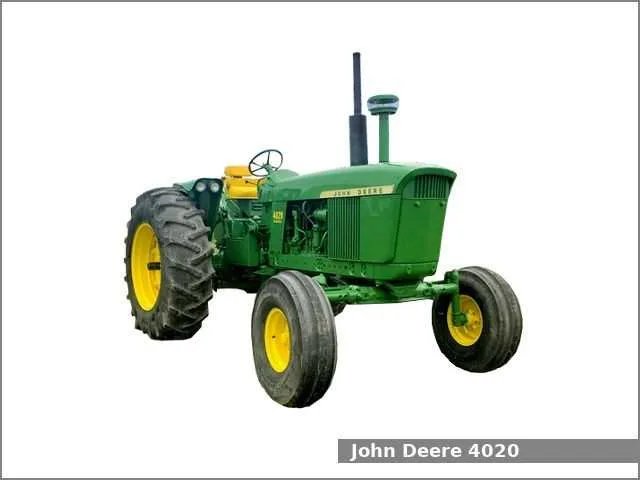
Using the correct oil for your John Deere 4020 tractor is critical for maintaining engine health and ensuring optimal performance. The recommended oil type is a high-quality, multi-grade engine oil, such as 15W-40, which provides excellent protection across a range of temperatures.
For the engine: Use a premium diesel engine oil that meets API (American Petroleum Institute) service classifications. Oils meeting CF-4 or better specifications are ideal. These oils help protect the engine under high load and temperature conditions, essential for a tractor’s long-term operation.
For the transmission: John Deere recommends using a transmission-hydraulic fluid that is specifically designed for their equipment. The oil capacity for the transmission is 5.5 gallons (21 liters), so be sure to keep the fluid levels at the proper mark for smooth shifting and reliable hydraulic system performance.
Changing the oil: Regular oil changes are recommended every 100 hours of operation or at least once a year, whichever comes first. Overdue oil changes can lead to excessive wear and potential engine damage. Always use the proper oil filter to ensure the cleanest oil possible.
John Deere 4020 Oil Specifications
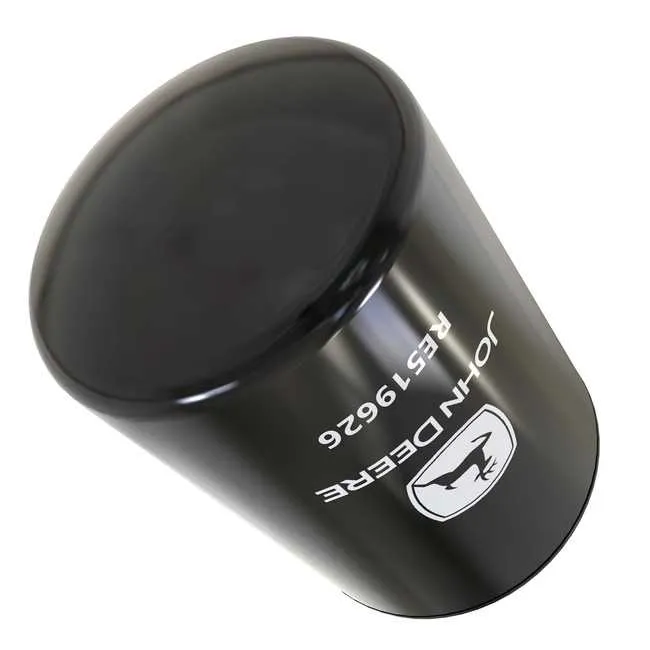
For the John Deere 4020, using the correct oil type is critical for optimal engine performance. The recommended oil for the engine is a high-quality 15W-40 multi-grade oil. This oil provides the right viscosity for varying temperatures, ensuring proper lubrication and reducing engine wear.
When choosing oil, it’s important to select one that meets the API (American Petroleum Institute) service classification of CF-4 or better. This ensures the oil is designed for use in high-performance diesel engines like the 4020’s.
For the hydraulic system, John Deere recommends using their branded hydraulic fluid or an equivalent. The oil should meet JD QL or J20C standards for compatibility and performance. Using the wrong fluid can result in inefficient operation and potential damage to the hydraulic components.
Oil change intervals for the John Deere 4020 should be based on the operating conditions. In general, it is recommended to change the oil every 100 hours of operation or annually, whichever comes first. If operating in heavy-duty conditions, more frequent oil changes may be necessary.
- Engine oil: 15W-40 multi-grade oil
- API service classification: CF-4 or higher
- Hydraulic fluid: JD QL or J20C standard
- Oil change interval: 100 hours or annually
Choosing the Right Engine Oil for John Deere 4020
For optimal performance of the John Deere 4020, it’s critical to select the right engine oil. The recommended oil type is a high-quality multi-grade oil that meets the viscosity requirements for both warm and cold conditions. A 15W-40 oil is ideal for most climates, providing adequate protection against wear and tear during both hot and cold starts.
Always ensure that the oil meets API (American Petroleum Institute) service classifications, such as API CJ-4, which indicates compatibility with modern engines and performance requirements. Choose oils specifically designed for diesel engines to prevent premature engine damage from contaminants. Using a synthetic blend can also enhance performance, particularly in extreme conditions.
Change the oil regularly to maintain engine health. The John Deere 4020 engine oil change interval typically ranges from 100 to 150 hours of operation, depending on usage and environmental factors. Consult the owner’s manual for more precise maintenance schedules specific to your operating conditions.
Oil Change Frequency and Maintenance Tips
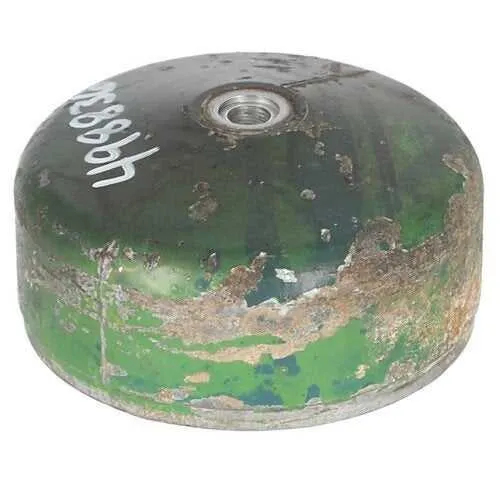
Change the engine oil of the John Deere 4020 every 100-150 hours of operation or at least once a year. This ensures optimal engine performance and prevents long-term damage.
Check the oil level regularly, especially before and after heavy use. Keep an eye out for oil contamination, such as metal shavings or a milky appearance, which may indicate internal engine issues.
Use high-quality oils that meet the specifications for the 4020 model. A 10W-30 or 15W-40 oil is recommended, depending on the climate and operating conditions.
Ensure the oil filter is replaced with every oil change to maintain proper filtration and avoid clogging. Regularly inspect the oil cooler for blockages or leaks to maintain consistent oil circulation.
Keep the engine clean and free of debris. This helps to prevent overheating and allows for efficient oil circulation throughout the engine.
Lastly, monitor the performance of the tractor after oil changes. If you notice any unusual engine sounds or decreased power, it may indicate an issue with the oil quality or circulation system.
Impact of Oil Quality on Engine Longevity
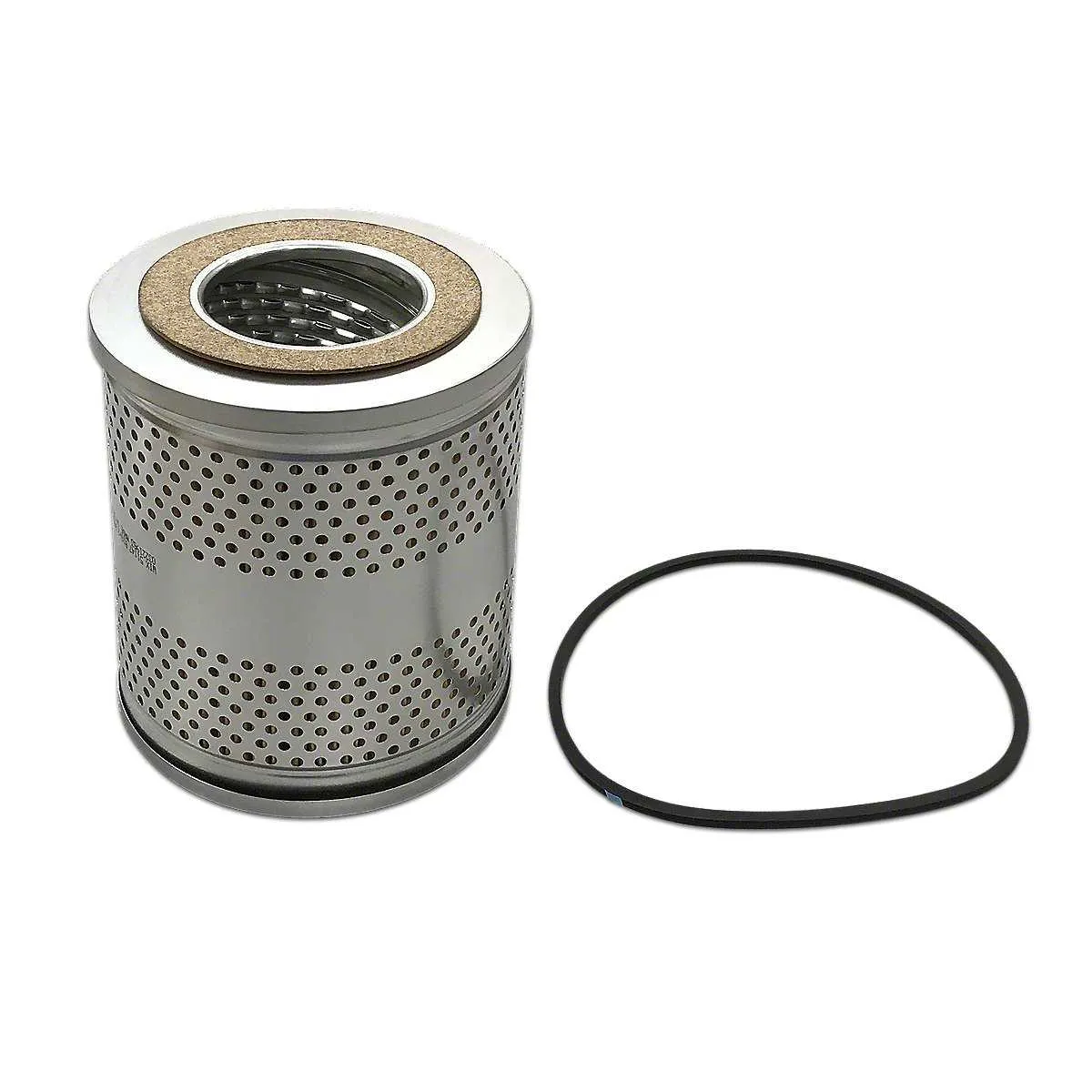
Using high-quality oil is a critical factor in extending the lifespan of the John Deere 4020 engine. Poor oil can lead to excessive engine wear, overheating, and sludge build-up, all of which contribute to premature failure. The viscosity and additive package in the oil play significant roles in ensuring proper lubrication and protection of vital engine components.
Regularly changing the oil, based on manufacturer recommendations, helps to maintain its effectiveness. Using the wrong oil type or ignoring oil changes can result in reduced efficiency and increased strain on the engine. Low-quality oils may lack essential additives like detergents and dispersants, which help keep the engine clean and reduce friction.
High-quality oil enhances heat transfer and reduces wear on components such as pistons, crankshafts, and valves. It also helps in preventing corrosion, which is crucial in maintaining the integrity of the engine over time. Synthetic oils, in particular, provide superior protection under extreme conditions and extend intervals between oil changes.
Choosing the right oil ensures smoother engine performance and can save money on repairs by preventing damage. The long-term cost savings of using premium oil far outweigh the initial investment, providing more reliable operation and reducing the frequency of maintenance work.