John Deere 285 Mower Specifications and Key Features Explained
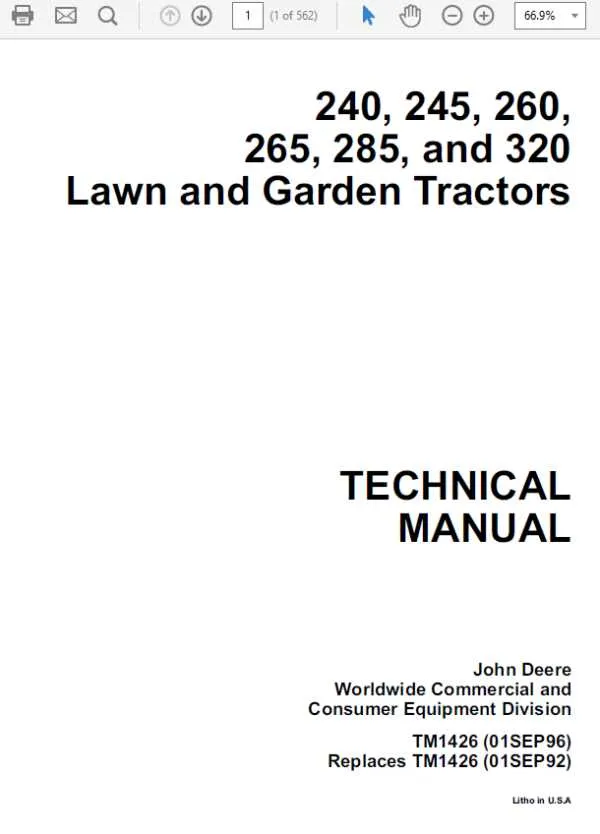
The John Deere 285 mower offers impressive performance and reliability for both residential and commercial users. With a 48-inch mower deck, it efficiently handles larger lawns, delivering a smooth cut with minimal effort. Its 18 horsepower engine ensures steady power throughout the mowing process, making it suitable for a range of terrain types.
Equipped with a hydrostatic transmission, the 285 allows for smooth speed adjustments without the need for shifting gears. This feature makes it easier to maneuver around obstacles and provides greater control on uneven ground. The sturdy construction and well-engineered design contribute to its longevity, ensuring that it remains a trusted tool in your yard care routine for years to come.
One of the key highlights of the John Deere 285 mower is its ergonomic seat and user-friendly controls, offering comfort during extended mowing sessions. The intuitive dashboard allows you to monitor essential functions like fuel levels and engine temperature, keeping you informed of the mower’s status at all times. If you’re looking for a reliable, durable, and easy-to-operate mower, the John Deere 285 will not disappoint.
Spec John Deere 285 Mower
The John Deere 285 Mower features a robust 18-horsepower engine, providing ample power for residential and light commercial tasks. It’s equipped with a 48-inch mower deck, which ensures efficient coverage for medium-sized lawns. The hydrostatic transmission allows for smooth speed adjustments, offering ease in both forward and reverse operations. The mower’s cutting height is adjustable, ranging from 1.5 to 4 inches, giving flexibility depending on the grass type and desired look.
Its fuel tank holds 3.3 gallons, allowing for extended use without frequent refueling. The large wheels in the rear enhance stability and traction, even on uneven terrains. The dual blade system delivers clean and precise cuts, while the ergonomic design of the seat and controls ensures comfort during prolonged use. The 285 model also includes a tight turning radius, making it ideal for maneuvering around obstacles.
For maintenance, the mower is designed for easy access to key components like the engine and transmission, allowing for quick service. The model also features a reliable electric start system, removing the need for manual effort. To ensure durability, the mower uses high-quality materials and a reinforced frame.
Understanding Engine Specifications and Power Output
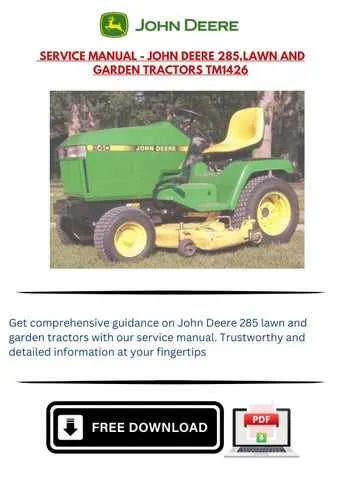
The John Deere 285 mower features a powerful engine designed for high performance and efficiency. With a 18-horsepower Kohler engine, this mower can handle demanding tasks with ease, providing smooth power for cutting through thick grass and rough terrain.
The engine’s displacement is 541cc, ensuring ample power to drive both the mower and other attachments. This power output is well-suited for residential and light commercial use, making the 285 an excellent choice for homeowners and landscapers alike.
In addition to horsepower, the engine operates at a top speed of 3200 RPM, which ensures consistent cutting performance even in tough conditions. It’s designed to handle large yards, with its engine delivering torque that supports the mower’s cutting deck and its ability to mulch and bag efficiently.
Regular maintenance, such as oil changes and air filter replacements, will help preserve engine efficiency and prevent power loss. Ensuring the engine runs at peak performance is key to maximizing the mower’s longevity and minimizing downtime.
Overall, the John Deere 285’s engine offers a balanced combination of power and reliability, making it a dependable option for a variety of mowing tasks.
Evaluating Maintenance Needs and Common Issues
Inspect the mower’s deck regularly to check for any buildup of grass clippings or debris. Cleaning the deck after every few uses prevents clogging and maintains cutting efficiency. Pay attention to the blade sharpness–dull blades reduce cutting performance and stress the engine. Replacing or sharpening blades annually or after heavy use is recommended.
Oil changes are key to keeping the engine running smoothly. Replace the oil after every 50 hours of use or at least once a year. Use the correct grade of oil as specified in the manual for optimal engine performance. Keep the air filter clean and replace it if it shows signs of dirt buildup or damage. This will help maintain proper air circulation, ensuring the engine runs smoothly.
The mower’s battery can drain over time. Ensure it is fully charged before each season, and check for corrosion on the terminals. A multimeter can help you test the battery voltage. If the mower starts sluggishly or won’t start at all, the battery might need replacing.
Check the tires regularly for proper inflation. Underinflated tires can cause uneven cutting and make maneuvering difficult. Adjust tire pressure according to the manufacturer’s recommendations for optimal performance on varying terrain.
Fuel lines and filters should be inspected yearly. Cracked or leaking fuel lines can cause fuel to leak out, which could lead to engine issues or potential safety hazards. Replace the fuel filter at least once a year to keep the engine running cleanly.
If the mower experiences difficulty starting, check for faulty spark plugs. Spark plugs should be replaced every 100 hours of operation or once a year to ensure a consistent start. If you notice excessive smoke or strange sounds while running, it might be due to engine misfiring or fuel issues.
Choosing the Right Attachments for Different Lawn Types
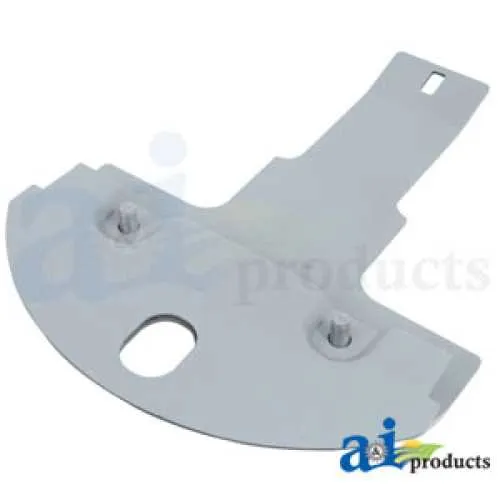
For lawns with thick grass or weeds, consider using a heavy-duty mowing deck attachment. These decks are designed to handle denser growth without clogging. A side discharge deck is ideal for dispersing clippings evenly, while a mulching deck helps enrich soil with finely chopped clippings, making it perfect for well-maintained lawns.
If your lawn features a mix of rough and smooth areas, a high-lift blade attachment works well. It provides more lift and can better handle uneven terrain by cutting tall grass with ease. For trimming edges and small patches, a grass catcher attachment can help keep the area tidy by collecting the clippings as you mow.
For larger yards or more open spaces, a tow-behind dethatcher attachment can remove dead grass and moss, helping air and nutrients reach the roots of the remaining grass. This is particularly beneficial for lawns that need aeration or are prone to thatch buildup.
For sloped terrains, use a reinforced deck with a lower center of gravity to prevent tipping and provide more stability. On uneven surfaces, a collection bag or chute may be less effective, so consider a mulching kit to ensure clippings are evenly distributed, avoiding clumps that could damage your lawn.
- Thick Grass or Weeds: Heavy-duty mowing deck with mulching option.
- Mixed Terrain: High-lift blades and grass catcher for tidy results.
- Larger Yards: Tow-behind dethatcher for soil health improvement.
- Sloped Terrain: Reinforced deck with mulching kit for stability.